

Key Takeaways
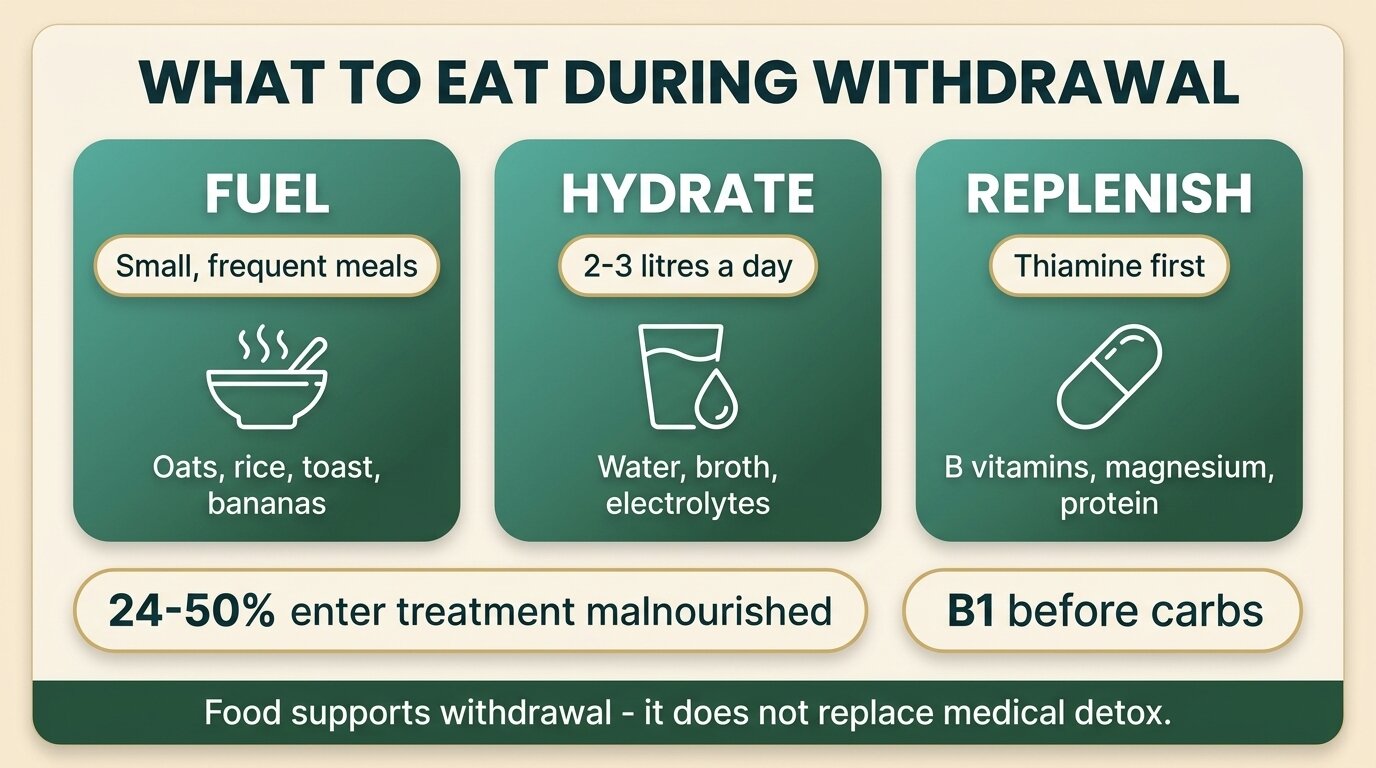
- Withdrawal is not the time to diet or fast. The goal is steady fuel, replacing lost fluids, and rebuilding the vitamins alcohol and drugs strip out — not weight loss.
- Start with small, frequent meals: bland carbohydrates, easy protein, and plenty of fluids with electrolytes. A big rich meal on a wrecked stomach usually comes straight back up.
- Thiamine (vitamin B1) matters more than any food during alcohol withdrawal. Getting a carbohydrate load without it can trigger a serious brain injury (Wernicke’s), so supplementation should come first.
- Malnutrition affects 24–50% of people entering treatment for a substance problem — deficiencies in B vitamins, vitamin D, iron and magnesium are common (García-Estrada, Healthcare, 2025).
- Food supports withdrawal; it does not make it safe. Heavy alcohol, benzodiazepine or opioid withdrawal needs medical oversight, and a good diet is only one part of that.
During drug and alcohol withdrawal, eat small, frequent meals built around gentle carbohydrates, easy-to-digest protein, and fluids with electrolytes — and take thiamine before loading up on carbs. Withdrawal burns through fluids and nutrients while your appetite and digestion are at their worst, and around 24–50% of people entering treatment are already malnourished (García-Estrada, Healthcare, 2025). This is an explainer on what to eat and why — not a substitute for medical care, which heavy withdrawal always needs.
Why Does Nutrition Matter So Much During Withdrawal?
Withdrawal matters nutritionally because long-term substance use quietly starves the body: alcohol and drugs suppress appetite, damage the gut’s ability to absorb nutrients, and get prioritised over food. By the time someone stops, they are often low on B vitamins, vitamin D, iron and magnesium — the exact nutrients the nervous system needs to recover.
Alcohol is the clearest example. It displaces food, irritates the stomach, and blocks the gut from absorbing thiamine, folate and vitamin B12. The most common deficiencies in heavy drinkers are the B vitamins, and running low on them contributes to anaemia, low mood, anxiety and nerve problems (García-Estrada, Healthcare, 2025). Stimulant and opioid use follow a similar pattern — appetite crashes, meals get skipped, and what does get eaten tends to be quick, cheap and sugary.
So the food you eat in early withdrawal is doing two jobs at once: steadying blood sugar and hydration through a physically rough few days, and beginning to refill reserves that have been empty for a long time. Getting this right won’t remove the discomfort, but going without makes almost every symptom worse. This is why nutrition is built into the detox stage of treatment rather than left to chance.
What Should You Actually Eat in the First Few Days?
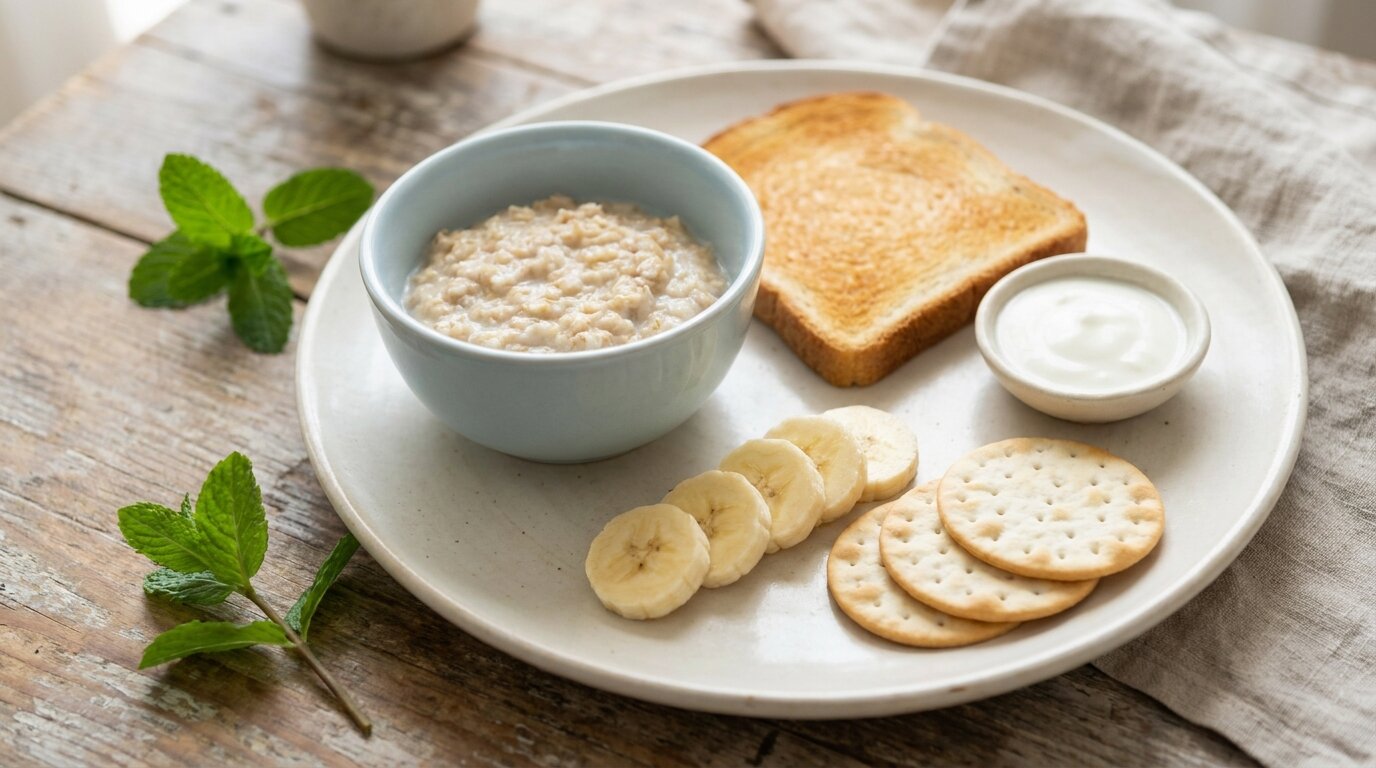
In the first few days, eat small, frequent, bland meals rather than three big ones: think toast, oatmeal, rice, bananas, crackers, soups and broths, with easy protein like eggs, yoghurt or chicken added as your stomach settles. Nausea, a shrunken appetite and a sensitive gut mean gentle, steady fuel is tolerated far better than a large, rich plate.
The practical priority is keeping something in your system every couple of hours so blood sugar doesn’t swing. Complex carbohydrates — oats, wholegrain bread, rice, potatoes — release energy slowly and settle the stomach. Once nausea eases, protein becomes important for repair: eggs, Greek yoghurt, fish, chicken, beans and lentils. Fruit and vegetables bring back the vitamins and fibre that months of poor eating stripped away.
| Goal | Reach for | Go easy on |
|---|---|---|
| Steady energy | Oats, rice, wholegrain toast, bananas, potatoes | Sweets, sugary drinks, energy drinks |
| Repair & mood | Eggs, yoghurt, fish, chicken, beans, lentils | Fried and very fatty food (hard to digest) |
| Vitamins & fibre | Leafy greens, berries, citrus, colourful veg | Processed snacks with little nutrition |
| Hydration | Water, broths, oral rehydration drinks, herbal tea | Caffeine, alcohol, high-sugar sodas |
Caffeine deserves a note. It’s tempting when you feel wiped out, but during withdrawal it can worsen anxiety, disrupt already-broken sleep, and dehydrate you further — the opposite of what you need. Cut it back rather than leaning on it.
How Important Is Hydration and Electrolytes?
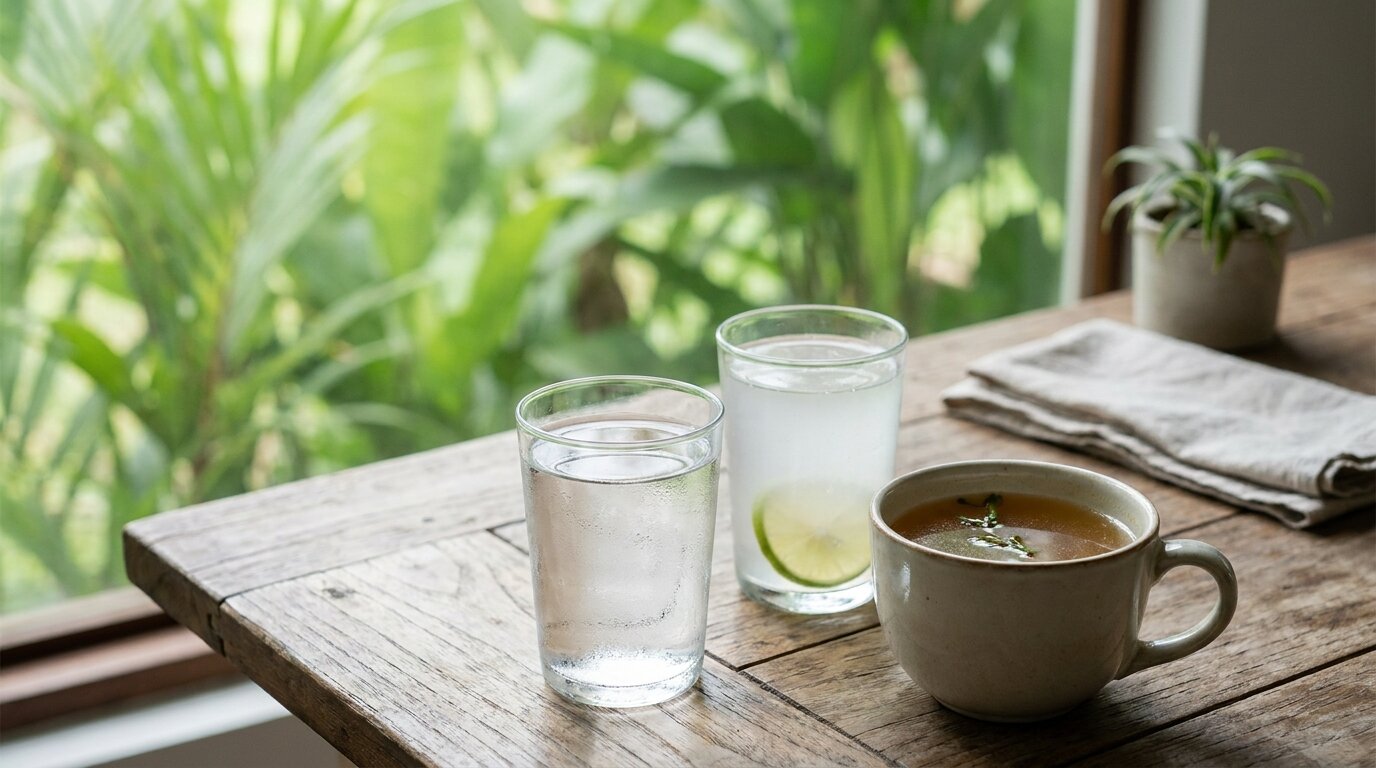
Hydration is critical, especially with opioid or stimulant withdrawal, because vomiting, diarrhoea and heavy sweating drain fluids and electrolytes fast. The World Health Organization advises drinking at least 2–3 litres of fluid a day during withdrawal, ideally including drinks that replace salts, not just plain water (WHO, 2009).
Opioid withdrawal in particular causes nausea, vomiting and diarrhoea that can quickly lead to dehydration and loss of sodium and potassium (MedlinePlus, 2024). Plain water helps, but when you’re losing a lot of fluid you also need electrolytes — oral rehydration solutions, broths, coconut water or diluted sports drinks all work. If even small sips won’t stay down, that’s a sign you need medical help rather than another glass of water.
Why Is Thiamine the Most Important Nutrient in Alcohol Withdrawal?
Thiamine (vitamin B1) is the single most important nutrient in alcohol withdrawal because heavy drinking depletes it, and a thiamine-deficient brain suddenly given carbohydrates can develop Wernicke’s encephalopathy — a serious, sometimes permanent brain injury. This is why thiamine should be given before or alongside any carbohydrate load, not after (StatPearls, 2026).
This is the one place where the order of things genuinely matters. If someone who has been drinking heavily eats a big carbohydrate meal or is given sugary IV fluids without thiamine first, the carbohydrate can burn through what little B1 is left and tip them into confusion, unsteadiness and vision problems. The WHO recommends at least 100mg of thiamine daily during alcohol withdrawal for exactly this reason (WHO, 2009).
Practically, this means thiamine and a B-vitamin supplement come first, and are not something you can eat your way out of with food alone. It also means unsupervised alcohol withdrawal is risky: the person most in need of thiamine is often the least likely to know they need it. Medical oversight during alcohol treatment exists in part to get this sequence right.
People arrive expecting the shakes and the sweats, but they’re often surprised how much steadier they feel once we correct thiamine and get regular food and fluids into them. Diet doesn’t replace medication or monitoring — but a malnourished, dehydrated body handles withdrawal far worse than a nourished one, and that difference is visible within days.
Dr. Worapakthorn KongpesalaphunConsultant Psychiatrist, One Step Rehab
Worried about detoxing safely? Talk to our team — we’ll give you a straight answer about what your situation actually needs.
Do You Need Supplements, or Is Food Enough?
In early withdrawal you usually need both: food to rebuild reserves gradually, and targeted supplements to correct deficiencies faster than diet alone can. Thiamine, a B-complex, and often magnesium are standard during alcohol withdrawal, while broader deficiencies in vitamin D, iron and folate are corrected over the following weeks (García-Estrada, Healthcare, 2025).
Food alone is too slow when someone is acutely deficient and barely eating — you can’t out-eat a serious thiamine gap in 48 hours. But supplements don’t replace real meals either. A systematic review of dietary programmes in addiction treatment found that structured nutrition support led to measurable improvements, such as eating less fast food and sugar and more fruit and vegetables (Whatnall et al., J Hum Nutr Diet, 2021). The lasting change is in the eating habits, not the pills.
What you should not do is self-prescribe high-dose supplements at random. Some interact with withdrawal medications, and dosing depends on how deficient you actually are. This is decided by the doctor overseeing the detox, which is one reason nutraceutical support is handled as part of a supervised programme rather than guesswork.

How Does One Step Handle Nutrition During Detox?
At One Step, nutrition is part of the medical detox rather than an afterthought: our visiting psychiatrist assesses each client on intake, we start thiamine and appropriate supplements early, and the kitchen provides regular meals built around what a recovering body can actually digest. It’s practical, not a wellness gimmick — steady food, steady fluids, corrected deficiencies.
Our programme runs a structured daily routine with set meal times, which matters more than it sounds: regular eating steadies blood sugar and rebuilds an appetite that substance use flattened. The residential fee is roughly ฿280,000/month (about $8,500 USD) and covers accommodation, meals, therapy and your intake assessment. Medication and any prescribed supplements are billed separately — you pay for what the doctor actually prescribes — the same way flights and visas sit outside the programme fee. You can see the full breakdown on our pricing page, and the daily structure on our treatment schedule.
We handle most detoxes on-site. For those with severe withdrawal — heavy alcohol, benzodiazepine or opioid dependence needing close medical monitoring — we may detox you first at our partner hospital, which has intensive and intermediary intensive care units, before you transfer to One Step for the rehab programme. Once the acute stage passes, good nutrition keeps working: it supports the brain chemistry involved in mood and cravings, which is why we treat it as part of relapse prevention and aftercare, not just detox. If you want to go deeper on this, our guide to the dopamine diet for addiction recovery covers the longer game.
Structured nutrition also pairs with the rest of the programme. Physical activity and time outdoors help rebuild appetite and sleep — our activities and excursions exist partly for that reason — and if you’re still weighing residential versus at-home options, our comparison of inpatient versus outpatient rehab is a useful next read.
Frequently Asked Questions
Common questions about eating and drinking during drug and alcohol withdrawal.
Start with bland, easy-to-digest foods: oatmeal, toast, rice, bananas, crackers, soups and broths. As nausea eases, add protein such as eggs, yoghurt, fish or chicken, plus fruit and vegetables. Small, frequent meals are tolerated far better than large ones on an unsettled stomach.
Heavy drinking depletes thiamine (vitamin B1), and a deficient brain given carbohydrates can develop Wernicke’s encephalopathy, a serious brain injury. Because of this, thiamine should be given before or alongside carbohydrates, not after. It is best managed by a doctor supervising the detox rather than through food alone.
The World Health Organization suggests at least 2–3 litres of fluid a day during withdrawal, more if you are vomiting, sweating heavily or have diarrhoea. Include drinks that replace electrolytes, such as broths or oral rehydration solutions, not just plain water. If you can’t keep fluids down, seek medical help.
Usually yes, but under medical guidance. Thiamine, a B-complex and often magnesium are standard in alcohol withdrawal, and deficiencies in vitamin D, iron and folate are common. Don’t self-prescribe high doses — some supplements interact with withdrawal medications, and correct dosing depends on how deficient you actually are.
No. Withdrawal is a time to refuel, not restrict. Fasting or dieting worsens low blood sugar, fatigue and mood swings when your body is already under strain and often malnourished. Weight and diet goals can wait until you are stable and eating normally again.
No. Nutrition supports withdrawal but does not make it safe. Heavy alcohol, benzodiazepine or opioid withdrawal can be dangerous and needs medical oversight, sometimes including medication and hospital-level monitoring. Think of food and fluids as one part of a supervised detox, not a substitute for it.
Written by
Worapakthorn Kongpesalaphun, MD., Ph.D.
Dr. Worapakthorn Kongpesalaphun is a Thai Licensed Medical Doctor and Expert in Preventive Medicine (Community Mental Health) with extensive experience in addiction treatment and public health management. He holds multip...
Learn more about Worapakthorn