Key Takeaways
- “Alternative” doesn’t mean alternative to treatment. At One Step in Chiang Mai, mindfulness, exercise, nutrition, and outdoor therapy wrap around evidence-based CBT, DBT, EMDR, and motivational interviewing — they don’t replace them.
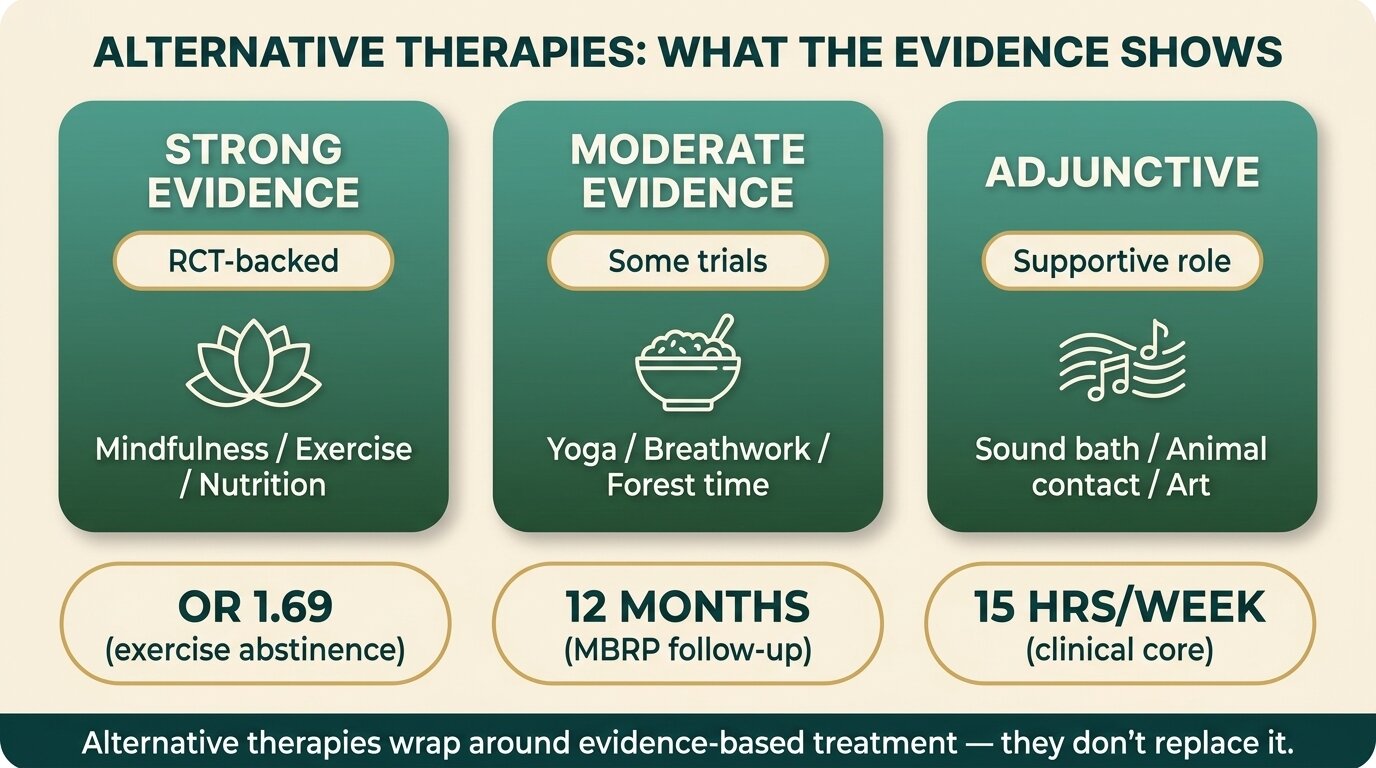
- Three of the modalities we use have strong randomised-trial evidence in addiction: mindfulness-based relapse prevention (Bowen et al., JAMA Psychiatry, 2014), structured exercise (Wang et al., PLoS One, 2014), and nutrition support. We deliver these every week.
- Others — sound bath, animal contact, forest time — are adjunctive. They help with stress, sleep, and engagement. We use them because clients use them, not because a meta-analysis says they cure addiction.
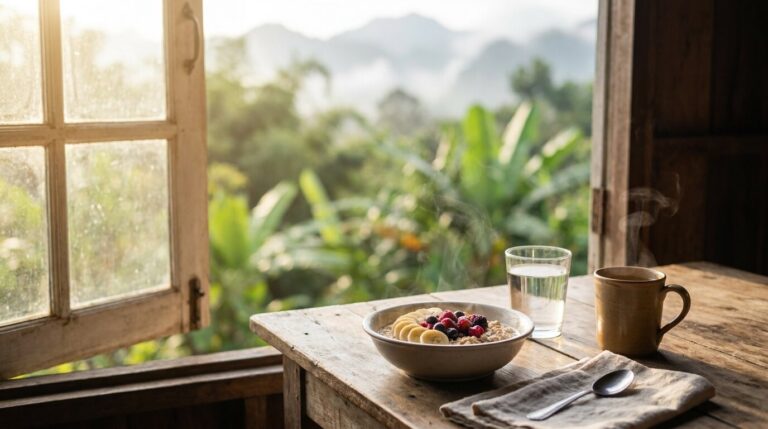
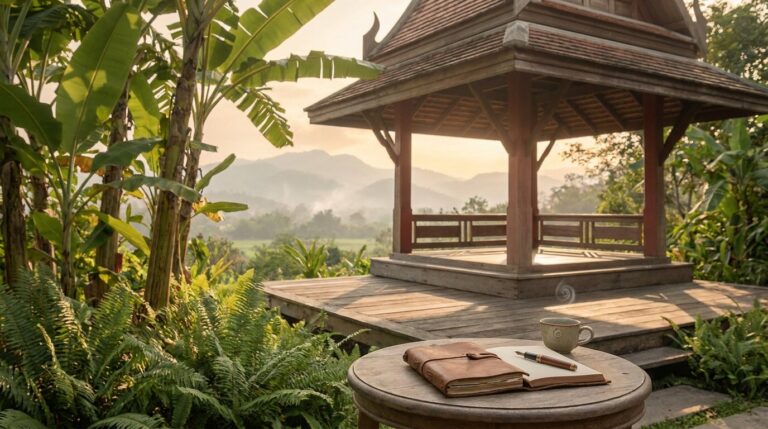
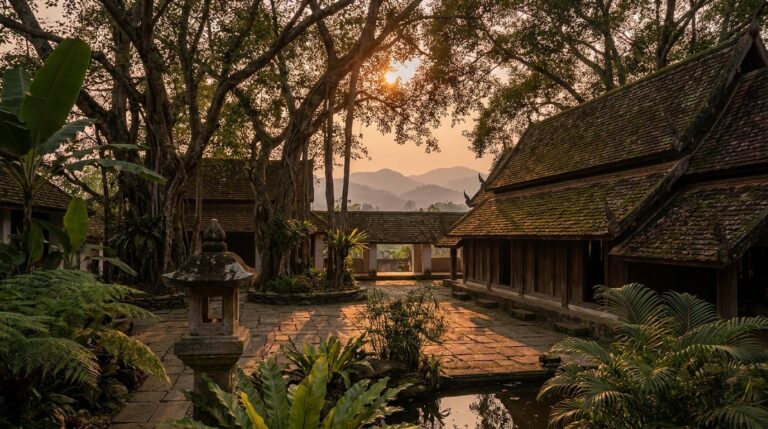
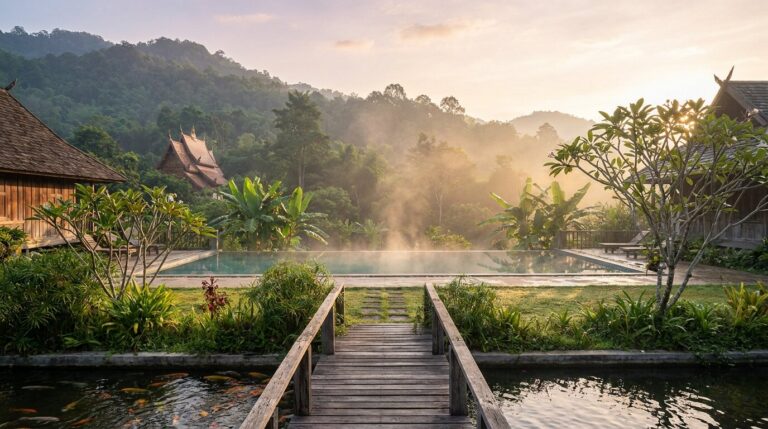
- The Chiang Mai setting itself is part of the work: forest walks, mountain hikes, occasional Buddhist temple visits with monks, on-site fitness, and chef-prepared Thai food are built into the weekly schedule, not optional extras.
- Programme fee is ~฿280,000/month (~$8,500 USD) and covers the activities and meals listed below. Medication, additional spa or massage sessions, and personal items are billed separately — see our pricing page for the exact exclusion list.
Alternative therapies at One Step Chiang Mai are the wraparound to evidence-based clinical work, not a substitute for it. Our core treatment is CBT, DBT, EMDR, and motivational interviewing delivered by counsellors and psychologists. Around that core we use mindfulness meditation (occasionally led by Buddhist monks), structured exercise, forest and mountain time, nutrition planning with chef-prepared meals, art and journaling, and adjunctive practices like sound bath and breathwork. Three of these — mindfulness, exercise, and nutrition — have randomised-trial evidence in addiction recovery (Bowen et al., JAMA Psychiatry, 2014; Wang et al., PLoS One, 2014). The others earn their place because they help clients engage, sleep, and regulate stress while the clinical work is doing the heavy lifting.
What Counts as an Alternative Therapy in Addiction Treatment?
An alternative therapy is any non-pharmacological, non-talk-therapy practice used to support recovery — mindfulness, exercise, nutrition, yoga, art, music, animal contact, time in nature. The honest framing is that “alternative” means alternative to purely talk-based treatment, not alternative to treatment itself. Used correctly, they sit alongside CBT, DBT, EMDR, and counselling. Used as replacements, they fail.
The category gets a bad name because some facilities sell “holistic” as a euphemism for “we don’t do real therapy.” That’s not what we mean. At One Step, the alternative modalities are scheduled around the clinical core, not in place of it. A typical week includes about 15 hours of clinical group and individual therapy, plus another 10-12 hours of the activities described below.
Which Alternative Therapies Have Strong Evidence?
Three modalities have randomised controlled trial evidence specifically in substance use disorders: mindfulness-based interventions, structured aerobic exercise, and nutrition support. The rest are adjunctive — useful for stress, sleep, and treatment engagement, but without the same level of outcome data. The NCCIH’s 2024 evidence review on complementary approaches to substance use is the most up-to-date summary (NCCIH, 2024).
| Modality | Evidence Tier | What the research shows |
|---|---|---|
| Mindfulness-based relapse prevention | Strong (RCT) | 286-participant trial found fewer drug-use days and less heavy drinking at 12 months versus standard relapse prevention (Bowen et al., 2014). |
| Structured aerobic exercise | Strong (meta-analysis) | 22-study meta-analysis: exercise raised abstinence rates (OR 1.69) and reduced withdrawal, anxiety, and depression (Wang et al., 2014). |
| Nutrition and meal planning | Moderate | Nutritional rehabilitation is part of NIDA’s comprehensive-care recommendations; deficiencies in B vitamins, magnesium, and protein are common after heavy use. |
| Yoga and breathwork | Moderate | NCCIH cites improved smoking-cessation outcomes; small RCTs show reductions in craving and anxiety. |
| Forest time / outdoor therapy | Adjunctive | Meta-analysis of forest bathing found significant cortisol reductions (Antonelli et al., 2019) — relevant for stress, not a direct addiction treatment. |
| Art and journaling | Adjunctive | Limited RCT data in SUD; clinical use is widespread as a route into difficult material clients can’t yet say out loud. |
| Sound bath / animal contact | Adjunctive | No strong addiction-specific evidence. We use them when they help a client engage and relax. We don’t claim they treat addiction. |
How Does Mindfulness Meditation Help in Addiction Recovery?
Mindfulness meditation helps in addiction recovery by training the gap between a craving and the action it triggers. The Bowen et al. RCT randomised 286 people in aftercare to mindfulness-based relapse prevention (MBRP), standard relapse prevention, or treatment as usual. At 12 months, MBRP participants reported significantly fewer drug-use days and less heavy drinking than the other groups (Bowen et al., JAMA Psychiatry, 2014).
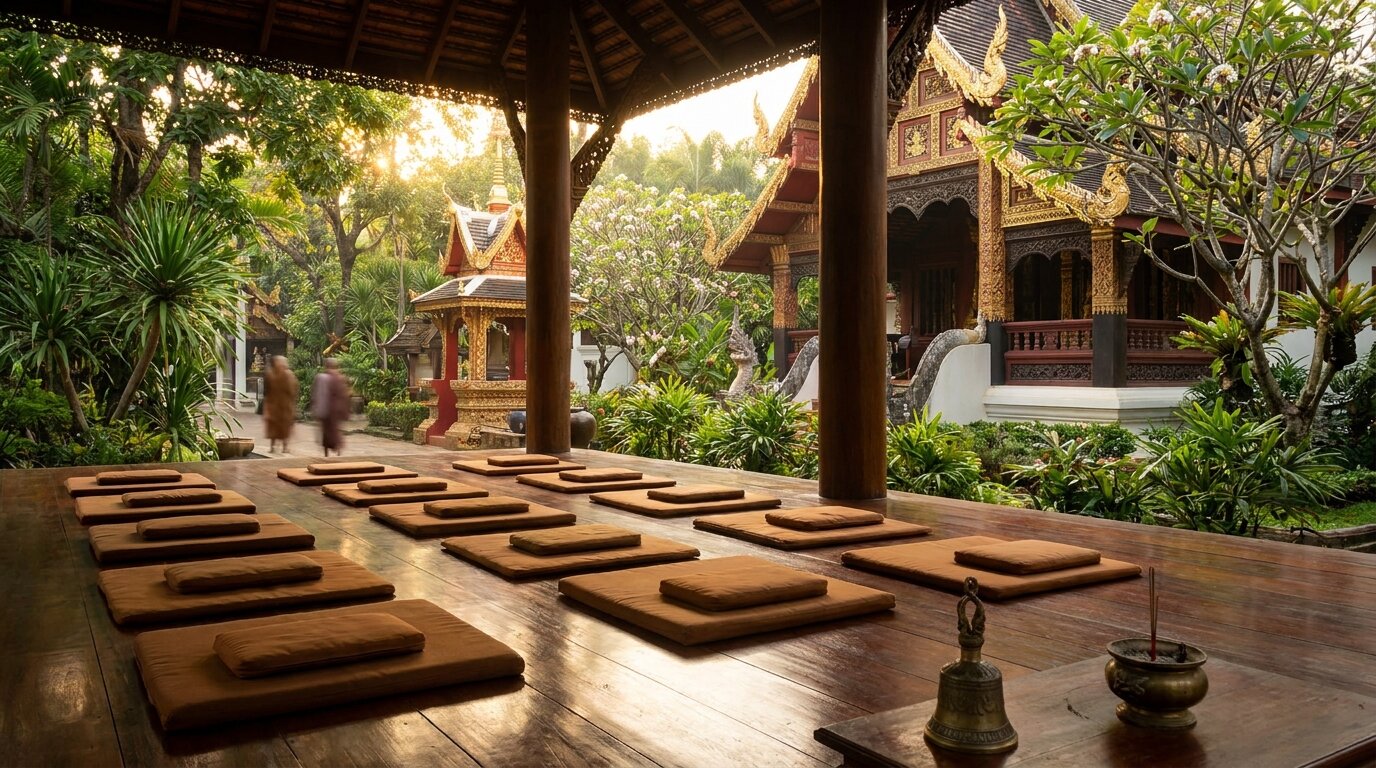
At One Step we run guided sitting meditation every morning before breakfast and a longer mindfulness group later in the week. The technique is straightforward: notice the craving, notice the body, don’t act on the first impulse. That’s it. It’s not religious, but Chiang Mai is a Buddhist city — about a thousand temples in the province — and some clients ask to attend an early-morning sitting with monks. We arrange that when it’s wanted. We don’t insist on it.
A newer line of research, mindfulness-oriented recovery enhancement (MORE), has shown benefit for people on methadone with chronic pain (Cooperman et al., JAMA Psychiatry, 2024). We don’t run MORE as a manualised protocol — it’s a US-based programme — but the principles overlap with how our counsellors use mindfulness in CBT and DBT sessions.
What Role Does Exercise and Movement Play?
Structured exercise raises abstinence rates, reduces withdrawal severity, and lowers anxiety and depression scores in people with substance use disorders. A 2014 meta-analysis of 22 RCTs found exercise increased the odds of abstinence by 69% versus controls (OR 1.69, 95% CI 1.44-1.99), with moderate-to-high intensity aerobic work showing the largest effects (Wang et al., PLoS One, 2014).
Our facility sits at the edge of Chiang Mai’s mountains, which gives us options most rehabs don’t have. The on-site fitness setup is basic but functional: weights, cardio equipment, an open mat area. Most weeks we run two guided hikes — usually Doi Suthep or the trails near our partner farms — and several gym or movement sessions. New clients in the first week often do less and walk more; by week two or three, most are pushing harder by choice.
Movement isn’t optional in the schedule, but the intensity is. A 58-year-old in opioid recovery doesn’t lift like a 28-year-old after cocaine. Counsellors and the fitness coach scale to the person.

Is There Evidence for Outdoor and Nature-Based Therapy?
Outdoor and nature-based therapy has the strongest evidence as a stress-reduction tool rather than a direct addiction treatment. A 2019 systematic review and meta-analysis of forest bathing (shinrin-yoku) found significantly lower cortisol levels in forest groups versus urban controls (Antonelli et al., International Journal of Biometeorology, 2019). Lower stress reactivity matters in recovery because stress is one of the most consistent relapse triggers.
We use Chiang Mai’s geography deliberately. Doi Suthep, Doi Inthanon, the elephant sanctuaries, the Mae Sa valley — all are within an hour. Our outdoor therapy programme includes hiking, river time, and structured group walks. The point isn’t the scenery; the point is that movement plus nature plus group conversation gets at material that doesn’t always come out in a therapy room.
Our activities and excursions page lists the weekly options. Most weeks include at least two outdoor sessions outside the facility.
The clients who get the most out of the alternative side of the programme aren’t the ones who arrive looking for it. They’re the ones who showed up sceptical, sat through a meditation group because it was on the schedule, and three weeks later told me they were sleeping for the first time in years. That’s the pattern. The clinical work does the heavy lifting; the alternative work makes the clinical work stick.
David KaffSenior Therapist, One Step Rehab
Wondering if our blend of clinical and alternative therapies fits what you need? Talk to our team — we’ll tell you honestly whether we’re the right place for you.

Why Is Nutrition Planning Part of the Programme?
Chronic substance use leaves predictable nutritional gaps. Heavy drinking depletes B vitamins, thiamine, magnesium, and folate. Stimulant use suppresses appetite and disrupts protein intake. Opioid use slows the gut and disrupts micronutrient absorption. Replacing what’s missing helps mood, sleep, and concentration — all of which affect whether a person engages in therapy or drifts out of it.
Our kitchen team prepares three meals a day, mostly Thai with European options, built around protein, vegetables, and slow carbohydrates. A registered dietitian reviews intake during the first week and flags anything that needs attention. We don’t run extreme protocols — no juice cleanses, no fasting plans. We’ve covered the science in more depth in our dopamine diet for recovery post.
What About Sound Baths, Animal Contact, and Other Adjunctive Practices?
Adjunctive practices — sound bath, breathwork, occasional animal contact at nearby sanctuaries, art therapy, journaling — don’t have the same research base as mindfulness or exercise. We use them because they help clients regulate stress, engage in groups they’d otherwise resist, and access feelings they can’t yet put into words. We don’t claim they treat addiction. They support the work that does.
Sound bath and breathwork sessions are scheduled roughly weekly, depending on therapist availability. Animal contact isn’t a daily fixture — it’s an occasional outing to local elephant or dog sanctuaries when a group asks for it. Art and journaling are integrated into therapy groups, particularly for trauma work where talking is too direct.
What Does the Full Programme Look Like at One Step?
At One Step Chiang Mai, the weekly programme combines around 15 hours of clinical therapy with 10-12 hours of structured alternative therapies, plus daily meditation and meals together. Most stays are 28-60 days. The fee is approximately ฿280,000/month (~$8,500 USD).
A representative week:
- Morning: 06:30 wake, guided meditation, breakfast.
- Late morning: Group therapy (CBT, DBT, motivational interviewing, or relapse prevention focus) — this is the clinical core.
- Afternoon: Rotates between gym, hike, outdoor therapy, art/journaling, or individual counselling. Two afternoons per week are off-site activities (Doi Suthep, sanctuaries, river).
- Evening: Shared dinner, optional meditation, free time, lights out by 22:00.
You can see the full schedule on our treatment schedule page, and the overall programme structure under our programme. For a broader view of how the wellness side fits with the clinical work, our holistic and wellness rehab in Chiang Mai post covers the philosophy in more depth, and our luxury rehab in Chiang Mai post explains why we’re mid-range rather than five-star.
What’s included in the fee: accommodation, all meals, scheduled therapy and group sessions, scheduled fitness and outdoor activities, on-site mindfulness sessions, and standard transport for programme excursions.
What’s not included: medication (you pay separately for what the doctor prescribes), additional massage, yoga, or spa sessions beyond the scheduled ones, supplements, flights, visas, and personal items. The pricing page has the full exclusion list.
Should You Be Sceptical of Rehabs That Lead with Alternative Therapies?
Yes — be sceptical of any facility that markets alternative therapies as the main treatment rather than the wraparound. NIDA’s principles of effective addiction treatment emphasise behavioural therapies (CBT, contingency management, motivational interviewing) and, where appropriate, medication as the evidence-based core (NIDA, Principles of Drug Addiction Treatment, 2018). A place that offers mostly yoga, ice baths, and energy work — without daily CBT or DBT — is selling wellness, not treatment.
The honest questions to ask any rehab:
- How many hours per week are clinical (CBT, DBT, EMDR, MI, individual counselling)?
- Who delivers them — counsellors, psychologists, psychiatrists, or fitness coaches and yoga teachers?
- If you took away the alternative therapies, would there still be a real treatment programme underneath?
At One Step the answers are: about 15 clinical hours per week; a team of counsellors and a clinical psychologist with psychiatric oversight from Dr. Worapakthorn; and yes — the alternative side enhances the programme but doesn’t define it. We’ve written more about the clinical core in our CBT and DBT for addiction post.
Frequently Asked Questions
Common questions about alternative therapies at One Step Chiang Mai.
Three do, with randomised-trial evidence: mindfulness-based relapse prevention, structured aerobic exercise, and nutrition support. Others — yoga, breathwork, sound bath, animal contact — help with stress, sleep, and engagement but aren’t a treatment on their own. The clinical work (CBT, DBT, EMDR, MI) is still what does the heavy lifting.
No. Our scheduled mindfulness sessions are secular — breath, body awareness, urge-surfing, and grounding techniques. Chiang Mai does have a strong Buddhist tradition, and we can arrange a temple visit or an early sitting with monks for clients who want that. It’s offered, not required.
Roughly 6-8 hours across the week, depending on the rotation: two guided hikes, several gym or movement sessions, and daily morning walks. Intensity is scaled to the individual — new arrivals and older clients do less, and pushing hard is by choice once you’re settled into the programme.
Occasionally, not routinely. We’re an hour from ethical elephant sanctuaries and there are dog rescues nearby. When a group asks for it, we arrange a visit. It’s an excursion, not a structured “equine therapy” claim — we don’t have horses on site and we don’t make outcome claims for animal contact.
The terms get used loosely. We use “alternative therapy” for specific practices (mindfulness, exercise, nutrition, yoga, art), and “holistic” for the broader idea that recovery touches mind, body, relationships, and meaning. Either way the clinical core is the same: CBT, DBT, EMDR, motivational interviewing, and counselling delivered by trained staff.
Some people maintain recovery with regular meditation, exercise, and a strong support network. For active substance dependence — especially with daily use, withdrawal risk, or repeated relapse — those practices on their own are usually not enough. They’re powerful as part of a structured programme and as aftercare, less reliable as a stand-alone treatment.
The scheduled sessions that are part of the programme are included. Additional massage, yoga, or spa sessions you book on top of the schedule are billed separately, as are medication, supplements, flights, and personal items. Our pricing page has the exact list of what’s included and what isn’t.
Written by
David Kaff
David Kaff is an Addictions Counselor with over a decade of experience working in both harm reduction and residential treatment settings in Australia and Thailand. He has worked across frontline services, 12-step based r...
Learn more about David
Medically reviewed by
Dr. Worapakthorn Kongpesalaphun
Consultant Psychiatrist · Thai Licensed Medical Doctor · Residency in Psychiatry, Somdet Chaopraya Institute · Doctor of Medicine, Rangsit University
Dr. Worapakthorn Kongpesalaphun is a Thai Licensed Medical Doctor and Expert in Preventive Medicine (Community Mental Health) with extensive experience in addiction treatment and public health management. He holds multip...
Learn more about Dr. Worapakthorn