


Taking the step to enter inpatient alcohol rehab can feel daunting, especially if you are unsure what the process involves. While some clients have been to a rehab before, many have not, and this will be their first time.
At One Step Rehab in Chiang Mai, Thailand, we know how anxiety-provoking going to rehab can be, and that understanding what to expect is essential for easing that anxiety and building confidence that you’ve made the right decision. This guide will walk you through the essentials of inpatient alcohol treatment, including getting here, admission, daily routines, therapeutic approaches, and the aftercare, which is necessary to keep you sober when you go home.
Brief Overview
Taking the step into an inpatient alcohol rehab program at One Step Rehab in Chiang Mai means entering a supportive, structured environment where you will hopefully end up feeling like a member of the family.
Our holistic, evidence-based treatments foster genuine recovery. Clients benefit not just from medically supervised detox, something which is difficult to do at home, but also personalized care plans and a daily blend of therapeutic and wellness activities, all enhanced by the calming influence of Thai hospitality and local mindfulness traditions.
Detox gets you sobriety, and it is very necessary when you are physically dependent on alcohol. But any comprehensive alcohol rehab program should have plenty of ongoing psychological treatment (e.g., counselling and group work) because this is what gets you long-term recovery.
Being at rehab is actually the easy bit. It’s when you get home that the real work begins. Comprehensive aftercare planning is therefore essential because it ensures long-term success, equipping you with the practical tools you will need as well as ongoing support.
Key Highlights
- One Step Rehab offers personalized, evidence-based inpatient alcohol treatment in Chiang Mai, combining Western psychological care with Thai hospitality.
- Admissions processes are seamless, friendly, and confidential. We cater to both local and international clients. But most of our clients come from the UK, the US, and Australia.
- Medically supervised detox is safe, comfortable, and forms a strong foundation for your long-term recovery from alcohol addiction.
- Daily life features the structured routines of group and one-to-one therapy, fitness, and mindfulness, adding holistic healing to your journey.
- Cultural immersion into the Thai lifestyle within the real Thai community where we are situated. This will give you a brand-new life experience, which you will hopefully remember for the rest of your life.
- Robust aftercare planning is what we are known for. Our aftercare package is for 12 months. This is unique in the industry and equips our clients with practical tools for sustainable sobriety and lifelong wellness when they get home.
Understanding What to Expect from Inpatient Alcohol Rehab
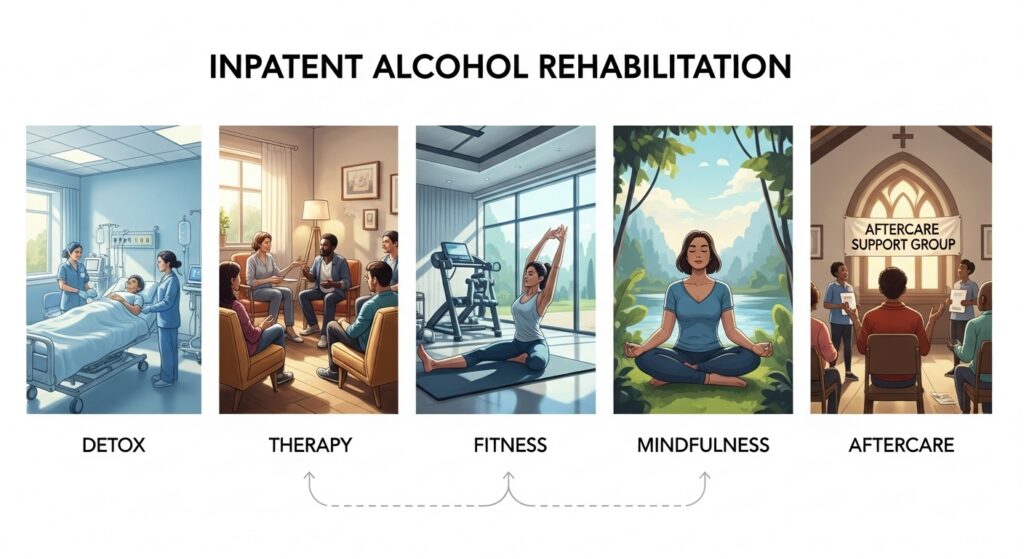
Embarking on your journey toward recovery can be both intimidating and hopeful, and you probably have no idea what’s involved in going to an inpatient alcohol rehab. Choosing a high-quality addiction treatment program, like the one offered at One Step Rehab in Chiang Mai, is the first step.
You are entrusting your well-being to compassionate professionals who are committed to guiding you through each phase of addiction recovery. Trust is the first hurdle to overcome. Because, as the old saying goes, “While you alone can do it, you can’t do it alone.”
Our comprehensive inpatient rehab uses evidence-based psychological approaches like CBT and Motivational Interviewing, but this alone can be lacking. What makes Thai rehabs like One Step so special is Thailand’s renowned hospitality—that’s why they call it ‘the land of smiles’—as well as access to authentic Vipassana meditation practice and sports like Muay Thai. This unique cultural setting positions our clients for true transformation. Coming to our rehab should not just be a medical procedure. It should be a life-changing experience.
A typical alcohol detox takes around 3-7 days. It needn’t be an unpleasant experience if you are tapered slowly and responsibly by an experienced medical team like ours. Gentle walking and socializing during this phase are encouraged, but no major physical exertion. As you enter the second week, you should begin sleeping well again and be ready for the full therapy program.
Navigating the Admission Process for Alcohol Rehab
The admission process for inpatient alcohol rehab is often the first meaningful step in reclaiming control from alcohol addiction. You are probably in what is known as the ‘action’ stage of change. You have already made your decision, and now you’re here. Nevertheless, it’s entirely understandable to have questions about what to expect. Once you pick up the phone or write us an email, one of our client liaison specialists will reply. They will answer the most basic questions first. They are there to help you decide whether One Step is the right alcohol treatment program for you. If you feel One Step is the right fit, then they will organize a formal assessment with one of our clinicians. If you pass that assessment and decide to come, then they will stay in touch with you all the way through the process until you arrive.
Assessment & History Taking
The journey truly begins with a confidential assessment, handled by our dedicated intake team of counselors and psychologists, who will listen carefully to your history, concerns, and treatment goals. In a sense, this is the start of the therapeutic journey, because they will gather important background details, such as how much alcohol you are using, as well as inquire about your medical history and the duration or severity of your drinking. They will also discuss any co-occurring mental health disorders that might influence your recovery journey, like depression, anxiety, or PTSD. In general, they will ask what is going on for you right now regarding your work, family, and other stressors.
One Step Rehab understands that addiction affects everyone differently, so our addiction treatment program is never one-size-fits-all.
Logistic Arrangements
If you’re traveling from abroad, our staff will support you with visa arrangements and travel plans. When you have booked your flights, you send them to our client liaison team, who will arrange the airport pick-up and help you fill in the Thailand Digital Arrival Card (TDAC). They will also guide you with your packing list and provide a sheet of essential information, including our refund policy, rules and expectations, the structure of the therapy program, and other important components of inpatient alcohol treatment.
The rules at One Step are like many other rehabs. Obviously, no drugs or alcohol are allowed. But some other rules may be less obvious, such as no sexual, romantic, or even ‘exclusive’ relationships. An exclusive relationship is one that locks other people out. At One Step, we want you to socialize with everyone. We discourage cliques or people keeping secrets from one another. As we say in recovery, “you are as sick as your secrets”. During inpatient rehab, it is important to be fully invested as a member of the community. Exclusive friendships can harm your ability to experience that powerful healing tool.
Arrival
Upon arrival, you will be picked up at the airport by our driver and be at the center within 25 minutes, where you’ll be introduced to the facilities and extensive amenities available at One Step Rehab. Arriving at our center, you are warmly welcomed not just by clinical staff but by an entire community invested in your recovery. We ask clients not to arrive on weekends, if possible, because we want you to integrate into the community and therapy as quickly as possible, and weekends are more for fun and off-site visits.
Admission
Our seamless admission process emphasizes privacy, confidentiality, and cultural sensitivity, embracing everyone as an individual. Clients can expect a comprehensive orientation, which includes a tour of the grounds, an introduction to support staff, and a clear outline of the upcoming daily schedule. Our facilities mirror those of an all-inclusive wellness resort, with comfortable accommodations, fitness centers, and peaceful outdoor spaces that offer respite while you engage in addiction treatment and recovery activities. Gone are the days of military-style facilities and shared rooms. Recovery should have a retreat-like vibe, not be an austere trial.
Introduction to Various Programs
A key element of inpatient rehab is the immediate access to multidisciplinary support. If detox is necessary, medical professionals will assess your needs and provide medically supervised alcohol treatment, prioritizing safety and comfort. The initial few days may require close monitoring of your vital signs every six hours or so, especially if you have been drinking a lot.
Holistic preparations, such as supplementation for sleep, mindfulness sessions, individualized therapy plans, and peer introductions, are also established early, ensuring every client feels part of a healing community from day one.
Throughout this journey, ongoing communication is the gold standard at One Step Rehab. All questions are encouraged, and families are given regular updates by email if they sign a ‘release of information’ (known as ROI). This reinforces the sense that no one walks this path alone. This client-centered approach extends to every aspect of the inpatient experience.
In sum, as you settle in during your first 24 hours at One Step Rehab, you can expect the following supportive experiences:
- Warm welcome from our staff and introduction to your personal care team
- Comprehensive health assessment to ensure your comfort and safety
- Review of your personalized treatment plan and daily schedule
- Private tour of our facility to help you feel at home
- Explanation of available amenities and support services
- Assistance with unpacking and setting up your living space
- Guided orientation on community guidelines and expectations
The Role of Addiction Detox in Inpatient Alcohol Treatment
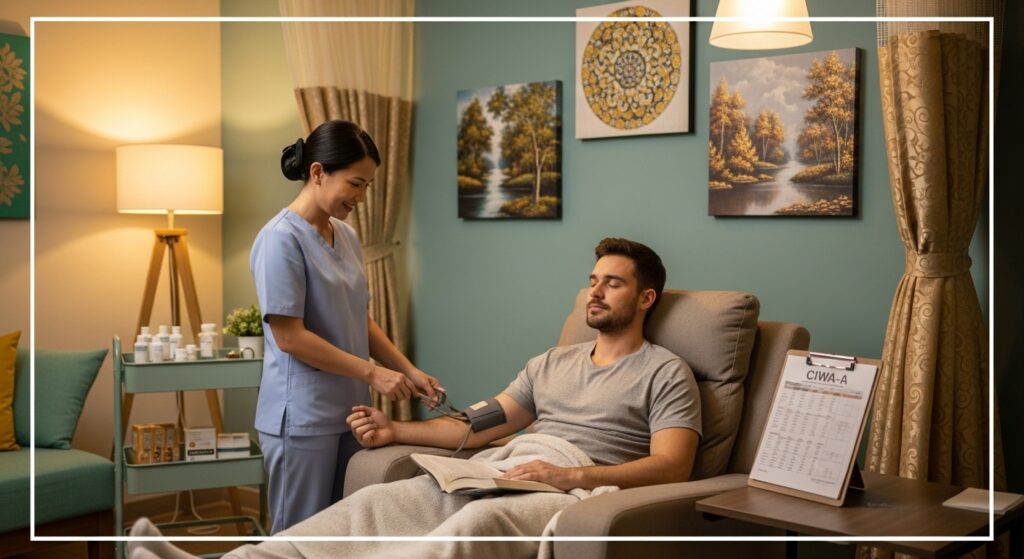
Detoxification, or detox, is a crucial first stage of inpatient alcohol treatment that often shapes the quality and trajectory of long-term recovery. At One Step Rehab, we know that alcohol addiction demands more than just willpower; it requires safe, medically supervised detox. Followed by diligent work by clients and staff alike.
Effective alcohol detox procedures follow the CIWA-A (Clinical Institute Withdrawal Assessment – Alcohol) protocol. This is used to monitor and manage alcohol withdrawal symptoms. It involves scoring symptoms such as tremors, agitation, anxiety, nausea, sweating, hallucinations, and orientation.
Patients are typically checked every 6 hours, or more frequently if symptoms are severe. The score guides whether medication (commonly benzodiazepines) is needed.
This approach sets the stage for ongoing evidence-based psychotherapy and lasting transformation by addressing both the physical reliance on alcohol and the psychological roots of addiction. As opposed to dangerous and lonely home detoxes, the intensive medical supervision that dedicated care teams like ours can provide ensures safety, peace of mind, and the right foundation to begin genuine recovery.
Medical Supervision and Safety During Detox
As a drug and alcohol counselor who’s witnessed many courageous individuals reclaim their lives from alcohol addiction, I cannot overstate the importance of medical supervision and safety throughout the detox process. Detox alcohol treatment, especially for those with chronic alcohol use, can involve unpredictable and even dangerous withdrawal symptoms.
Furthermore, medical supervision isn’t only about crisis management. It’s equally about offering reassurance and reducing the immense fear that often accompanies detox. Many clients report anxiety about withdrawal symptoms or worry about what the process might entail. Having constant, compassionate care during inpatient treatment provides the crucial emotional safety net required for clients to endure challenging moments.
In a responsibly managed alcohol rehab program, every detail is managed, from regular vital checks to therapeutic interventions for both physical pain and psychological distress. For instance, clients often benefit from supportive therapy and mindfulness sessions during detox, accessing a sense of control and relief through guided breathing or grounding exercises. This integration of therapy with traditional medical care exemplifies One Step’s holistic approach, ensuring no aspect of the detox experience is overlooked.
Detox is not a standalone step either; it should be woven into the full continuum of care. Transitioning from medical detox to ongoing addiction therapy is seamless at One Step Rehab due to collaborative communication between all care providers.
Multidisciplinary meetings keep each client’s progress in focus, ensuring that once the acute stage of detox is complete, attention immediately shifts to individualized therapy, addressing the underlying patterns and triggers of addiction. The continuity of care, where detox, therapy, and ongoing treatment interlace, optimizes your recovery potential.
Personalized Approaches in Alcohol Addiction Care
No two journeys through alcohol addiction are ever the same, which is why effective inpatient alcohol rehab relies on personalized treatment approaches grounded in evidence-based care. While some clients find that their mental and emotional health disorders like depression clear up quickly after getting sober (around 80%), others find that such issues can linger. This is particularly the case with PTSD and bipolar depression.
Drawing from both modern psychology and holistic practices, One Step Rehab creates an individualized recovery experience that supports each client’s unique needs, including mental health issues that commonly occur with alcohol abuse. This care philosophy integrates proven therapy modalities, such as trauma-focused CBT, and wellness-enhancing supportive services, such as mindfulness-based stress reduction, to consider every aspect of addiction’s impact.
By combining Western clinical expertise with Eastern wisdom, we have found that we can maximize our clients’ recovery outcomes and improve their long-term well-being well into their recovery.
Integrating Evidence-Based Treatment and Holistic Support
Like any good inpatient rehab, the One Step Rehab program embodies a thoughtful integration of evidence-based treatment methods and holistic support.
Our treatment program is based on established scientific research, which means that we start with what works best: Cognitive Behavioural Therapy (CBT), trauma-informed care, group therapy frameworks, and individualized one-to-one sessions. For example, with CBT, you will learn what triggers you (A, or activator), what negative thoughts you tell yourself (B, or beliefs), and what the emotional fallout of that is (C, for consequences). This addiction-specific way of using CBT has been pioneered for many years in the Thai rehab sector. These modalities, essential in effective addiction treatment, address not only alcohol addiction itself but also underlying co-occurring disorders such as anxiety, depression, and trauma that often perpetuate the cycle of addiction.
The cognitive work you do using CBT is complemented by non-verbal therapy using modalities like breathing protocols, ice baths (for the brave), and sound therapy. These methods work more directly on the body (specifically the nervous system, which is why they’re known as ‘body-based therapies’).
At our center, the care and therapy offered aren’t limited to textbook solutions; they’re always tailored to the client’s specific history, culture, goals, and motivations. For example, if someone has pronounced anxiety, then using a technique like Yoga Nidra is very helpful, because it is a relaxation-based protocol that resets the body’s fight-flight mechanism and can be learned over one or two months. If, on the other hand, you are young and full of energy, then a more appropriate body-based technique might be to naturally elevate mood via endorphins (the body’s pleasure chemical) by doing cardio or strength training.
The value of a truly personalized approach cannot be overstated. Clients arrive with diverse backgrounds and unique experiences, deserving of care that reflects their individuality rather than a standardized protocol.
Here, holistic doesn’t simply mean “alternative”; it reflects the integration of body, mind, and spirit in the recovery journey. Mindfulness meditation, breathwork, yoga, creative expression, and fitness therapy help restore physical balance, build emotional resilience, and cultivate self-awareness. When woven into the treatment program, these activities empower clients to heal on multiple levels.
Meditation and mindfulness are best learned from those who know them best. Our Thai and Burmese trainers can teach you meditation from an unbroken thousand-year tradition. We use these local resources because they are unbeatable when it comes to encouraging clients to slow down, find inner peace, and gain insights into how they want to live the rest of their lives.
Nutritional care is also a pivotal part of rehab today, in our view. This is why alcohol-addicted clients should be provided with balanced meals that promote balanced dopamine release and neurological recovery, which maximizes brain health and regeneration. See our blog on nutrition in recovery here.
Daily Life and Structure at an Inpatient Rehab Facility

The daily life within an inpatient rehab facility is carefully designed to foster stability, healing, and personal growth. At One Step Rehab, clients experience predictable structure, compassionate support, and engaging routines that promote recovery from alcohol addiction and substance abuse.
Our approach balances evidence-based therapy and therapeutic activities with time for guided self-reflection and wellness, ensuring each client benefits from an environment conducive to sustained healing. Downtime is usually on the weekend, but there are also fun excursions, like elephant camps, temple tours, and cooking schools. All of this forces us to become more sociable, even if it’s not our natural inclination. Recovery is all about connection.
Beyond formal addiction treatment, the rhythm of inpatient life encourages a slowing down and self-reflection. This can seem strange at first, as many of our alcohol-addicted clients come from busy backgrounds. However, most find that they soon get used to the slower, Thai way of doing things, and most agree that this is just what they needed, but they never would have done it at home.
Experiencing Supportive Routines and Therapeutic Activities
When entering an inpatient rehab facility like One Step Rehab, clients quickly discover that structure and routine are not just organizational tools; they are essential therapeutic assets that anchor recovery and personal transformation.
The design of daily life in our rehab is explicit: each element of the schedule, from early mornings to restful evenings, is purposefully implemented to foster healing and nurture positive change. Predictable routines create stability and allow you to break free from the chaos often associated with substance abuse and alcohol addiction. These routines provide a framework that keeps progress on track even when you return home.
A typical day within our inpatient program begins with meditation or physical activities, such as yoga or a guided fitness session like Muay Thai. Our whole philosophy is that physical wellness is inextricably linked to mental health, and so we encourage clients to get their blood pumping and their brain moving as early in the day as possible.
Breakfast is nutritious and communal because we believe that it’s important to eat together. No one is allowed to isolate or eat in their room. This establishes a supportive environment where clients connect, talk to each other, and get to know one another on a deeper level. Shared meals are more than sustenance; they’re microcosms of the supportive ethos that runs throughout our rehab center.
Central to the inpatient experience is therapy, of course. CBT (Cognitive Behavioural Therapy), MET (Motivational Enhancement Therapy), and the Matrix Model are central to our group therapy program because they are the most evidence-based modalities for treating addiction and alcohol use disorder. The group starts at 10.30 (after exercise) and goes on until midday. Oftentimes, the group will ‘break off’ in workshop style to complete their work in groups. Other times, someone will be presenting their life story, or we might feel it necessary to have a general ‘process’ where people check in their feelings.
In the afternoon, individual counseling takes over. One-to-one therapy is where you build your relationship with your individual therapist. This is a very important relationship and one that many people in rehab have changed their lives. Your therapist will help you to explore the roots of your addiction to alcohol, identify harmful thought patterns you engage in, and develop durable coping strategies going forward.
Structured therapy is complemented by psychoeducation workshops that empower clients to understand addiction and recovery as ongoing processes, not isolated events. These usually take place in the morning as well. Topics covered include:
- The neuroscience of addiction
- Dealing with triggers and cravings
- Family dynamics
- Co-dependency
- Narcissism and other masks used in active addiction
- Adverse childhood experiences
Fitness-oriented activities, unique to One Step Rehab with our comprehensive fitness amenities, are also a distinguishing feature of One Step versus other drug and alcohol treatment centers. We are more like a fitness boot camp than many other rehabs, and once you’re on your feet post-detox, you can begin your journey back to maximal physical health. Group classes, swimming, or hikes in the lush Chiang Mai landscape all restore your physical health and energize the spirit, connecting you with your body and reinforcing the core recovery principle of movement, discipline, and achievement. Participation in these diverse therapeutic activities is never forced; our clients are encouraged and supported to sample various routines until they discover which supports their unique healing journey.
As the day closes, evening reflections, gratitude practices, or gentle mindfulness activities bring daily life full circle. Clients conclude each day having experienced a blend of supportive routines, individual therapy, and group interaction that collectively enhance healing and prepare them for sustained recovery.
| Time of Day | Activity | Purpose | Therapeutic Benefit |
|---|---|---|---|
| Morning | Group Counseling | Foster peer support and reflection | Builds community, enhances self-awareness |
| Midday | Individual Therapy | Address personal challenges | Promotes emotional healing and growth |
| Evening | Skill-Building Workshops | Develop coping and life skills | Empowers independence and resilience |
| Weekend | Recreational Activities | Encourage relaxation and socialization | Supports stress relief and positive habits |
This table provides a clear overview of how structured daily routines at One Step Rehab support holistic recovery and personal growth.
Specialized Inpatient Alcohol Programs: What Sets Them Apart?
Choosing an inpatient alcohol rehab program is a transformative commitment, and specialized programs in Thailand have redefined what it means to recover with dignity, comfort, and success.
At One Step Rehab in Chiang Mai, our clients benefit from personalized, evidence-based care, a supportive therapeutic community, and a serene environment ideal for true recovery. Our ‘boot camp meets retreat’ vibe seems to resonate with people who know that physical and mental health are intricately intertwined. For example, in no other part of the world can you experience the same level of expertise in things like Muay Thai boxing training, Vipassana meditation, and psychotherapy, all in the same organization. After detox, true lifelong change needs to be ingrained. That’s why Thailand is the right setting. Western clinical staff and Thai holistic staff are a truly unique fusion that gets results. And you return home having had a truly life-changing experience.
Enhancing Healing with Thai Hospitality and Local Traditions
Participating in local traditions provides far more than just cultural enrichment: it grounds therapy in lived experience and helps clients reconnect with their own sense of identity and purpose. Cooking classes featuring Thai cuisine, craft workshops, and community celebrations provide creative outlets and foster a sense of accomplishment in our clients. Additionally, these activities build practical life skills and positive routines, an essential part of the recovery process that extends well beyond the treatment center’s walls.
In this way, the therapeutic advantage of Thai hospitality and local traditions is felt throughout every aspect of care at our rehab. For example, group therapy and peer support operate within a framework of mutual respect, empathy, and nonjudgmental acceptance, reflecting the deeper values inherent in the culture. This means that clients can share openly, build trust, and receive feedback in a setting that truly honors their vulnerability and growth. The result is a program where every detail, from the structure of therapy sessions to the design of amenities, enhances the prospects for meaningful recovery.
In summary, the value of recovery at One Step Rehab is immeasurably increased by the careful fusion of Thai hospitality and local traditions. These elements do more than enhance comfort; they fundamentally enrich the effectiveness of the therapy that you receive and promote lasting healing, helping you to develop a genuine sense of connection and support. Through mindfulness practices, cultural insights, and a recovery environment steeped in tradition, every one of our clients gains not just the opportunity to overcome alcohol addiction but also to rediscover joy, purpose, and holistic well-being that will endure for years to come.
Building Foundations for Long-Term Recovery After Inpatient Rehab
Completing inpatient alcohol rehab represents a significant achievement, but the true trajectory of recovery unfolds long after leaving the supportive environment of a treatment center.
At One Step Rehab, our commitment doesn’t end at discharge; our therapists actively prepare clients for reintegrating into daily life by helping them to build an extensive discharge and recovery plan before they leave. This plan will ask you questions such as what your major triggers are and what you intend to do to minimize the risks associated with that person, place, or thing. Developing these crucial foundations ensures every client remains empowered, resilient, and capable of navigating challenges well beyond their time in our rehab program.
Practical Tools, Aftercare Planning, and Relapse Prevention
Securing lasting, long-term recovery from alcohol addiction demands far more than simply completing a rehab program; it’s about building an adaptable, durable set of foundations that will support you through the changing realities and challenges of daily life. At One Step Rehab in Chiang Mai, our comprehensive aftercare planning framework equips you with practical tools rooted in proven relapse prevention techniques, like how and where to access 12-step or SMART recovery meetings and how to deal with cravings and urges. We also loop the family into these goals where appropriate, and if you agree to have them involved.
As a counselor focused on sustainable results, I’ve seen that the real test of recovery comes once a person steps beyond the routine and safety of structured inpatient facilities and re-enters everyday environments. That’s why I have built our program in a way that devotes considerable attention to laying out a clear, attainable roadmap for post-rehab success.
Aftercare planning is a collaborative process that begins well before inpatient treatment concludes. Each client and their primary therapist work together to map out a personalized aftercare plan, identifying supports, triggers, and potential stressors unique to their situation. This tailored approach is essential: it ensures the plan is realistic and fits within the client’s resources and available local support systems. The plan often includes recommendations for continued outpatient therapy sessions and scheduled counseling, as well as peer recovery groups. A lot of therapeutic issues, particularly trauma-based issues, ideally should be addressed post-rehab.
At One Step Rehab, we maintain close connections with a network of outpatient centers and therapists, both locally and internationally, to facilitate a seamless transition and provide continuity of care for you. Our most successful clients take advantage of these networks and use them. The core pillars of relapse prevention are recognizing early warning signs, applying coping skills learned during the inpatient program, and reaching out for support at the first sign of trouble. An outpatient therapist skilled in addiction and familiar with our treatment system can help you apply these principles.
Ideally, the therapeutic alliance established during inpatient treatment should transition into ongoing relationships with counselors, alumni groups, or local peer support organizations when you leave. At One Step Rehab, we like to help you establish these connections before you leave because we don’t want to leave anything to chance.
Lastly, our facility’s commitment to relapse prevention and aftercare is underscored by proactive follow-up. One Step Rehab remains a resource for alumni, offering regular check-ins, open channels for guidance, and the invitation to return for booster therapy or community activities if needed. Our weekly online aftercare group is free and takes place every Saturday. Here, you can reconnect with peers you were in treatment with and new ones who preceded you. In this way, you learn that recovery is a lifelong dynamic process. Our support does not simply stop when discharge paperwork is signed. Instead, we see each client’s success as a reflection of our own success. That’s why we offer a unique 12-month free aftercare program. We are pretty sure this is unique in the industry and demonstrates our commitment to your total recovery.
Conclusion
To conclude, building the foundation for long-term recovery after inpatient rehab is an intentional, multi-layered process. By providing robust aftercare planning, practical relapse prevention tools, and ongoing access to support, our team at One Step Rehab empowers individuals to transition with confidence, maintain sobriety, and thrive in their new chapter. The journey continues, but with well-designed systems, counseling, and resources in place, each client leaves equipped to avoid relapse and build a vibrant, fulfilling life grounded in recovery.
Taking the step towards inpatient alcohol rehab can be a life-changing decision and understanding what to expect helps ease any uncertainties. At One Step Rehab, you’ll find comprehensive care in a comfortable, welcoming environment. Our multidisciplinary team is dedicated to guiding you through every stage of your recovery journey.
If you or a loved one is ready to break free from alcohol addiction, reach out today. Embrace the opportunity for healing and growth; your path to a healthier, more fulfilling life begins here, one step at a time.
References
James A. Foulds, Simon J. Adamson, Joseph M. Boden, Jonathan A. Williman, Roger T. Mulder, “Depression in patients with alcohol use disorders: Systematic review and meta-analysis of outcomes for independent and substance-induced disorders.” Journal of Affective Disorders, Volume 185, 2015, Pages 47-59,
Fact-checked by: Dr. Worapakthorn Kongpesalaphun, M.D., Consultant Psychiatrist.

Alastair Mordey
Alastair Mordey is one of the pioneers of drug and alcohol treatment globally and specifically in Asia. He has been an addiction’s professional for twenty years. He started his career as an expert in substance abuse working with street homeless dr...
Read More