

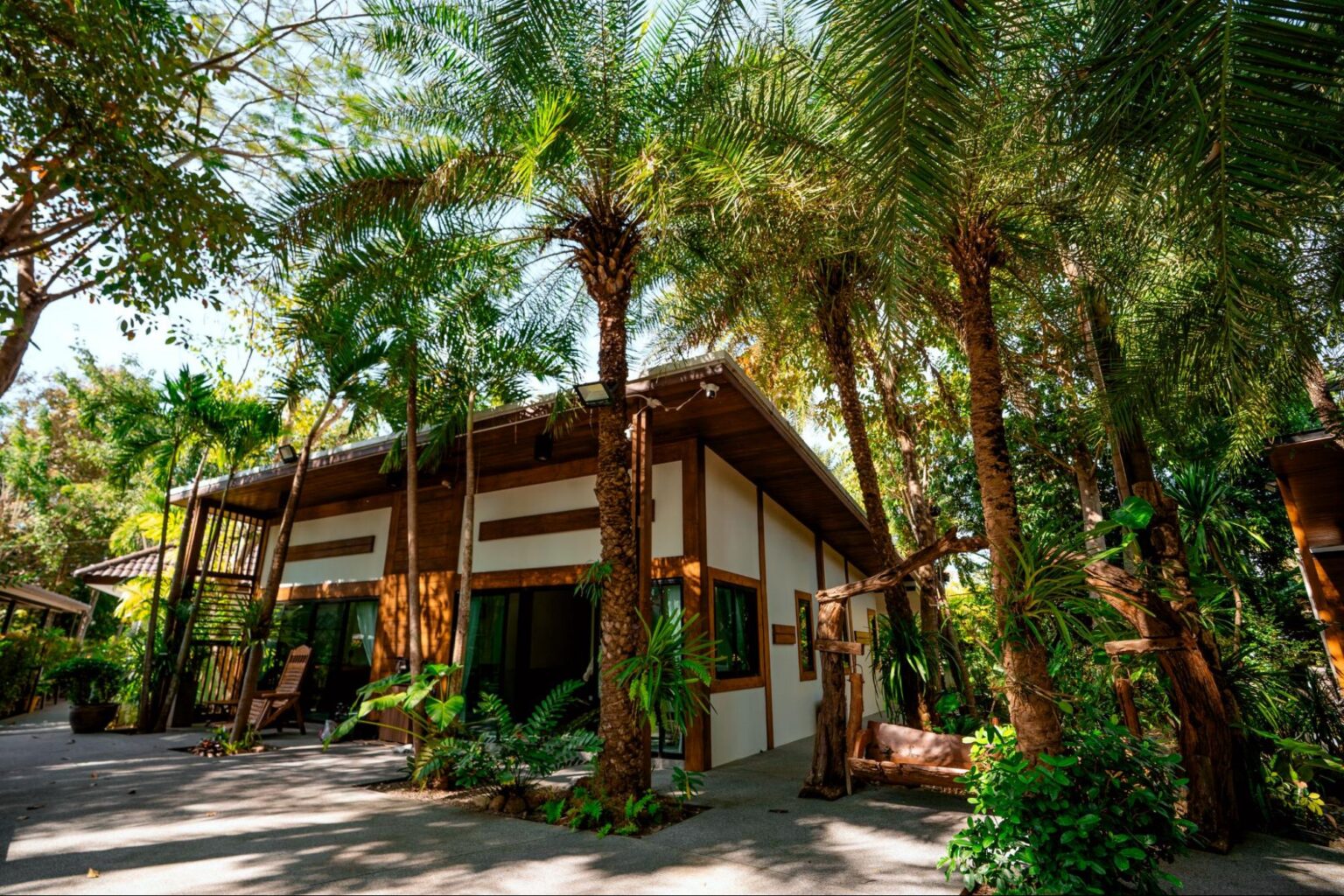
Fitness & Nutrition in Recovery From Addiction
Physical fitness and good nutrition are core treatment components at One Step Rehab — not optional add-ons.
- Muay Thai boxing, strength training, and kettlebells
- Dopamine-smart meal plan designed for recovery
- In-house gym, pool, Muay Thai ring, and mountain bikes
- Outdoor training in the Chiang Mai mountains
- Yoga, ice baths, and nervous-system recovery
Available Monday–Saturday, 9am–6pm (Thailand time)
Contact AdmissionsPhysical Health at the Heart of Treatment
Recovery from addiction is not just about stopping drug use, it’s about reconnecting with one’s inner vitality, instilling discipline, and regaining a sense of meaning and purpose. At One Step Rehab we believe that physical health and mental health are intricately linked, which is why we place physical fitness and good nutrition at the heart of our addiction treatment programme.
At One Step Rehab, fitness and good nutrition is not an optional add-on — it is a core treatment component. Depending on your baseline, injuries, and preferences, your weekly schedule may include:
- Strength training (bodyweight, resistance bands, free weights)
- Cardiovascular work (Muay Thai boxing, cycling, interval work, as appropriate)
- Outdoor training in the mountains and rice fields around Chiang Mai
- Yoga or mobility sessions to repair postural and nervous-system strain
- Ice baths to support autonomic balance
Why Fitness Matters in Addiction Recovery
Research now proves that mental health issues can be greatly improved by diet and exercise. Structured training is shown to improve executive function, impulse control, sleep regulation, and emotional stability at a neurological level — all of which have been heavily disrupted by addiction to drugs and alcohol.
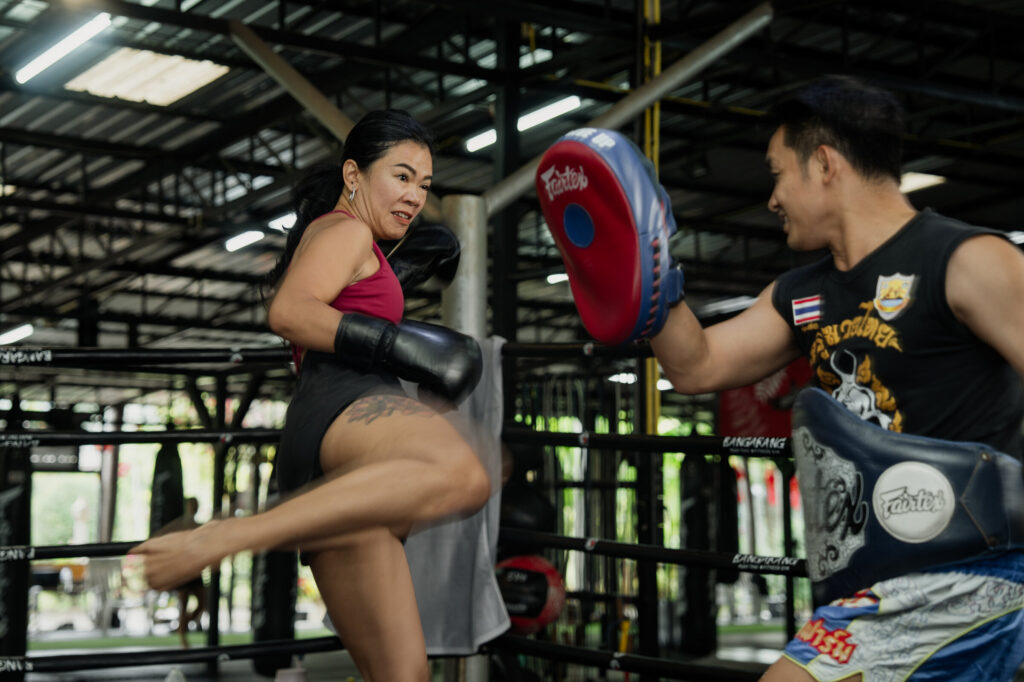
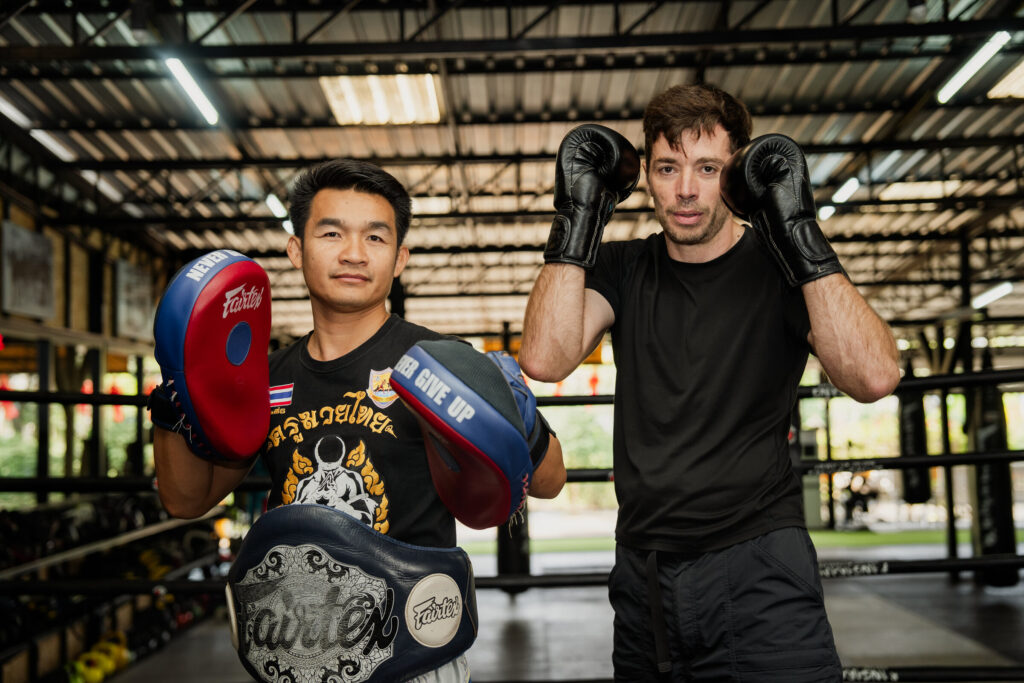
Muay Thai Boxing
Builds discipline, confidence, balance, and spatial awareness. Combines aerobic, anaerobic, and skill-based training, resulting in measurable improvements in dopamine recovery, stress tolerance, and brain neuroplasticity.
Strength Training
Rebuilds muscle tone, immune system, and overall brain function. Resistance training has direct effects on confidence, sleep quality, and hormonal balance during early recovery.
Cardiovascular Training
Improves heart and lung function, and elevates mood. Regular cardio work directly supports dopamine and serotonin regulation, helping stabilise the emotional volatility common in early recovery.
Yoga & Mobility
Rebuilds posture and reduces racing thoughts. Yoga and mobility sessions help repair nervous-system strain caused by prolonged substance use and the stress of active addiction.
In-House Fitness Facilities
Physical fitness is central to our programme and our fitness facilities reflect that. Our range of in-house training options are the most extensive of any rehab in Thailand.
- Dedicated Muay Thai training centre with full-size ring
- Heavy bags and structured coaching
- Free weights gym with strength training equipment
- Kettlebells and circuit training space
- Large swimming pool
- Pickleball court and tennis court
- Fleet of mountain bikes
- Access to quiet rural tracks and surrounding fields for running and cycling
Daily Classes & Outdoor Activities
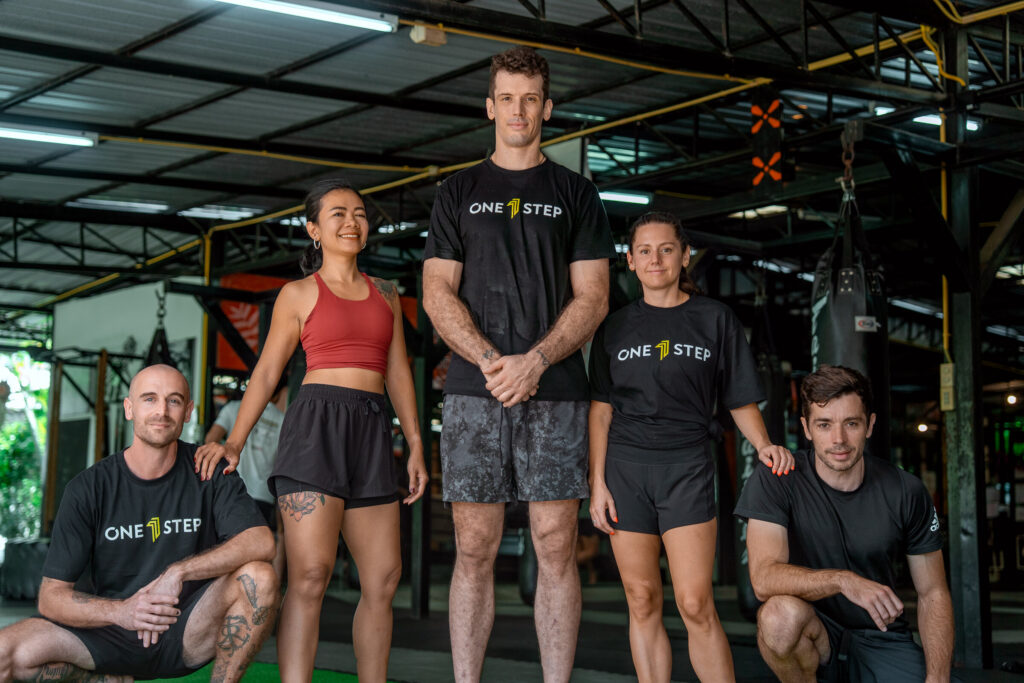
We run daily structured fitness classes alongside access to recreational facilities and regular immersion in nature, which has a beneficial effect on the metabolism and nervous system.
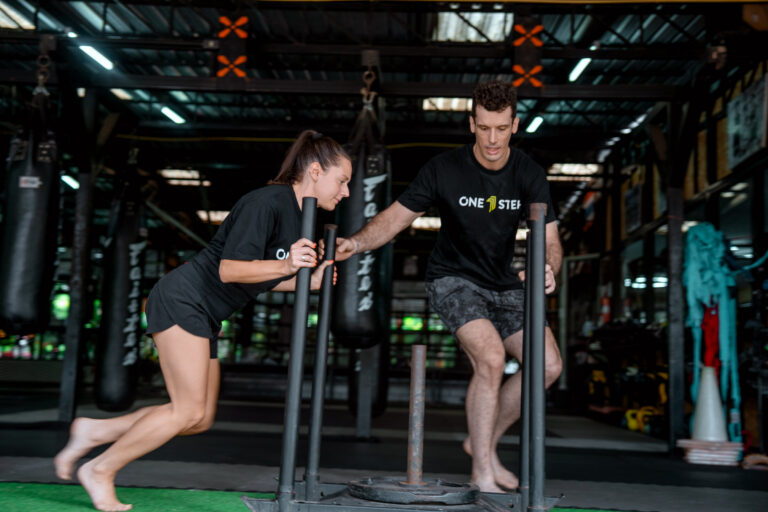
Daily Classes
- Muay Thai boxing
- Kettlebells
- HIIT training (Tabata)
- Tyre training
- Circuit training
- Yoga
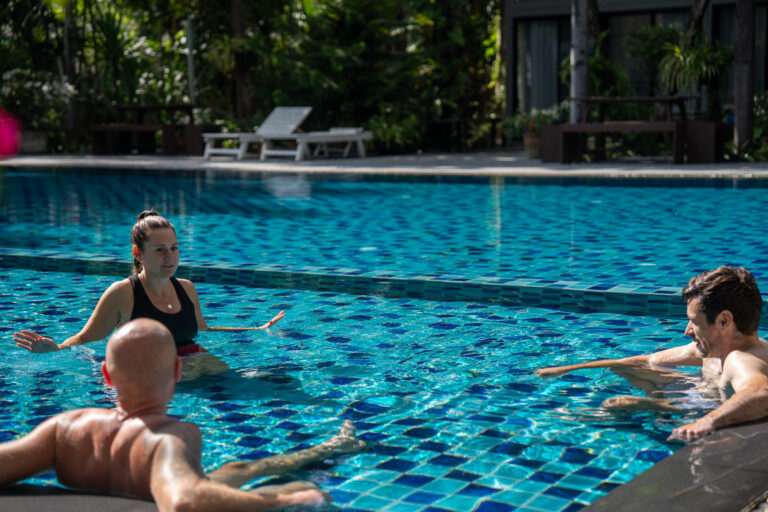
Additional Facilities
- Swimming pool
- Tennis court
- Pickleball court
- Ice baths

Outdoor & Nature Activities
- Jungle trek and waterfall dip
- Wild swimming and paddle-boarding on the local lake
- Elephant sanctuary (washing and feeding, not riding)
- Cycling through local fields
- Ice baths
Talk to our admissions team about how fitness and nutrition are integrated into every day of treatment at One Step. Free, confidential, no obligation.
Speak to Admissions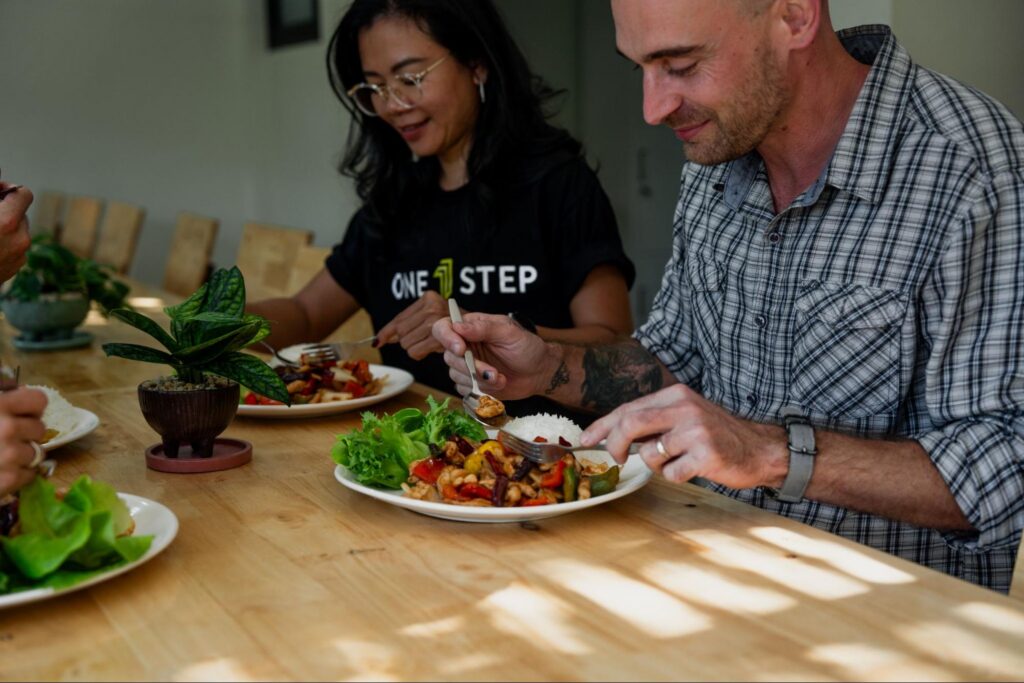
Why Nutrition Is Important in Recovery
At One Step Rehab, every client follows our dopamine-smart meal plan which is designed to support brain chemistry and mood regulation. We call it the dopamine diet, because it is aligned with the science of recovery from addiction, and the importance of attaining good overall metabolic health.
In terms of recovery from addiction your brain needs raw materials to rebuild dopamine:
- Tyrosine
- Omega-3 fatty acids
- Vitamin B6
- Antioxidants
- Complex carbohydrates
All of these building blocks for mental and physical recovery are built into our home-cooked menu here at our facility in Chiang Mai, using fresh local ingredients.
Nutrition, Screening & Supplementation
Supporting recovery through metabolic health, biomarker testing, and targeted supplementation where appropriate.
Why Metabolic Health Is Important in Recovery
Metabolic health is defined as the state in which the body processes and uses energy from food, which can be measured in key biomarkers like fasting blood glucose levels. Most rehabs overlook the need for improved metabolic health in early recovery, but here at One Step we see it as an essential ingredient of primary treatment.
At One Step we have pioneered dopamine-smart meal plans and exercise-focused drug rehabilitation. Our diet is relatively high in protein and low in carbohydrates, with minimal processed ingredients. Our exercise regime is among the most well-thought-out and professional of any rehab in the world. Taken together these two things — exercise and whole food diet — are proven to massively increase longevity and healthy brain function.
Comprehensive Health Screening
In addition to overall dietary improvements, we can also provide comprehensive wellness screening of specific biomarkers for clients who have undergone the highest level of inpatient hospital care and detoxification.
- CBC – Complete blood count
- EKG – Electrocardiogram (cardiac function)
- LFT – Liver function test
- BUN – Blood urea nitrogen
- Cr – Creatinine
- Electrolytes
Nutraceutical Therapy
Where appropriate we may use supplementation stacks to assist with ongoing issues like insomnia or persistent anxiety. Examples of natural herbal extracts (nutraceuticals) that we might use are:
- Taurine
- Glycine
- Bamboo extract
- L-Theanine
- Magnesium
Frequently Asked Questions
Common questions about fitness and nutrition at One Step Rehab.
Yes. Research increasingly shows that structured exercise can improve mood, sleep, impulse control, stress regulation, and overall mental health during recovery from addiction. Physical training also helps restore routine, confidence, discipline, and dopamine function, all of which are commonly disrupted by long-term drug or alcohol use.
No. Our fitness programme is adapted to different ages, injuries, fitness levels, and physical limitations. Some clients arrive with extensive training backgrounds, while others may not have exercised in years. The goal is not athletic performance, but gradual physical and mental recovery.
Our programme may include Muay Thai boxing, strength training, kettlebells, circuit training, cycling, swimming, yoga, mobility work, hiking, and outdoor fitness activities. Clients also have access to our swimming pool, free weights gym, mountain bikes, pickleball court, and other recreational facilities.
The dopamine diet is our recovery-focused nutritional approach designed to support brain function, metabolic health, and mood regulation during addiction recovery. Meals are built around whole foods, high-quality protein, healthy fats, vitamins, minerals, and nutrient-dense ingredients that help support dopamine production and overall physical recovery.
Long-term drug and alcohol use can significantly disrupt appetite, metabolism, sleep, hormones, digestion, and brain chemistry. Good nutrition helps restore physical health, stabilise mood and energy levels, improve sleep quality, and support cognitive functioning during early recovery.
Yes. Where clinically appropriate, we can arrange comprehensive health screening and biomarker testing for clients who require additional medical oversight after detoxification or hospital treatment. This may include blood work, liver function tests, electrolyte screening, cardiac monitoring, and other wellness markers.
Where appropriate, certain supplements or nutraceuticals may be used to support sleep, anxiety management, recovery, and overall wellbeing. These may include amino acids, minerals, or herbal extracts alongside improvements in diet, exercise, sleep, and routine.
No. Muay Thai is available as part of the programme, but participation is always based on the client’s interests, injuries, physical condition, and comfort level. Alternative forms of exercise and movement-based recovery are always available.
Contact our admissions team for a free, confidential conversation about treatment at One Step. We will explain the full programme including fitness, nutrition, counselling, and aftercare. No pressure, no obligation.
We’ll respond within 24 hours