

How Long Is the Treatment Program?
Extended Residential Programs From 28 Days to 6 Months
- Programs from 28 days to 6 months
- Phased clinical approach (CBT, trauma, family work)
- Flexible extensions based on progress
- 12 Months Ongoing Aftercare Included
100% Confidential | No Obligation
Get Confidential HelpContinuing care is widely believed to be an important component of effective treatment for substance use disorder, particularly for those individuals with greater problem severity. — National Library of Medicine
Extended Treatment Programs
One Step offers treatment programs lasting up to 6 months. Our 28-day residential program provides a solid clinical foundation for recovery from addictive behaviours, but research shows that people who stay in treatment for 3 months or longer have significantly higher rates of sustained abstinence.
Extended treatment durations give you the best opportunity to take full advantage of our One Step to Recovery™ treatment method. Our clinical team can advise on the recommended length of a treatment episode and explain how the elements of our evidence-based approach produce the most successful outcomes at different timeframes.

Treatment Duration Options
Our clinical team recommends a treatment length based on your individual assessment. Here is what each timeframe allows us to cover.
28 Days
Foundation ProgramMedical stabilisation, initial therapy, mind mapping, and addiction story work. A solid start with the core clinical framework in place.
60 Days
Recommended MinimumDeeper CBT work on triggers and denial systems, SMART goals for recovery, and time to build sustainable coping skills.
90+ Days
Best OutcomesFull program including trauma and family systems work. Research shows 90+ days produces the highest sustained abstinence rates.
What Do the Different Treatment Phases Cover?
Each month of treatment builds on the last. The phased approach ensures clinical depth rather than rushing through surface-level work.
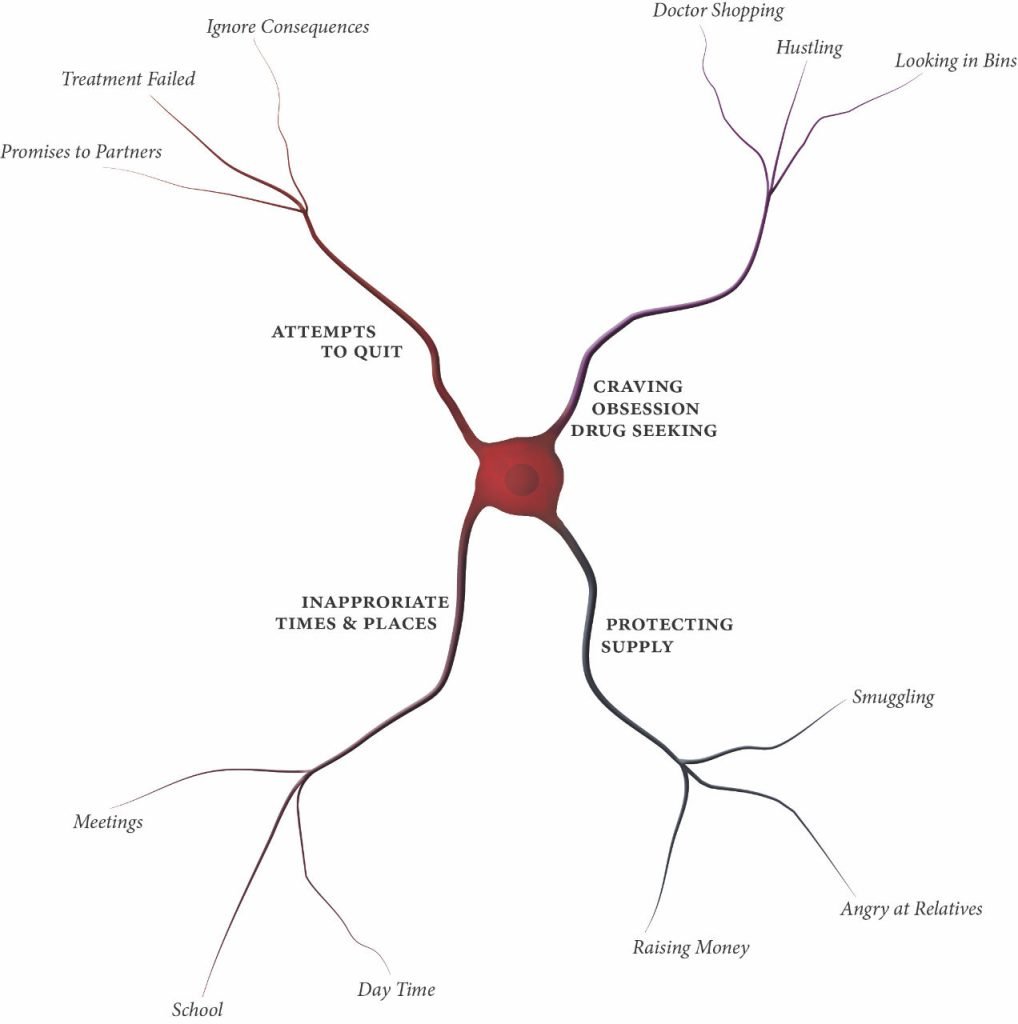
Phase 1: Addiction Mapping
Month 1You will work on your mind maps and timeline. This is your addiction story—and you share it with others in recovery as part of the process. Doing so helps you identify with others who have the same behavioural disorder and recognise that you are not alone. This uncovering process can be deeply therapeutic.
- Construct detailed mind maps of addiction patterns
- Build your personal addiction timeline
- Share your story in group therapy sessions
- Medical stabilisation and detox support where needed
Phase 2: CBT & Goal Setting
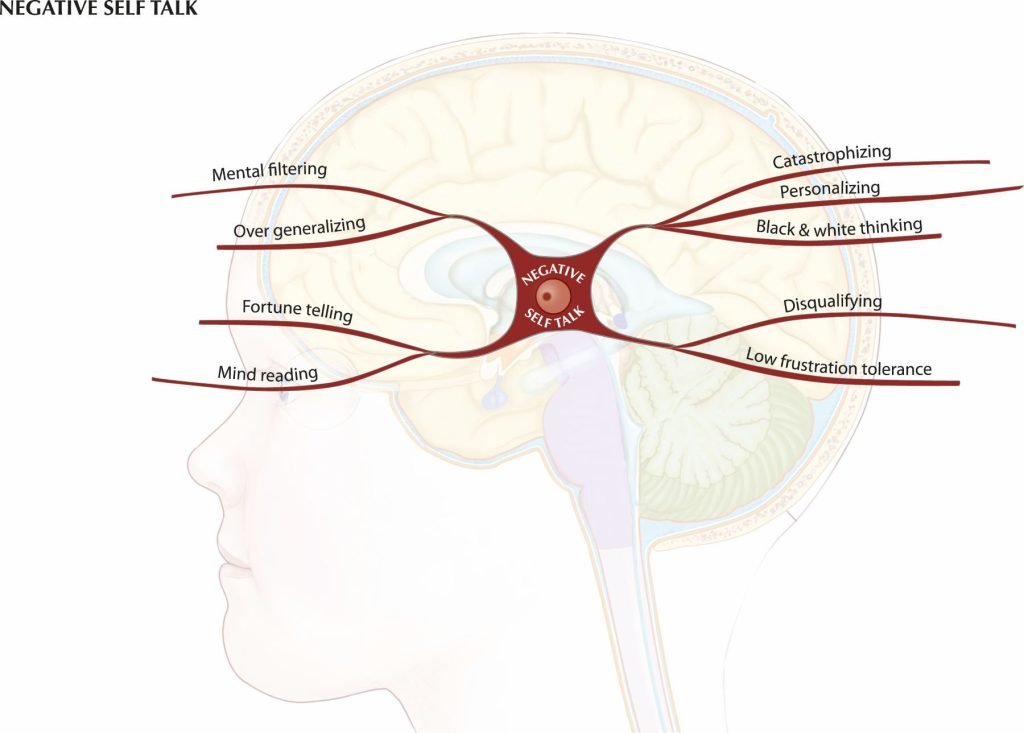
Month 2You will complete CBT exercises that explore triggers, cravings, and cognitive denial systems. This phase also focuses on building SMART goals for the future—a concrete vision for recovery and essential life areas including work, health, and relationships.
- Cognitive Behavioural Therapy exercises
- Identify and challenge denial systems
- Build SMART goals for recovery and life planning
- Trigger mapping and craving management strategies
Phase 3: Family Systems & Trauma
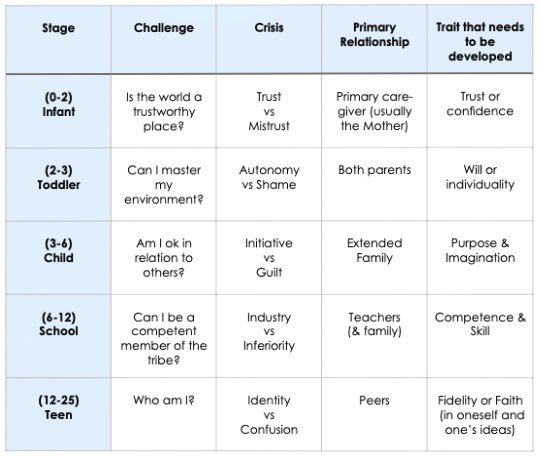
Month 3In phase 3 there is time for deeper work on family systems and childhood adversity. Clients provide Mind Mapped details of their developmental stages through childhood, youth, and adulthood to investigate the legacy of past coping mechanisms and develop more resilience.
- Family systems analysis and relationship patterns
- Childhood adversity and trauma exploration
- Developmental stage mapping (Erikson's psycho-social model)
- Building resilience and healthy coping mechanisms
Our clinical team can advise on the recommended duration based on your situation. Many clients arrive planning 28 days and choose to extend once they experience the program.
Speak to Our TeamWhy Extended Treatment Produces Better Results
The evidence is consistent: longer stays in residential treatment correlate with higher rates of sustained recovery. Here is why.
Time to Address Root Causes
Addiction rarely exists in isolation. Trauma, family dysfunction, and co-occurring mental health conditions need time to surface and be worked through properly. A 28-day program can only scratch the surface.
Behavioural Change Takes Time
Breaking entrenched habits and building new neural pathways is not a quick process. The longer you practice new coping strategies in a supportive environment, the more automatic they become.
Deeper Therapeutic Community
Longer stays allow stronger bonds with peers and counsellors. The therapeutic community—clients supporting each other through shared experience—is one of the most powerful drivers of recovery.
Post-Acute Withdrawal Management
Physical detox may take days, but post-acute withdrawal symptoms—mood swings, sleep disruption, cravings—can persist for weeks or months. Being in a structured environment during this vulnerable period reduces relapse risk.
Frequently Asked Questions
Common questions about treatment duration at One Step Rehab
One Step offers residential treatment programs from 28 days up to 6 months. The minimum stay is 28 days, though research shows that 90 days or more produces significantly better outcomes. Our clinical team will recommend a duration based on your individual assessment.
Research published in the National Library of Medicine shows that people who stay in treatment for 3 months or longer have higher rates of sustained abstinence. Longer stays allow deeper therapeutic work on trauma, family systems, and relapse prevention—areas that a 28-day program can only begin to address.
Phase 1 (month 1) focuses on addiction mapping through mind maps and timelines—your addiction story shared with peers. Phase 2 (month 2) covers CBT exercises exploring triggers, cravings, and denial systems, plus SMART goal building for life areas like work, health, and relationships. Phase 3 (month 3) goes deeper into family systems, childhood adversity, and trauma work using developmental stage analysis.
Yes. Many clients who arrive planning a 28-day stay decide to extend once they experience the program. Extensions are straightforward and our team can advise on the recommended duration based on your progress and clinical needs. There is no pressure either way—we will always be honest about what a given timeframe can realistically achieve.
A 28-day program provides a solid foundation—detox stabilisation, initial therapy, and the beginnings of a recovery plan. For many people, especially those with long-standing addiction or co-occurring mental health conditions, 60–90 days or longer produces meaningfully better outcomes. We will always give you an honest assessment of what different durations can achieve for your specific situation.
Every client receives 12 months of ongoing online therapy after leaving—this is included in your treatment fee and unique among Thailand's rehab centres. We also run weekly Saturday alumni groups to maintain connection and accountability. The transition from residential treatment back to daily life is a high-risk period, and structured aftercare significantly reduces relapse rates.
For an informal chat about treatment options, costs, and how our program can help you or a loved one, contact us. Our admissions team will help you understand what duration makes sense for your situation.
We'll respond within 24 hours