What to Expect at a Thailand Rehab Center
The exact process required for admission to a rehab center in Thailand will depend on your chosen treatment center. The first step is usually a telephone assessment with a counselor to establish your needs and make plans for your arrival. A thorough evaluation is crucial for creating a tailored treatment plan that addresses your specific needs and circumstances. Before entering into the treatment program, you will need to make payment, book flights and take care of any visas requirements for immigration. Most nationalities are eligible for 60 a day visa exemption on arrival in Thailand which allows for an extended treatment duration. This can be extended for another 30 days if needed.
Initial Assessment
Psychological Assessment: An evaluation by a psychologist or psychiatrist to understand your mental health status, including any co-occurring disorders such as anxiety or depression. Substance Use History: A detailed review of your history with substance use, including the types of substances used, duration of use, and previous treatment attempts. Personal and Family History: Information about your personal background, family dynamics, and social environment, which can influence your treatment plan. The goal of this initial assessment is to gather all relevant information to develop a personalized treatment plan that addresses your unique needs and sets you on the right path to recovery.Arrival and Admission to the Rehab Center
Most rehabs in Thailand will arrange airport or hotel transfers to the treatment facility. Upon arrival, the first step is the admission process. This will include a bag search to ensure no alcohol or drugs have been brought to the facility. A drug test may also be required by providing a urine sample or similar method. You might receive a comprehensive medical check-up to assess your physical health and identify any underlying medical conditions.Detoxification (Detox)
For many individuals entering rehab, the first stage of treatment involves detoxification. Detox is the process of eliminating harmful substances from the body and managing withdrawal symptoms. Detox may be performed onsite or at a partner clinic. Here’s what you can expect during the detox stage of treatment: Medical Supervision: Detox is typically conducted under 24hr medical supervision to ensure your safety and comfort. Medical professionals may administer medications to alleviate withdrawal symptoms and prevent complications. Physical and Emotional Support: Detox can be physically and emotionally challenging. The staff at many rehab centers in Thailand are trained to provide support, help manage symptoms and try to reduce discomfort. Duration: The length of the detox process will vary depending on the substance used and the severity of the addiction. It can range from a few days to several weeks. Detox is a critical first step in the recovery process, preparing you for the subsequent stages of treatment. It should be noted that not all rehabs in Thailand are equipped to handle a detox.Residential Treatment Program
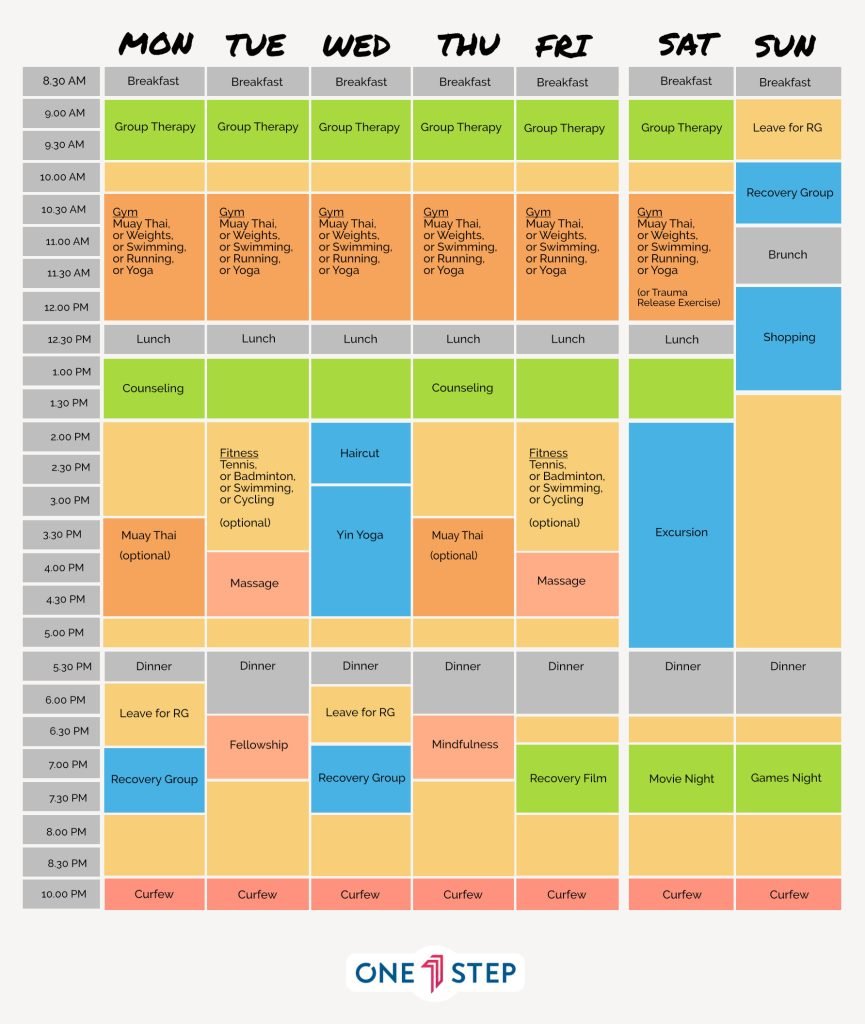
Following detox, you will transition to the residential (inpatient) treatment program. The program duration will usually be 28 days or longer and involves participating in structured daily activities designed to promote recovery. Daily Schedule Thai rehab centers typically provide a structured daily schedule that includes a combination of one-on-one counseling, group therapy, holistic therapies, educational sessions, recreational activities, and personal time. At most rehabs in Thailand, a typical week will include:Meditation or Yoga: Mindfulness practices to promote relaxation and mental clarity. Group Therapy Sessions: Participating in group therapy sessions to share experiences, gain insights, and build a support network with fellow residents. Individual Counseling: One-on-one sessions with a therapist to address personal issues, set goals, and develop coping strategies. Physical Exercise: Engaging in physical activities such as gym workouts, swimming, or outdoor sports to promote physical health. Educational Workshops: Learning about addiction, relapse prevention, and healthy lifestyle choices through educational workshops. Weekend Excursions: These can include elephant camps, temple tours, waterfalls or trips to the beach depending on which rehab you are attending.
Treatment Methods
Thai rehab centers offer a range of treatment modalities to address different aspects of addiction. Common therapies and approaches include: Cognitive Behavioral Therapy (CBT): Structured, goal-oriented therapy that helps you identify and change negative thought patterns and behaviors. Dialectical Behavior Therapy (DBT): Focuses on teaching skills for emotional regulation, distress tolerance, and interpersonal effectiveness. Motivational Interviewing (MI): A collaborative approach that enhances your motivation to change by exploring and resolving ambivalence. 12-Step Programs: Based on the principles of Alcoholics Anonymous (AA), these programs provide a structured framework for recovery through peer support and spiritual principles. Holistic Therapies: Incorporating alternative treatments such as Thai massage therapy, art therapy, and equine therapy to promote overall well-being.Nutritional and Health Support
Proper nutrition and health support are important components of the recovery process. Only a few Thai rehab centers provide quality healthy food (usually luxury treatment providers).Balanced Meals: Well-balanced nutritious meals can support physical health and recovery. At One Step, we provide meals focused on boosting dopamine. Health and Wellness Programs: Activities such as yoga, meditation, fitness training, and relaxation techniques to promote physical and mental well-being.

Accommodation and Facilities
The location and physical environment of a rehab center can significantly impact your recovery experience. Thai rehab centers offer a range of accommodation and amenities to ensure comfort and promote healing from addiction:Accommodation
Private or Shared Rooms: Depending on the facility, you may have the option of private or shared rooms. Most people prefer not to share a room with someone else but may find it to be a more affordable option. Comfortable Furnishings: Rooms are typically furnished with comfortable beds, seating areas, working desk and storage space to create a home-like environment. The standard of accommodation will vary depending on the treatment provider.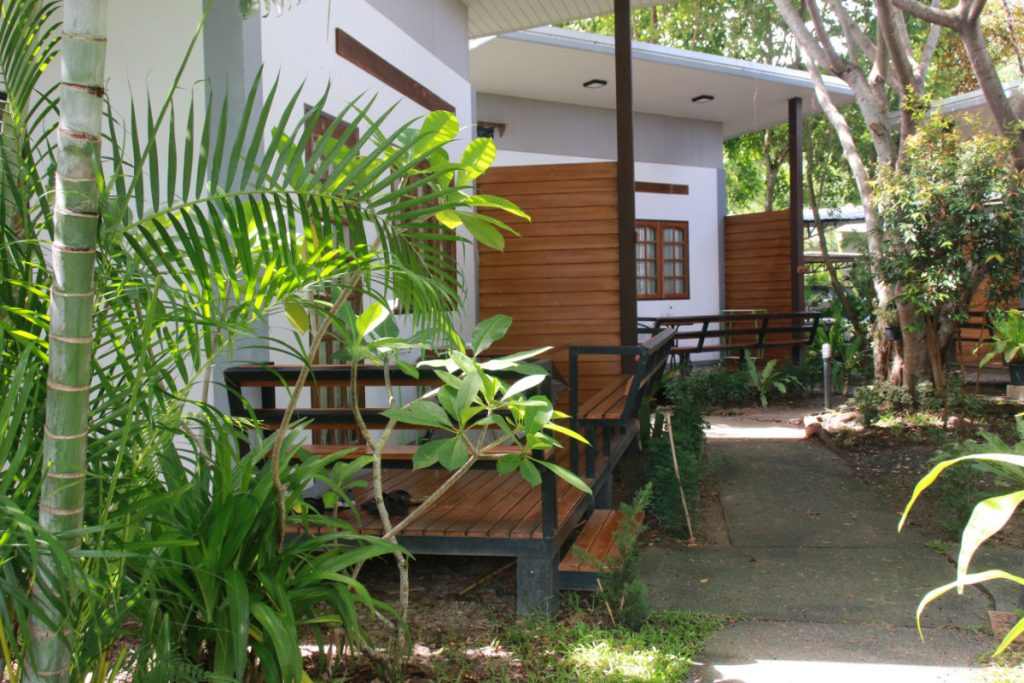
Housekeeping Services: Regular housekeeping services ensure that living spaces are clean and well-maintained. A laundry service should also be included in the cost of treatment.
Facilities
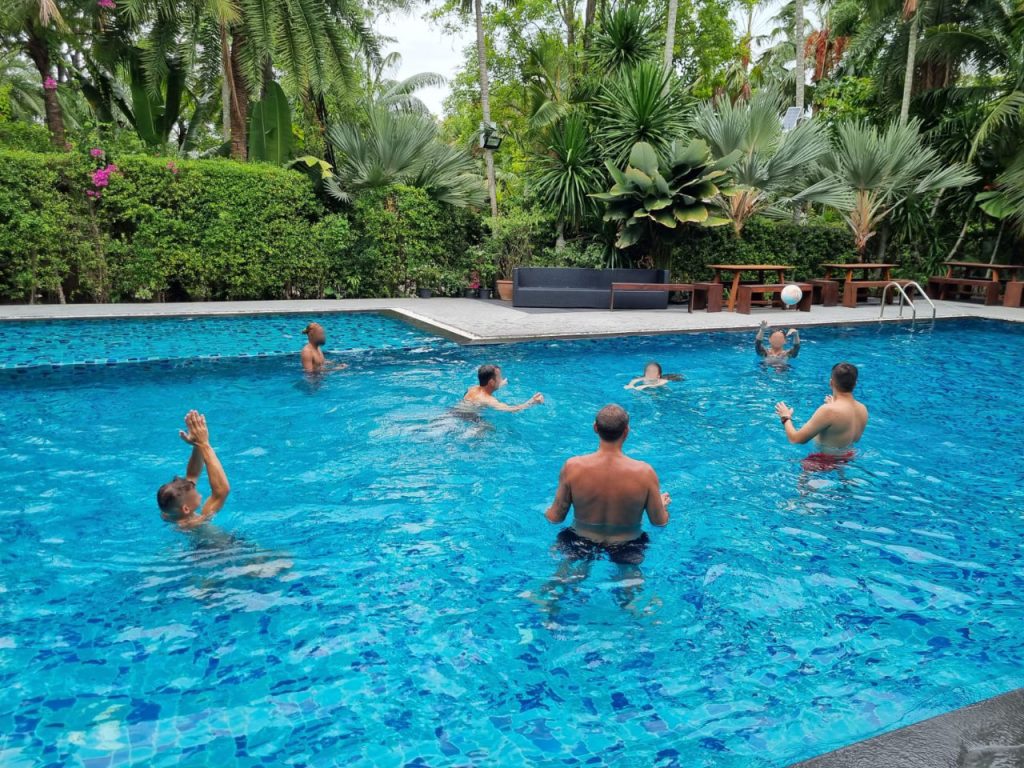
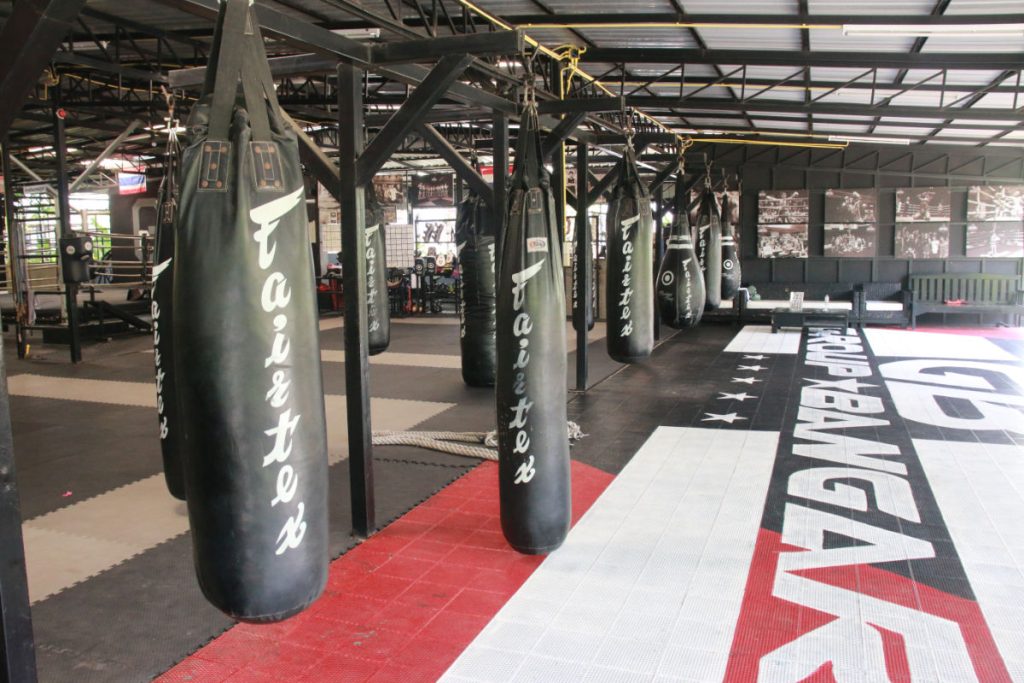
Thai rehab centers provide a variety of facilities and amenities to enhance your stay, such as:Swimming Pool: Access to swimming pools for relaxation and exercise. Fitness Center: Well-equipped gym or fitness centers to support physical health and fitness. Spa Services: On-site spa services such as massages and facials to promote relaxation and well-being. Recreational Areas: Common areas for socializing, watching TV, playing games, or reading.
Holistic Therapies
Holistic and complementary therapies are integral parts of the treatment programs at many Thai rehab centers. These therapies aim to treat the whole person – mind, body, and spirit – and support overall well-being. Common holistic therapies include: Yoga and Meditation: Practices that promote mindfulness, reduce stress, and improve mental clarity. Thai Massage: Traditional Thai massages for increased flexibility, stress reduction and improved digestion. Art Therapy: Using creative expression through painting or drawing to explore emotions and assist healing. Equine Therapy: Interacting with horses to develop trust, empathy, and emotional regulation. Mindfulness and Relaxation Techniques: Practices that help you stay present, manage stress, and enhance emotional well-being.Recreational Activities
Recreational activities and excursions provide opportunities for relaxation, enjoyment, and personal growth. Thai rehab centers offer a variety of activities such as:Local Cultural Experiences: Participating in local traditions, Thai cooking classes, local markets, and temple tours to gain cultural insights and enrich the recovery experience. Outdoor Activities: Enjoying Thailand’s natural beauty through activities like hiking, swimming, beach outings, cycling, and waterfalls. At One Step, we make the most of our location in Chiang Mai with an exciting range of weekend excursions that include ethical elephant sanctuaries, hot springs, and waterparks.