

Addiction and Dopamine in the Digital Age
You’ve probably interacted with the screen of a digital device multiple times today, responding to message notifications, emails or mindless social media scrolling. You might wonder why it can be so hard to stop checking your phone. The answer lies deep within our brains with a neurotransmitter called dopamine.
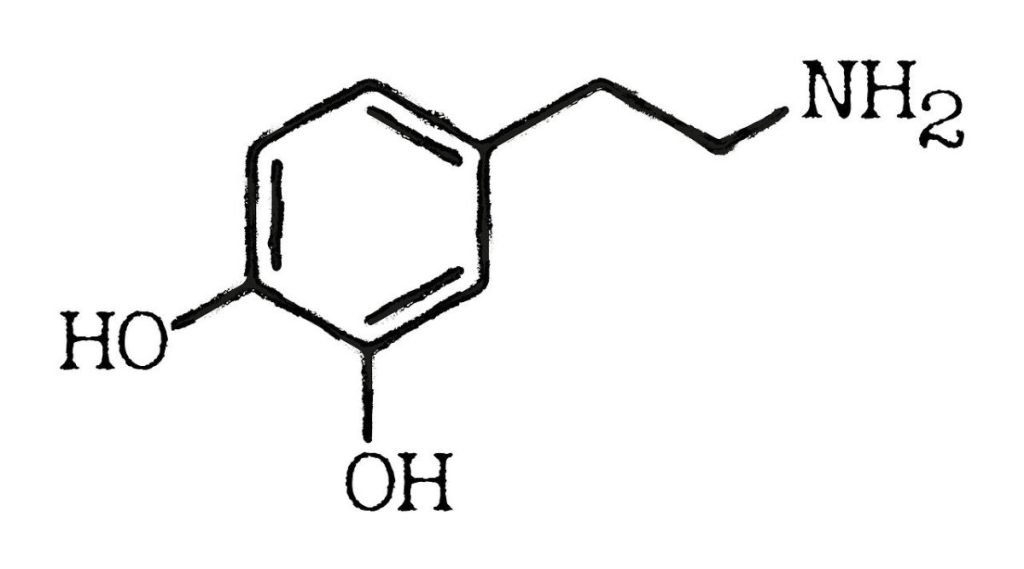
Dopamine: The Reward Chemical
Dopamine plays a key role in the brain’s reward center, increasing with the anticipation and receipt of a reward. Pleasures such as eating chocolate, drinking alcohol, or engaging in sex are all liked to dopamine. After receiving a ‘reward’, a temporary dip in dopamine can trigger a craving for more. For most people, the brain quickly normalizes dopamine levels, allowing logical thinking to resume, like deciding to stop drinking alcohol when you need to drive home safely. For people with addictions such as substance use disorders or behavioral addictions, the unnaturally increased flow of dopamine creates a stronger pull and a more intense crash when the addictive stimulus is unavailable. It is this destructive cycle that makes dopamine a critical factor in the development of addictions.The Rise of the Digital Dopamine Addict
Dopamine’s link to technology is significant. The rate of media consumption has drastically increased in recent years with so much of our lives revolving around entertainment and validation – both of which stimulate the brain’s reward center. Modern technology provides almost limitless opportunities for immediate gratification, with just a click, swipe, or scroll. Features like autoplay and ever advancing algorithms can lead to hours of passive consumption without effort.While smartphones do not produce the same dopamine levels as drugs or alcohol, they are always accessible. Many of us have experienced losing track of time while browsing through online content. The constant availability of games, shopping, porn, and social media keeps us in a state of anticipation – and seeking the next dopamine hit.

A Digital Dopamine Detox
A ‘dopamine detox’ restores the brain’s natural dopamine levels, improving attention span, sleep quality, productivity, creativity, and problem-solving abilities. By promoting healthy stress relief methods like mindfulness and exercise, we can restore the bodies natural balance. Nutrition is also an important factor. The dopamine diet at One Step is designed to assist with recovery from addictions by boosting dopamine levels as part of a comprehensive treatment program.Reducing Our Reliance on Digital Devices
While a detox from drugs or alcohol involves medical supervision due to the risk of physical withdrawal symptoms, a digital dopamine detox involves abstaining from digital devices. Some guidelines include:- Setting a schedule for phone use outside work hours
- Eliminating device use during meals, social events, and before bed
- Disabling non-essential notifications
- Deleting social media apps
A digital detox can last from days to weeks, with the first 12 hours often being the hardest. Initial withdrawal symptoms like anxiety and stress will ease over time as dopamine levels normalize.
Digital Addiction Treatment in Thailand
One Step Rehab offers a unique and affordable inpatient addiction treatment experience focused on person-centered recovery. With a professional clinical team experienced in the delivery of custom treatment plans for digital addictions, we provide mental, emotional, and physical healing through behavioral therapies, fitness, mindfulness and yoga. From our addiction treatment center in Northern Thailand, you can unplug and relax during your free time with resort amenities that include a swimming pool, extensive gym, Muay Thai fitness center and badminton court.
Dopamine Boosting Therapies at One Step Rehab in Thailand
- Intensive Fitness Programs
- The Dopamine Diet
- Nutraceutical Therapy
Please contact us for more information about our proven addiction treatment program or to learn how we can assist you or a loved one with recovery.