

Opioid Rehab & Detox Treatment in Thailand
Medically Supervised Treatment for Opioid & Opiate Addiction
- Medically Supervised Detox
- CBT & Evidence-Based Psychotherapy
- Holistic Therapies (Yoga, Meditation, Fitness)
- 12 Months Ongoing Aftercare
Available 24/7 | 100% Confidential
Get Confidential HelpOpioids promise relief from pain, but create a prison of dependence. Recovery begins when you choose freedom over numbness and start rebuilding a life worth feeling.
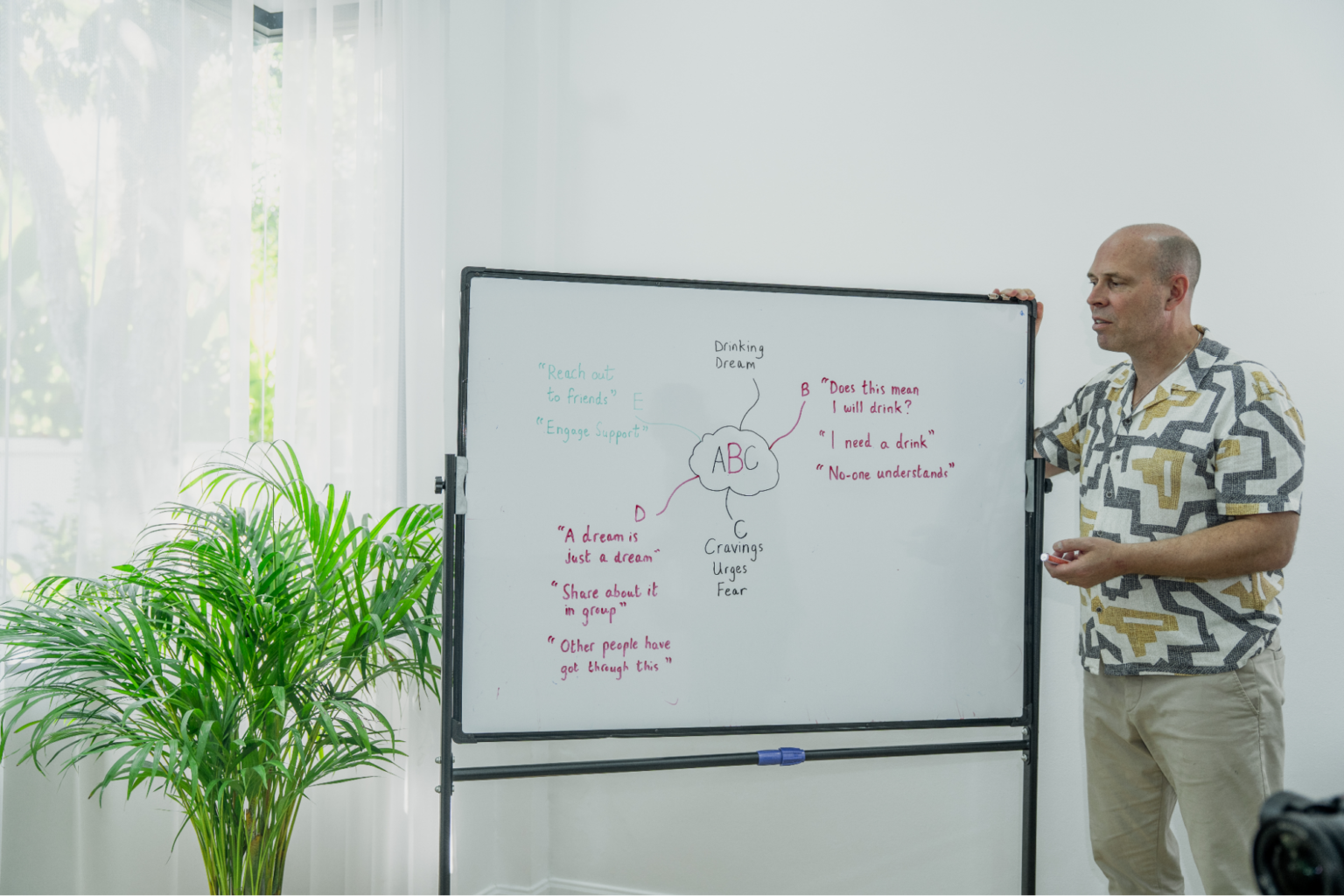
Understanding Opioid Addiction
Opioids and opiates are terms often used interchangeably, but they are not identical. Opiates refer specifically to naturally derived substances from the opium poppy, such as morphine and heroin. Opioids is the broader term and includes both natural opiates and synthetic or semi-synthetic drugs such as fentanyl, methadone, oxycodone, and tramadol. Opioids act primarily on mu-opioid receptors in the brain and spinal cord. These receptors regulate pain perception, reward, and breathing. When activated, opioids produce pain relief, sedation, and in many cases, intense euphoria. With repeated use, the brain reduces natural endorphin production and receptor sensitivity. This leads to tolerance and physical dependence. Over time, the body requires opioids simply to function normally.
Signs and Symptoms of Opioid Dependence
Recognising opioid addiction early is critical due to overdose risk. Opioid addiction is primarily physical in its early stages but becomes deeply psychological over time. Structured opioid addiction treatment is often necessary to break this cycle safely.
Physical Warning Signs
Psychological & Behavioral
Why Professional Opioid Rehab Works
Opioid addiction often involves negative routines, environments, and social networks. A residential treatment centre interrupts these patterns while providing medical supervision during the critical withdrawal phase. Relapse during withdrawal significantly increases overdose risk due to reduced tolerance.
Quitting Alone at Home
- Intensely uncomfortable withdrawal without medical support
- High risk of relapse and potentially fatal overdose
- Easy access to triggers, dealers, and social circles
- Underlying psychological issues remain untreated
- No structured relapse prevention planning
Opioid Rehab in Thailand
- Medical assessment, monitoring, and psychiatric oversight
- Safe, structured environment away from triggers
- CBT, trauma-informed therapy, and relapse prevention
- Natural endorphin restoration through fitness and nutrition
- Longer stays ensure robust recovery before discharge
Structured Residential Treatment
Once stabilised, our focus with clients withdrawing from opioids is to shift them towards long-term behavioural change. Inpatient opioid rehab provides reduced access to drugs, a predictable daily routine, one-to-one therapy, structured group therapy, and peer accountability.
Detox & Stabilisation
Medical assessment and monitoring, psychiatric oversight, managing acute withdrawal safely in a structured environment.
- Medical assessment and monitoring
- Psychiatric oversight
- Safe withdrawal management
Psychological Rehabilitation
Evidence-based therapy addressing the behavioural and emotional patterns that sustain opioid addiction.
- CBT & trauma-informed therapy
- Relapse-prevention planning
- Recovery Zones method
Lifestyle & Aftercare
Natural endorphin restoration, fitness programme, and comprehensive aftercare planning for sustained recovery.
- Endorphin restoration through fitness
- Nutritional rehabilitation
- 12 months free online therapy
Our Recovery Zones framework structures therapy to target compulsive patterns, emotional dysregulation, and dysfunctional coping strategies step by step. Longer treatment stays are imperative to ensure robust recovery before discharge.
What Our Clients Say
Real stories from people who have transformed their lives at One Step Rehab
One Step Rehab truly changed my outlook on life after recently spending 6 proactive and fulfilling weeks at One Step, Chiang Mai. I received first-class counselling and advice throughout my stay, delivered with care, insight, and real expertise.
To all the amazing staff at one step. Thank you for helping me through my toughest days. Your program has given me hope and a fighting chance to remain sober a facilities. Friendly and experienced counsellors will help you achieve sobriety if you let them.
I sent my son to One Step Thailand when we were looking for a rehab program that could support both his recovery and his passion for fitness. The well-equipped training facility was a huge factor for us, and it turned out to be just as important to his progress as the therapy itself.
I recently spent 4 months at One Step and can honestly say it was one of the best decisions I ever made. I initially planned to stay for 1-2 months but the program and quality of care impressed me so much that I decided to extend and really try and get the most professional input and clean time under my belt as possible.
I spent 5 weeks in treatment at One Step, I was originally meant to stay for 4 weeks however I needed more and could have stayed for 6, I personally think 6 should be minimum. The reason being, there is so much to take in and learn, adapt to and I only started to really feel a change in my brain on the 4th week.
I had an incredible experience at One Step Rehab. From the moment I arrived, I felt genuinely cared for and supported. The group sessions provided a sense of community and understanding, while the one-on-one counseling sessions allowed me to dive deeper into my personal journey with the help of compassionate and knowledgeable staff.
Opioid Detox and Stabilisation
Opioid withdrawal is rarely life-threatening, but it can be intensely uncomfortable and medically destabilising without supervision. Unlike benzodiazepine withdrawal, opioid detox does not typically involve seizure risk. However, relapse during withdrawal significantly increases overdose risk due to reduced tolerance.
In our inpatient opioid rehab programme, stabilisation includes medical assessment and monitoring, and psychiatric oversight. The overall goal is to manage acute withdrawal safely while preparing for intensive behavioural rehabilitation.
Opioid Withdrawal Symptoms Include
- Severe muscle aches
- Nausea and vomiting
- Diarrhoea
- Sweating and chills
- Strong cravings
- Anxiety and restlessness
Our Team
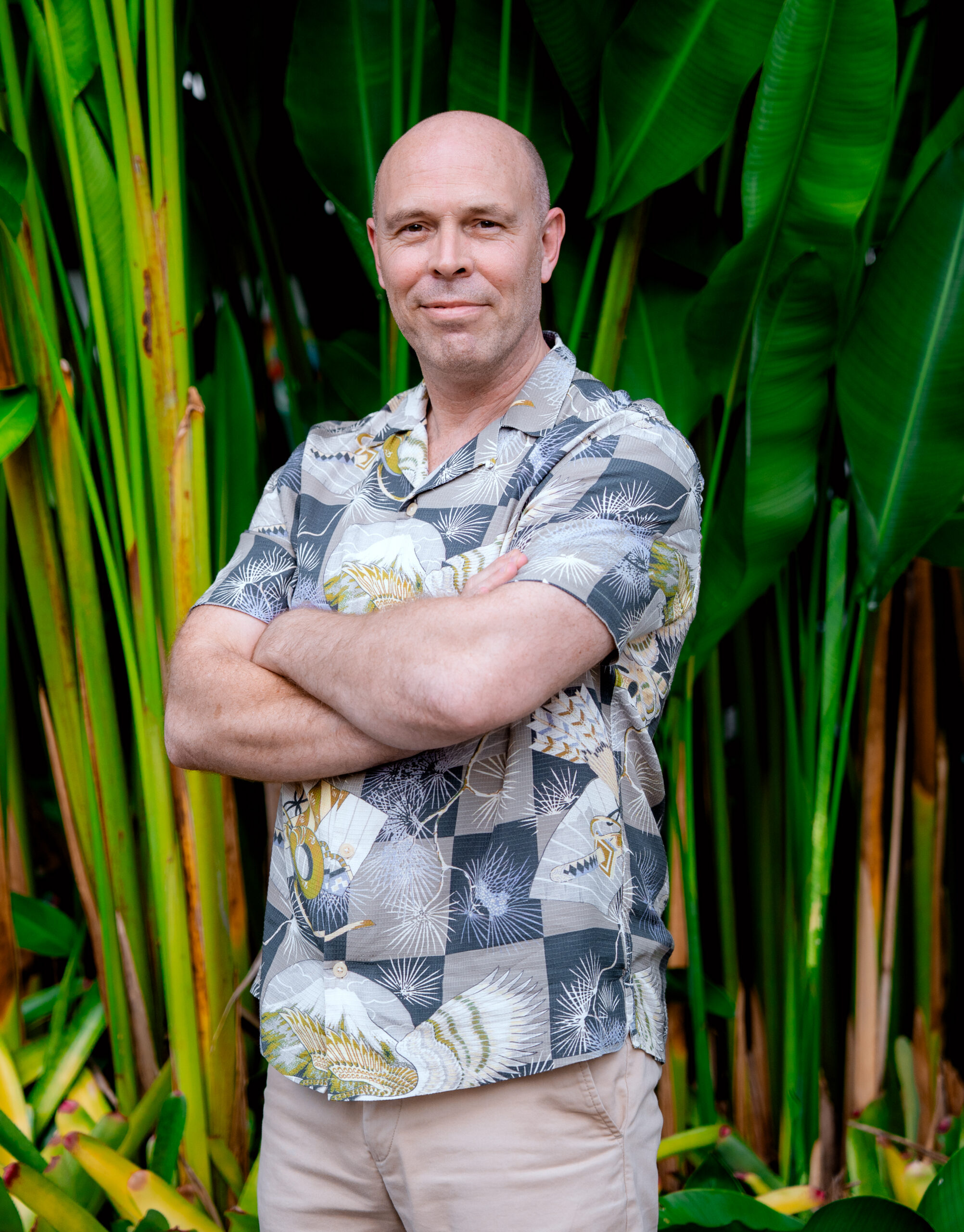
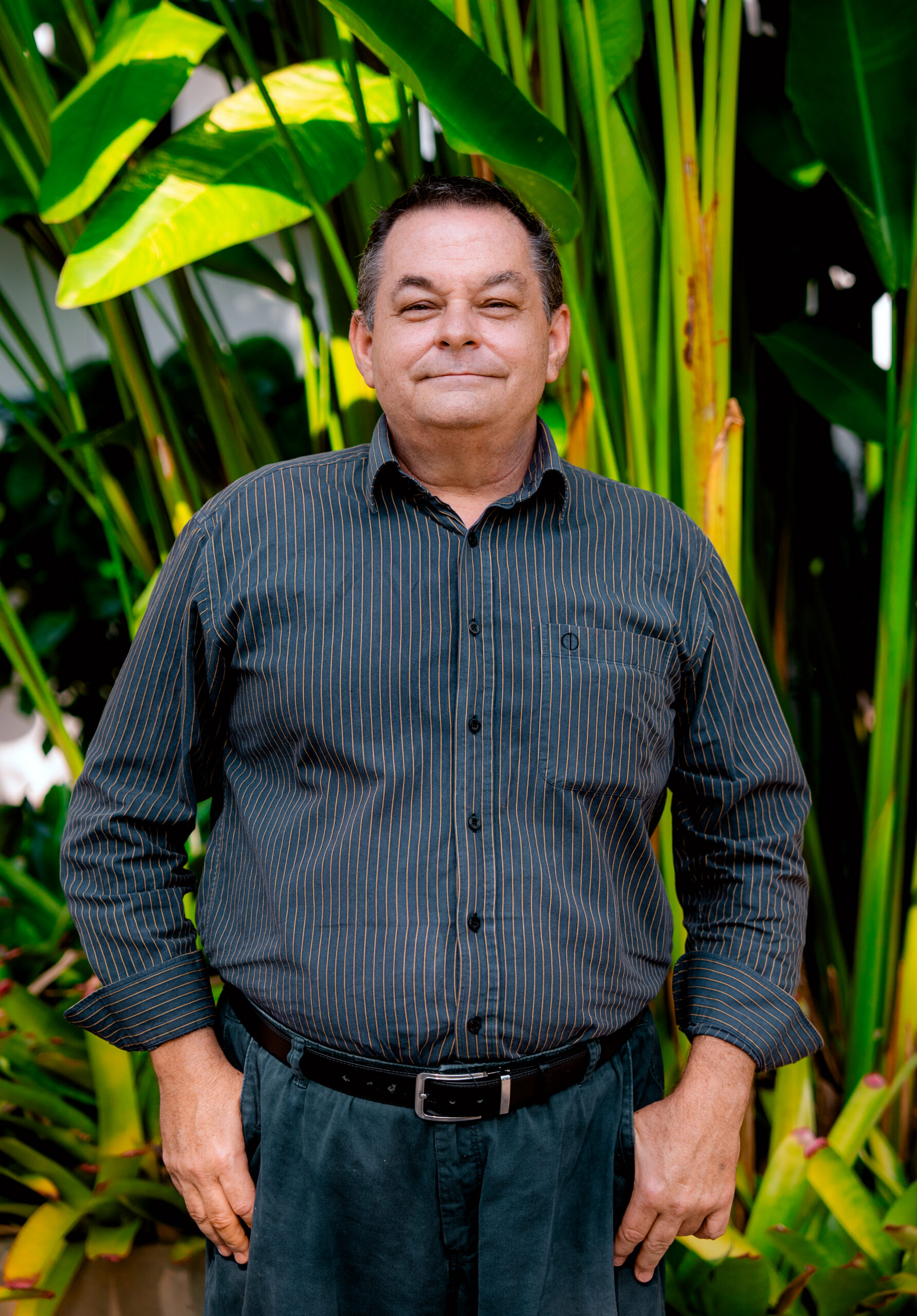
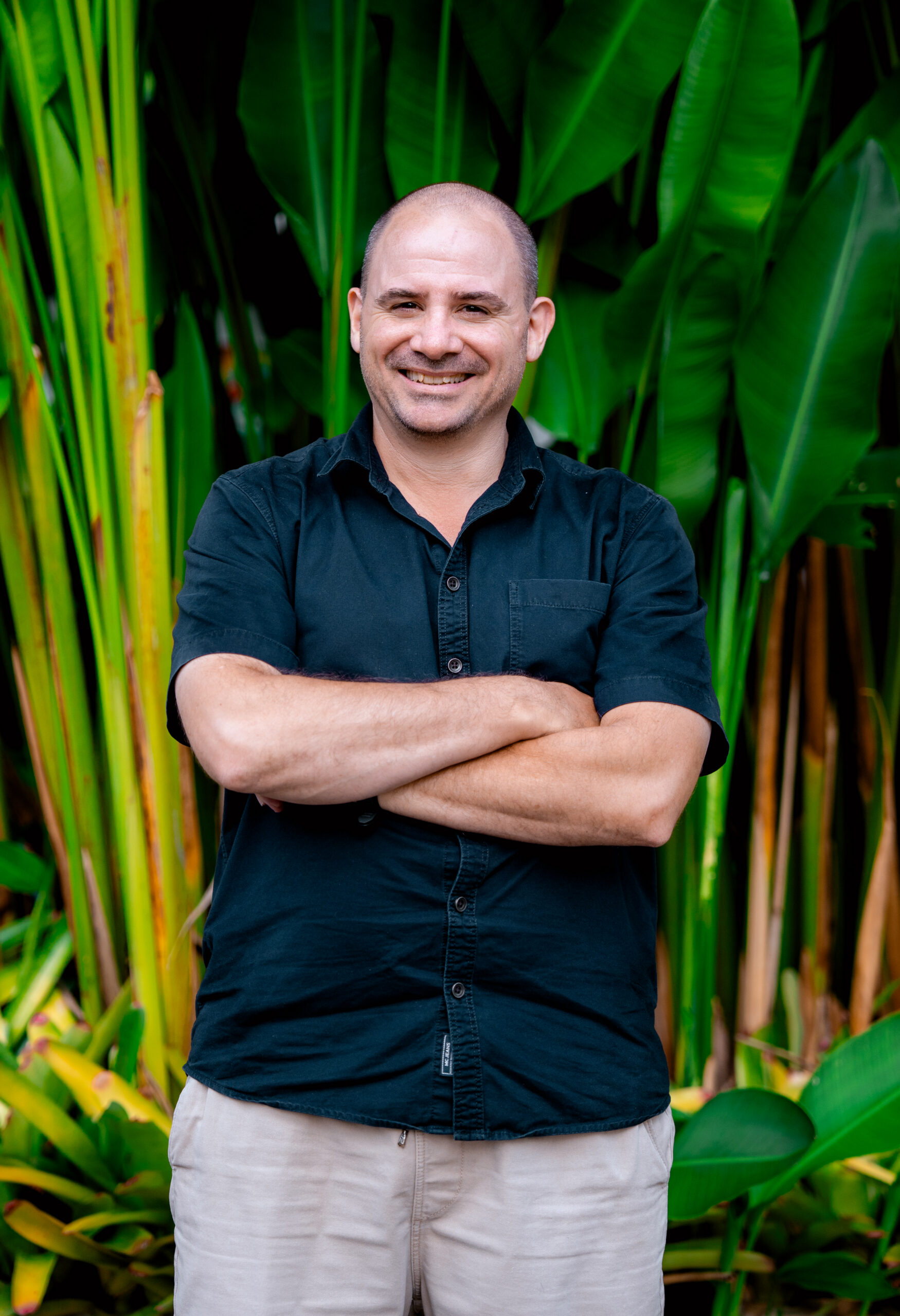
Meet the team of counsellors, psychologists, and recovery coaches that will deliver all the skills you need to attain long lasting recovery from addiction.

Evidence-Based Therapy for Opioid Addiction
While opioid detox addresses physical dependence, therapy addresses the behavioural and emotional patterns that sustain addiction. Many individuals with heroin addiction or fentanyl dependence have experienced traumatic stress, chronic stress, or untreated mental health conditions.
Effective treatment addresses these drivers alongside abstinence. Our Recovery Zones framework structures therapy to target compulsive patterns, emotional dysregulation, and dysfunctional coping strategies step by step.

Cognitive Behavioural Therapy (CBT)
Identifying triggers and high-risk thought patterns that lead to opioid use and relapse.
Relapse-Prevention Planning
Managing cravings and environmental cues, building skills to maintain long-term recovery.
Trauma-Informed CBT
Addressing traumatic stress and chronic stress that often underlies opioid addiction.
Recovery Zones Method
Our signature framework targeting compulsive patterns, emotional dysregulation, and dysfunctional coping.
Get Professional Help at Our Affordable Rehab Center in Thailand
Get Confidential HelpHolistic and Lifestyle Interventions
Long-term opioid use disrupts energy levels, sleep, and emotional resilience. Holistic therapy supports nervous system stabilisation alongside psychotherapy. We integrate holistic therapies when they are consistent with the evidence base and beneficial for recovery.
The Dopamine Diet
Chronic opioid use suppresses natural endorphin production and alters reward sensitivity. Our nutrition programme emphasises stable blood sugar regulation, adequate protein intake, micronutrient-rich whole foods, and consistent meal timing. We call this nutritional strategy the dopamine diet—an evidence-informed way of eating that supports neurological repair during early recovery.
- Whole foods emphasising adequate protein and micronutrients
- Stable blood sugar to reduce cravings
- Fuel the body to train, think clearly, and sleep well
- Stabilise the reward system and reduce emotional volatility

Proper nutrition helps stabilize the reward system, reduces emotional volatility, and gives the body the fuel it needs to train, think clearly, and sleep well.
Fitness and Recovery
Exercise plays an important role in opioid addiction treatment. Physical activity stimulates natural endorphin release, which offsets the low mood often experienced by people withdrawing from opioids. Regular physical exercise is one of the most powerful natural ways to support neurological recovery.
- Increases dopamine and endorphin release
- Improves dopamine receptor function
- Reduces cravings and improves mood
- Supports better sleep and stress tolerance

We frame this as a clinical exercise prescription, not boot-camp punishment. In-house training sessions, including Muay Thai, circuit training, and weight lifting, are designed to be safe and graded to your physical abilities.
Holistic Therapies
At One Step Rehab Thailand, we integrate holistic therapies when they are consistent with the evidence base and beneficial for recovery. Common elements of holistic addiction treatment for opioids include:
- Mindfulness and meditation: Improving attention and interoceptive awareness
- Outdoor therapy: Time in nature, such as hiking
- Sleep optimisation: Circadian stabilisation and pre-sleep rituals
- Body-based practices: Yoga, stretching, and somatic awareness
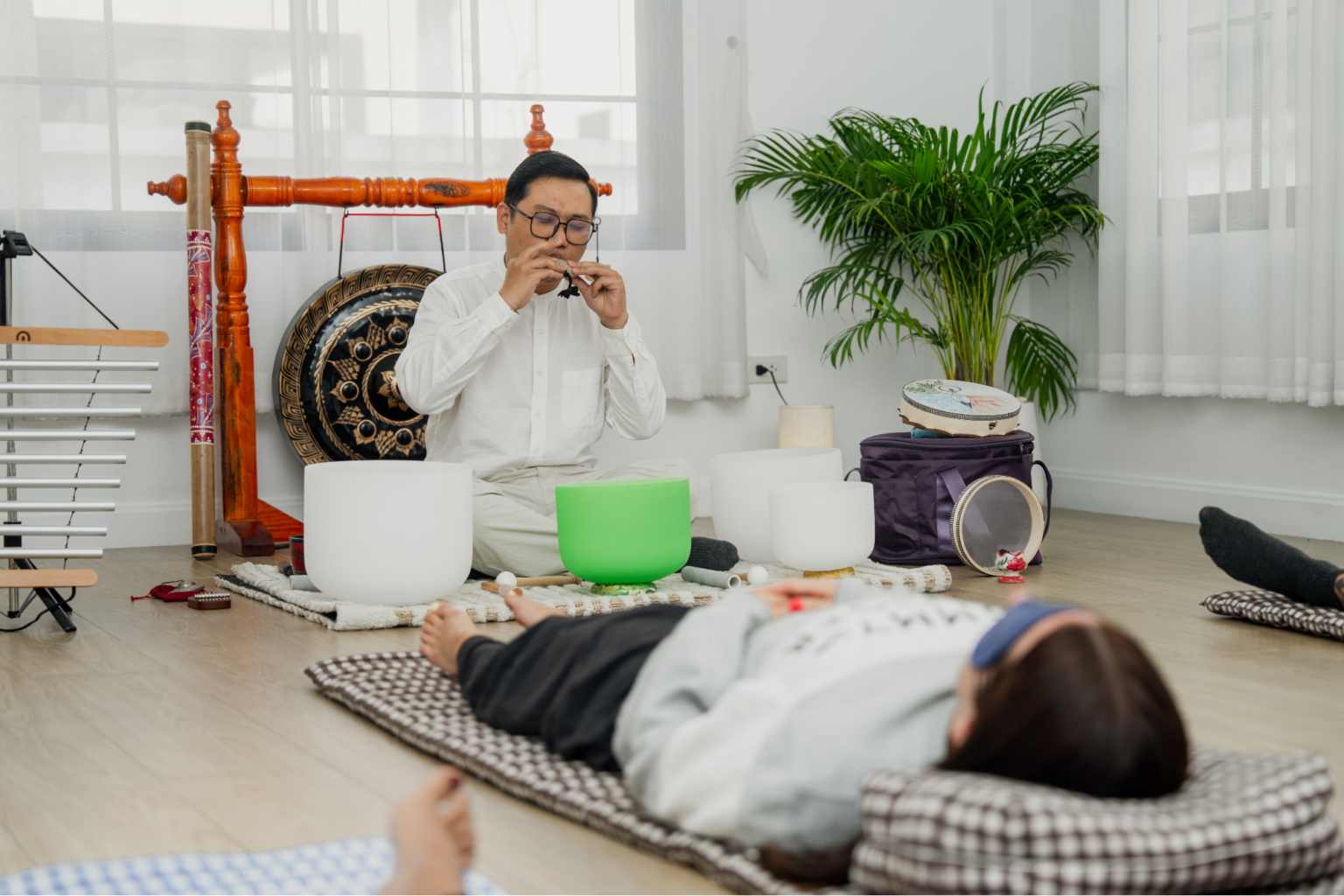
These interventions complement evidence-based therapy, giving you practical tools for managing stress and cravings long after you leave treatment.
If you or a loved one is struggling with opioid addiction, help is available. Speak with one of our admissions specialists today.
Get in Touch


Life at Our Rehab Center
Opioid addiction often involves negative routines, environments, and social networks. A residential treatment centre interrupts these patterns by providing a safe, structured environment away from triggers. Inpatient opioid rehab in Thailand provides a controlled environment where detox and rehabilitation can be managed safely.
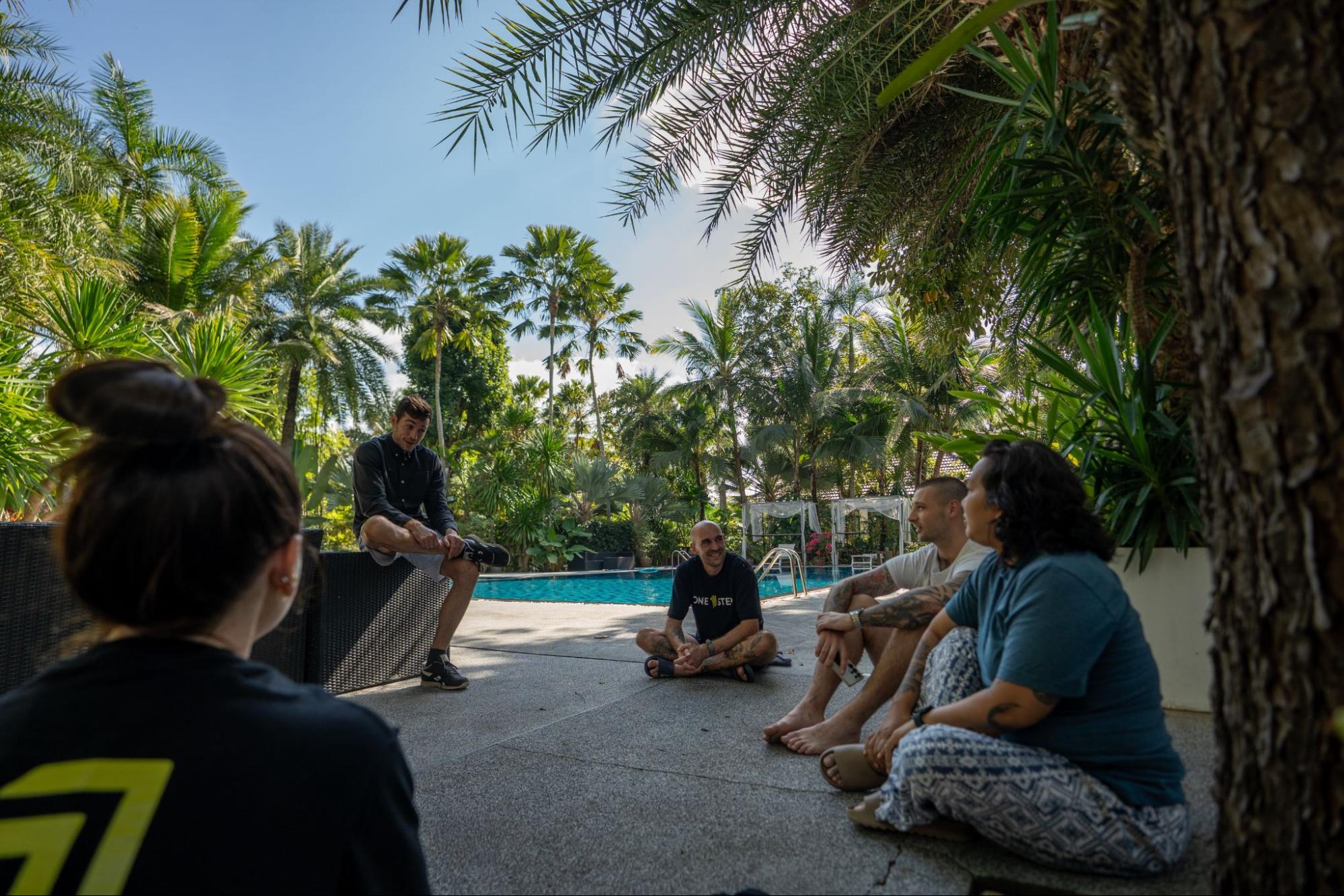
At One Step Rehab in Chiang Mai, you'll find a peaceful sanctuary where world-class treatment meets resort-style comfort—far from the triggers, dealers, and social situations that sustained your opioid use.
Our facilities include a professional Muay Thai boxing camp with 4 champion coaches, an extensive gym with machines and free weights, a 20-metre pool for laps, soccer pitch, pickleball court, and scenic tracks for running and cycling through the Thai countryside.



Aftercare and Continuing Support
Detox and residential treatment are just the beginning. Long-term recovery from opioid addiction depends on maintaining structure, accountability, and connection. At One Step Rehab, we provide comprehensive aftercare services, including:
- Online group therapy (free for 12 months)
- Relapse prevention plan for discharge
- Support groups or therapists arranged in your home community
- Referrals to community-based counselling or sober living programs
Our goal is to ensure every client leaves treatment with a concrete plan for continued support and sustainable addiction recovery.
Opioid Types We Treat
The five most common opioids we treat differ in important ways, but all share a common risk: progressive tolerance, physical withdrawal, and overdose.
Heroin
Heroin is an illegal opiate derived from morphine. It produces rapid euphoria when injected or smoked and carries a high risk of overdose, particularly due to contamination with fentanyl.
Fentanyl
Fentanyl is a fully synthetic opioid that is significantly more potent than morphine. It is used medically for severe pain but is now widely found in illicit drug supplies, dramatically increasing overdose risk.
Methadone
Methadone is a long-acting synthetic opioid used for pain management and medication-assisted treatment. While used as a substitute drug for heroin addicts, it can itself lead to dependence and requires careful tapering.
Tramadol
Tramadol is a weaker synthetic opioid prescribed for moderate pain. It also affects serotonin and norepinephrine, which can complicate withdrawal despite its reputation as a milder medication.
Oxycodone
Oxycodone is a semi-synthetic opioid prescribed for moderate to severe pain. Although medically legitimate, it can lead to tolerance and physical dependence with prolonged use, producing classic opioid withdrawal symptoms if stopped abruptly.
Despite their differences in potency and legal status, all opioids share a common risk: progressive tolerance, physical withdrawal, and overdose. Inpatient opioid rehab in Thailand provides a controlled environment where detox and rehabilitation can be managed safely.
Frequently Asked Questions About Opioid Rehab
Common questions about opioid addiction treatment, withdrawal, and recovery at One Step Rehab Thailand.
Opioid withdrawal typically begins within 8-24 hours after the last dose for short-acting opioids like heroin, or 24-48 hours for longer-acting opioids like methadone. Acute physical symptoms usually peak within 1-3 days and subside over 5-7 days. However, psychological symptoms such as cravings, anxiety, and sleep disturbances can persist for weeks or months, which is why longer treatment stays are imperative to ensure robust recovery before discharge.
Opioid withdrawal is rarely life-threatening, but it can be intensely uncomfortable and medically destabilising without supervision. Unlike benzodiazepine withdrawal, opioid detox does not typically involve seizure risk. However, relapse during withdrawal significantly increases overdose risk due to reduced tolerance. This is why medically supervised detox in a structured environment is strongly recommended.
Opiates refer specifically to naturally derived substances from the opium poppy, such as morphine and heroin. Opioids is the broader term and includes both natural opiates and synthetic or semi-synthetic drugs such as fentanyl, methadone, oxycodone, and tramadol. At One Step Rehab, we treat all forms of opioid and opiate addiction using evidence-based protocols.
Our inpatient opioid rehab programme includes medical assessment and monitoring, and psychiatric oversight during the stabilisation phase. The goal is to manage acute withdrawal safely while preparing for intensive behavioural rehabilitation. We focus on managing physical symptoms like severe muscle aches, nausea, and cravings in a structured, supportive environment.
For opioid addiction, longer treatment stays are imperative to ensure robust recovery before discharge. We typically recommend a minimum of 6-8 weeks in residential treatment. Opioid addiction is primarily physical in its early stages but becomes deeply psychological over time, requiring comprehensive treatment to address both aspects. The exact duration depends on your individual situation and is assessed during your initial consultation.
Yes. One Step Rehab provides comprehensive treatment for all types of opioid addiction, including heroin, fentanyl, methadone, tramadol, and oxycodone. Fentanyl is particularly dangerous due to its extreme potency, and heroin now frequently contains fentanyl contamination. Our treatment approach addresses the specific challenges of each substance while following evidence-based protocols.
Evidence-based therapy for opioid addiction at One Step Rehab includes Cognitive Behavioural Therapy (CBT) for identifying triggers and high-risk thought patterns, relapse-prevention planning for managing cravings and environmental cues, trauma-informed CBT where relevant, and motivational enhancement work. Our Recovery Zones framework structures therapy to target compulsive patterns, emotional dysregulation, and dysfunctional coping strategies.
Relapse during or after opioid withdrawal significantly increases overdose risk due to reduced tolerance. When someone stops using opioids, their body's tolerance drops rapidly. If they then use the same dose they were taking before, it can easily cause a fatal overdose. This is why comprehensive treatment with strong relapse prevention planning is essential for opioid recovery, and why we emphasise longer treatment stays.
You don't have to face opioid addiction alone. Our experienced team is ready to answer your questions, discuss your situation, and help you understand your treatment options—with no pressure or obligation.
We'll respond within 24 hours