

Meth Rehab & Detox Treatment in Thailand
Evidence-Based Treatment for Methamphetamine & Ice Addiction
- Structured Residential Programme
- Matrix Model & CBT Therapy
- Holistic Therapies (Yoga, Meditation, Fitness)
- 12 Months Ongoing Aftercare
Available 24/7 | 100% Confidential
Get Confidential HelpMeth promises endless energy and invincibility, but leaves behind exhaustion, paranoia, and isolation. Recovery begins when you decide to stop burning out and start rebuilding a life worth living.
Understanding Meth and Ice Addiction
Methamphetamine is a powerful and addictive stimulant that affects the central nervous system. The drug produces an intense rush of euphoria, heightened energy, and a sense of confidence. Both "meth" and "ice" refer to methamphetamine, but ice typically describes the crystalline, highly purified form of the drug. Crystal meth is smoked or vaporized, producing a faster, more intense high, which also makes it more addictive. Like other stimulants, meth addiction develops quickly because the drug floods the brain with dopamine, a neurotransmitter responsible for reward and motivation. Tolerance develops rapidly, leading users to increase doses dangerously to chase the same effect.
Signs and Symptoms of Methamphetamine Addiction
Recognising methamphetamine addiction early is crucial. Because tolerance develops rapidly, users often increase doses dangerously to chase the same effect. Common warning signs include:
Physical Symptoms
Psychological & Behavioral
Why Professional Meth Rehab Works
Meth addiction is not a matter of willpower; it is a chronic brain disorder that requires structured rehabilitation. Research consistently shows that stimulant withdrawal requires structured behavioural therapy, rather than purely medical detoxification.
Quitting Alone at Home
- Same environment keeps you trapped in habitual routines
- Easy access to triggers, dealers, and social circles
- Cravings remain strong for weeks or months without therapy
- High-risk window for relapse during crash phase
- No relapse prevention planning
Meth Rehab in Thailand
- Distance, peace, and reduced sensory noise
- Structured behavioural therapy (Matrix Model, CBT)
- Medical supervision during crash phase
- Fitness, outdoor training, and dopamine-boosting nutrition
- Clear relapse prevention planning and 12-month aftercare
Structured Residential Treatment
Research consistently shows that stimulant withdrawal requires structured behavioural therapy, rather than purely medical detoxification. Without behavioural therapy, cravings can remain strong, often for weeks or months. This creates a high-risk window for relapse, which is why inpatient treatment is better than trying to get clean at home.
Detox & Stabilisation
Managing the "crash" phase with medical supervision, nutrition and hydration, and psychiatric evaluation.
- Crash phase support
- Good nutrition and hydration
- Psychiatric evaluation
Psychological Rehabilitation
Matrix Model, CBT, and group therapy to address the thought patterns and behaviours that sustain meth addiction.
- Matrix Model elements
- Recovery Zones method
- Individual & group therapy
Lifestyle & Aftercare
Dopamine restoration through fitness, nutrition, relapse prevention planning, and 12-month online therapy.
- Dopamine-boosting nutrition
- Clinical exercise prescription
- 12 months free aftercare
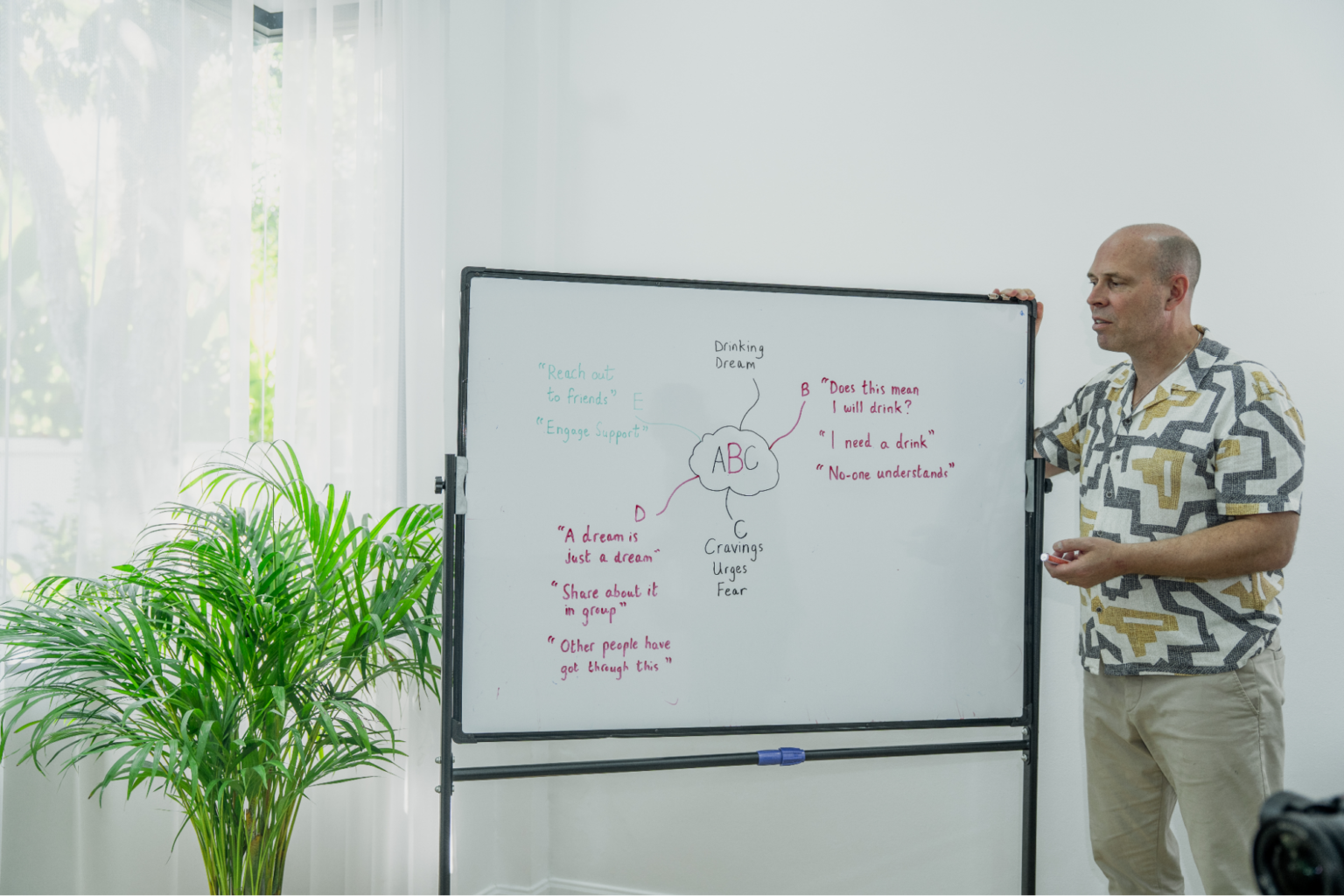
At One Step Rehab we incorporate CBT and Matrix elements into every stage of treatment, through our signature treatment method, Recovery Zones. This approach uses mind-mapping, a way of telling your story in short manageable chunks.
What Our Clients Say
Real stories from people who have transformed their lives at One Step Rehab
One Step Rehab truly changed my outlook on life after recently spending 6 proactive and fulfilling weeks at One Step, Chiang Mai. I received first-class counselling and advice throughout my stay, delivered with care, insight, and real expertise.
To all the amazing staff at one step. Thank you for helping me through my toughest days. Your program has given me hope and a fighting chance to remain sober a facilities. Friendly and experienced counsellors will help you achieve sobriety if you let them.
I sent my son to One Step Thailand when we were looking for a rehab program that could support both his recovery and his passion for fitness. The well-equipped training facility was a huge factor for us, and it turned out to be just as important to his progress as the therapy itself.
I recently spent 4 months at One Step and can honestly say it was one of the best decisions I ever made. I initially planned to stay for 1-2 months but the program and quality of care impressed me so much that I decided to extend and really try and get the most professional input and clean time under my belt as possible.
I spent 5 weeks in treatment at One Step, I was originally meant to stay for 4 weeks however I needed more and could have stayed for 6, I personally think 6 should be minimum. The reason being, there is so much to take in and learn, adapt to and I only started to really feel a change in my brain on the 4th week.
I had an incredible experience at One Step Rehab. From the moment I arrived, I felt genuinely cared for and supported. The group sessions provided a sense of community and understanding, while the one-on-one counseling sessions allowed me to dive deeper into my personal journey with the help of compassionate and knowledgeable staff.
Meth Detox and Stabilisation
Unlike other drug addictions, methamphetamine addiction rarely involves a dangerous physical detox. Instead, users experience what is known as a "crash," a sharp drop in energy and mood as the brain's dopamine stores are depleted. The crash typically begins within 24 hours of the last use of the drug and may last several days.
During meth detox, clients in treatment receive medical supervision, good nutrition and hydration, psychiatric evaluation, and emotional support.
Common Crash Symptoms Include
- Extreme fatigue and oversleeping
- Intense depression or anhedonia
- Hunger, dehydration, and irritability
- Strong cravings for meth
- Temporary cognitive "fog" or confusion
Our Team
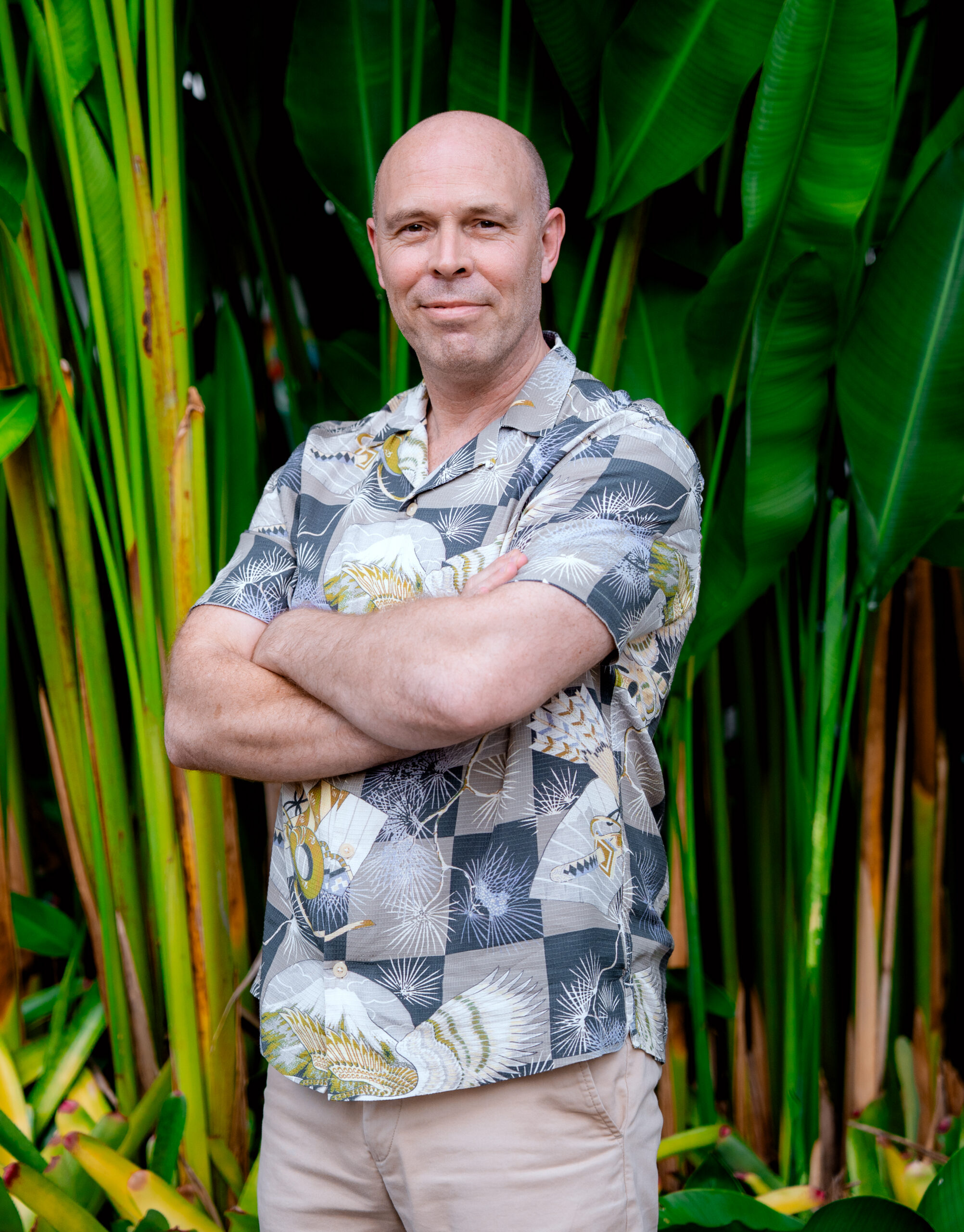
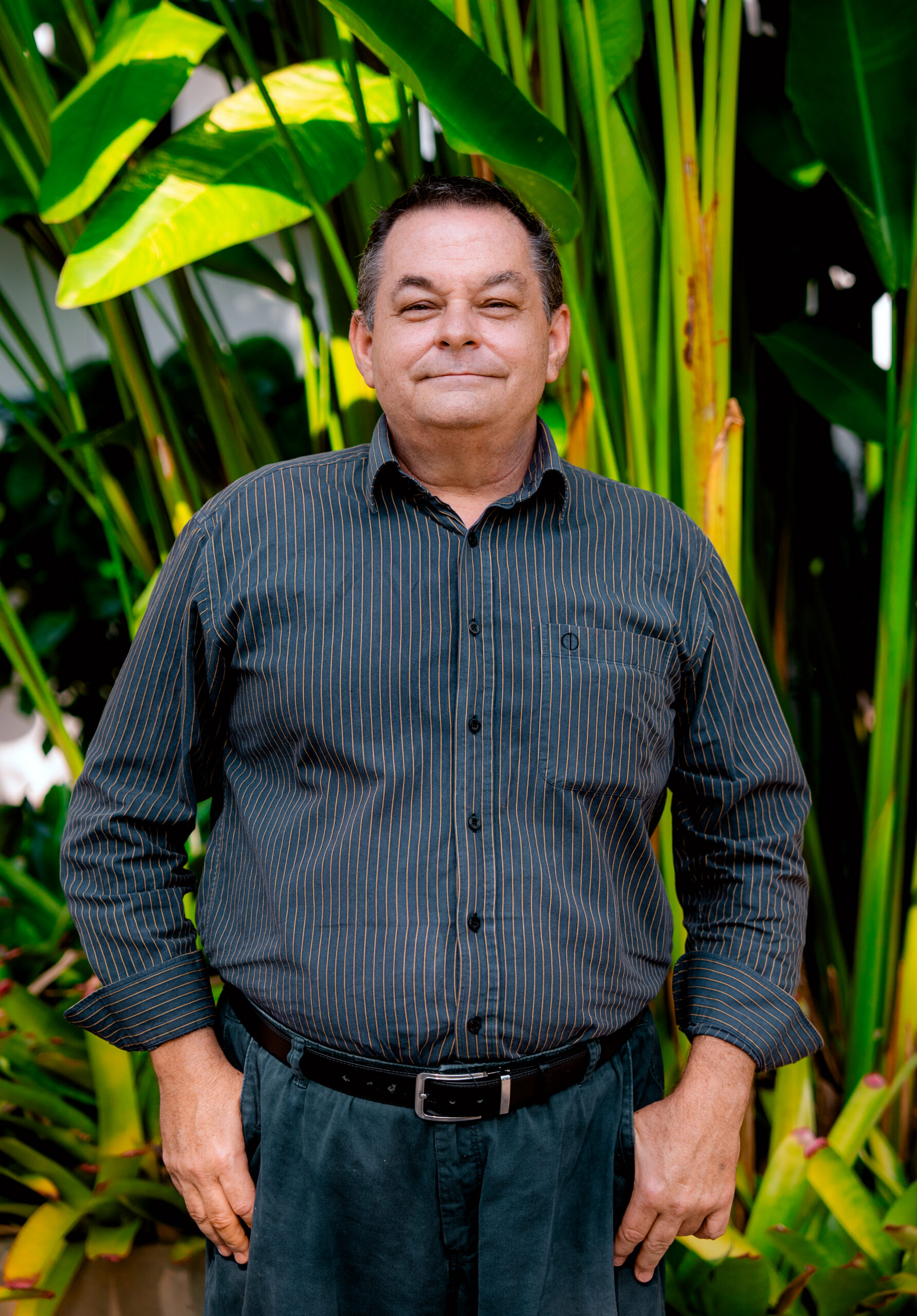
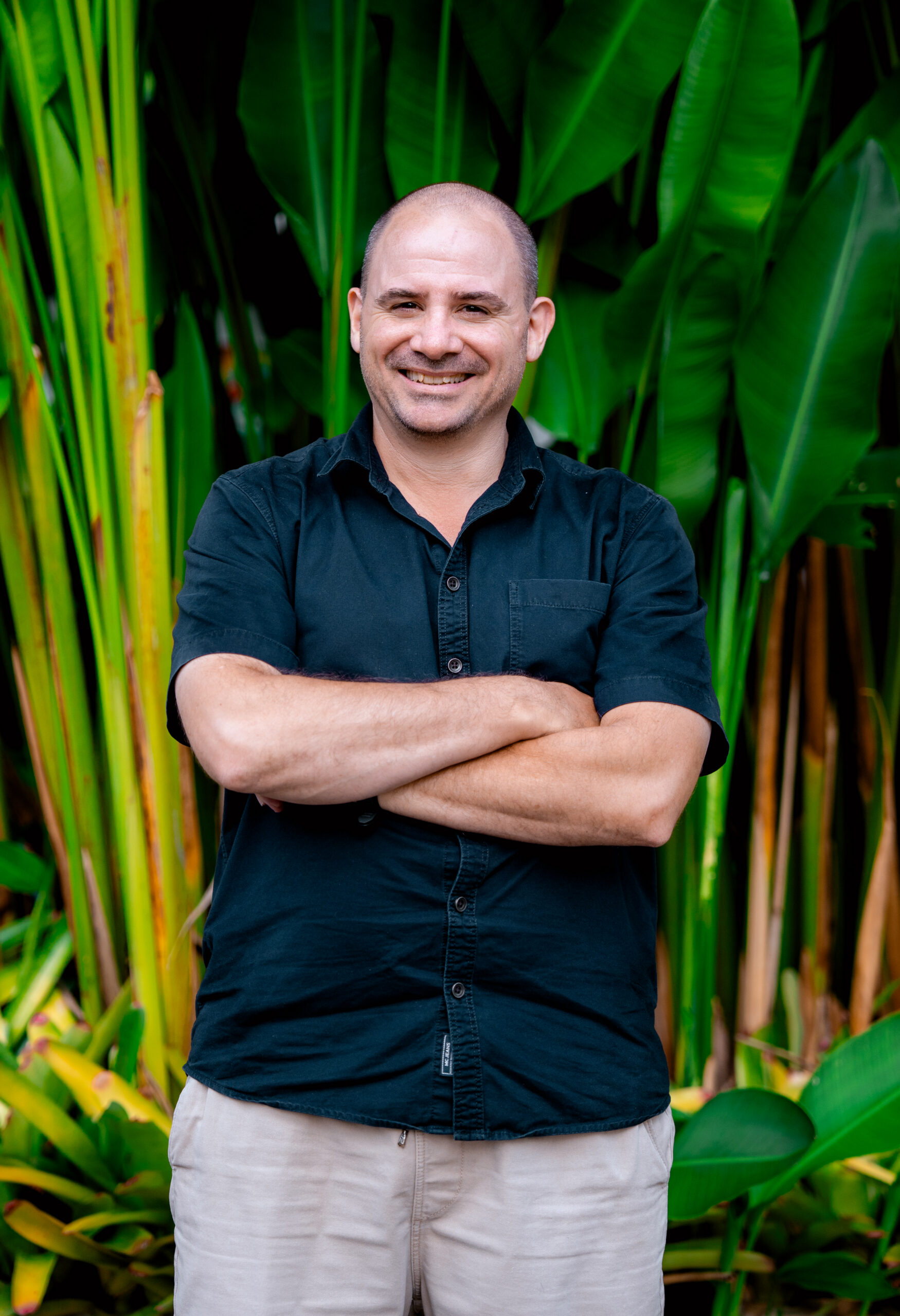
Meet the team of counsellors, psychologists, and recovery coaches that will deliver all the skills you need to attain long lasting recovery from addiction.

Evidence-Based Therapy for Meth Addiction
Clinical Practice Guidelines for stimulant use disorders highlight two behavioural models with the most substantial evidence for success in methamphetamine addiction treatment: The Matrix Model and Cognitive Behavioural Therapy (CBT).
At our meth and ice rehabilitation programme in Thailand, One Step Rehab incorporates CBT and Matrix elements into every stage of treatment, through our signature treatment method, Recovery Zones.
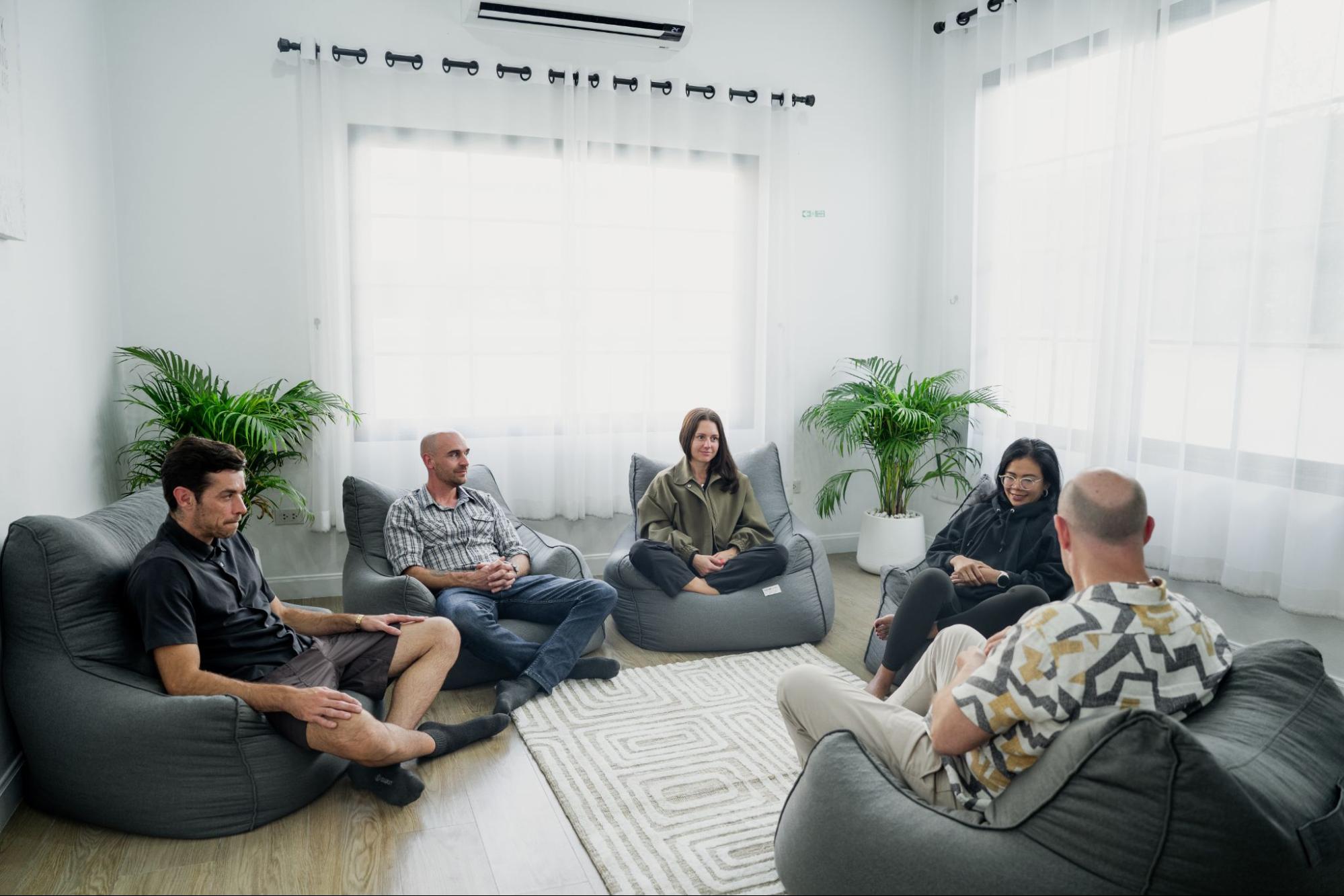
The Matrix Model
Integrated treatment explicitly developed for stimulant addiction, combining CBT, relapse prevention, family education, and 12-step facilitation.
Cognitive Behavioural Therapy (CBT)
Helps recognise and change thought patterns leading to substance abuse, building coping strategies and improving emotional regulation.
Motivational Interviewing
Building commitment to change through collaborative conversations that strengthen personal motivation for recovery.
Recovery Zones Method
Our signature treatment method incorporating Matrix and CBT elements using mind-mapping to tell your story in manageable chunks.
Get Professional Help at Our Affordable Rehab Center in Thailand
Get Confidential HelpHolistic and Lifestyle Interventions
Beyond behavioural therapies, One Step Rehab provides a comprehensive, holistic rehab experience designed to restore physical and mental health. Holistic therapy for addiction supports whole-person recovery, not just symptom management. Because meth abuse depletes dopamine production, restoring healthy neurotransmitter function is central to recovery.
The Dopamine Diet
At One Step Rehab we create a balanced approach to eating that supports stable blood sugar, reduces cravings, and improves mood and physical energy. We call this nutritional strategy the dopamine diet. It is an evidence-informed way of eating that supports neurological repair during early recovery.
- Whole foods emphasising adequate protein and micronutrients
- Stable blood sugar to reduce cravings
- Fuel the body to train, think clearly, and sleep well
- Stabilise the reward system and reduce emotional volatility

Proper nutrition helps stabilize the reward system, reduces emotional volatility, and gives the body the fuel it needs to train, think clearly, and sleep well.
Fitness and Recovery
Methamphetamine and other stimulants artificially flood the reward system with dopamine and related neurotransmitters. Over time, the brain compensates by reducing dopamine levels. This is why people often feel "grey" in early recovery. Regular physical exercise is one of the most powerful natural ways to begin reversing this.
- Increases dopamine and endorphin release
- Improves dopamine receptor function
- Reduces cravings and improves mood
- Supports better sleep and stress tolerance

We frame this as a clinical exercise prescription, not boot-camp punishment. In-house training sessions, including Muay Thai, circuit training, and weight lifting, are designed to be safe and graded to your physical abilities.
Holistic Therapies
At One Step Rehab Thailand, we integrate holistic therapies when they are consistent with the evidence base and beneficial for recovery. Common elements of holistic addiction treatment for meth include:
- Mindfulness and meditation: Improving attention and interoceptive awareness
- Outdoor therapy: Time in nature, such as hiking
- Sleep optimisation: Circadian stabilisation and pre-sleep rituals
- Body-based practices: Yoga, stretching, and somatic awareness

These interventions complement evidence-based therapy, giving you practical tools for managing stress and cravings long after you leave treatment.
If you or a loved one is struggling with ice addiction or methamphetamine abuse, help is available. Speak with one of our admissions specialists today.
Get in Touch


Life at Our Rehab Center
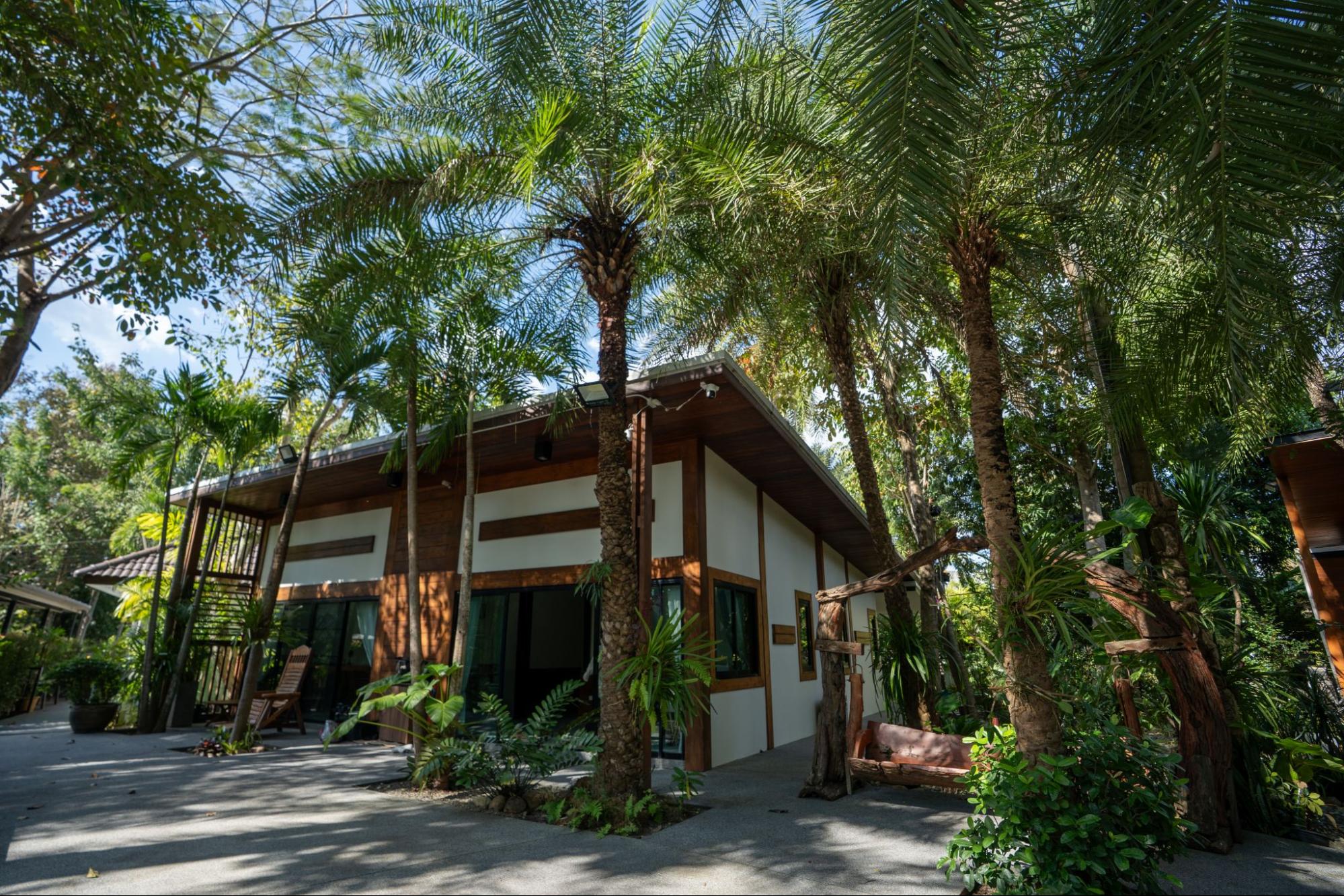
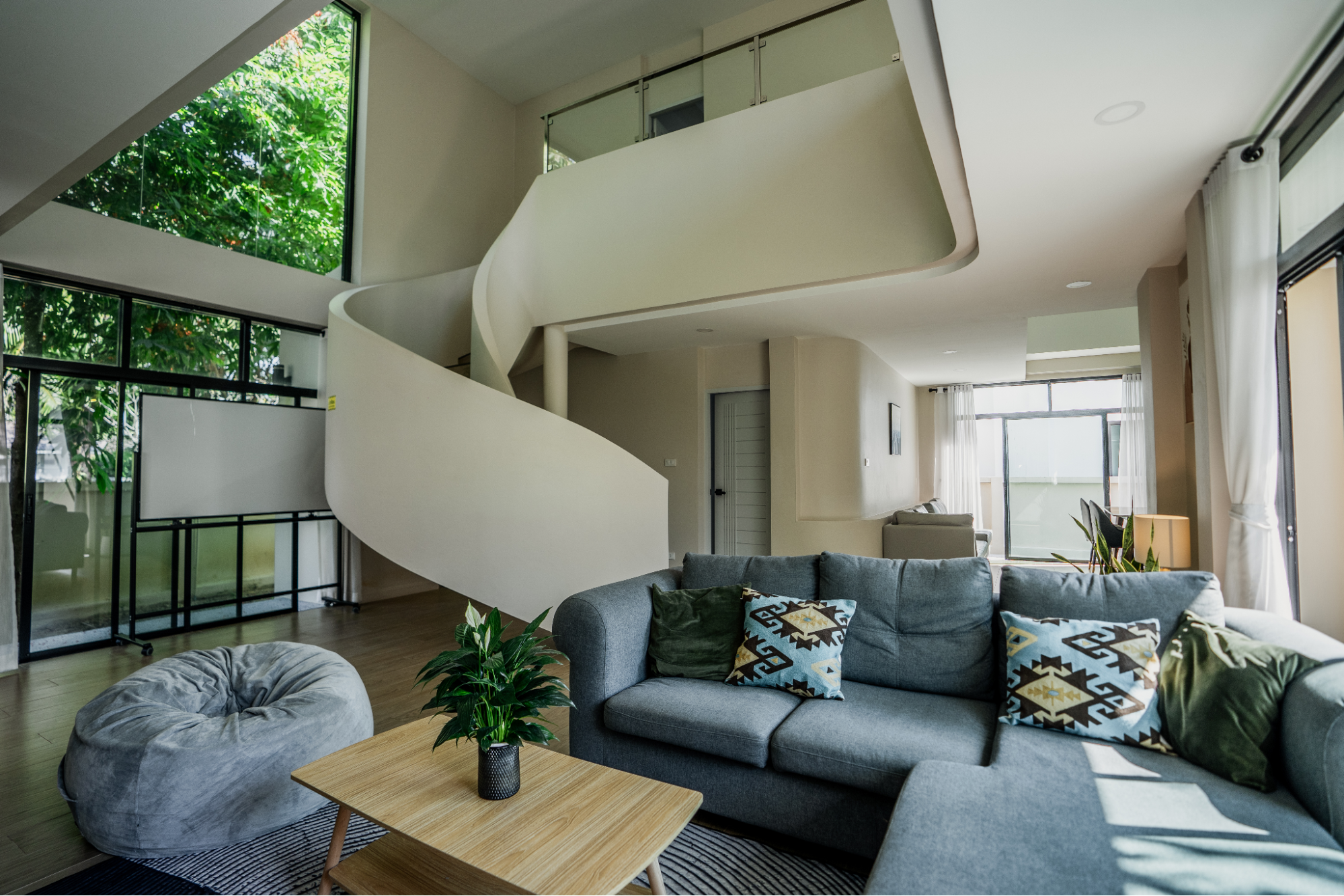
For international clients, a Thai rehab such as One Step Rehab in Chiang Mai offers an ideal environment for comprehensive meth treatment, combining clinical care, holistic therapy, and recovery in a peaceful tropical setting.
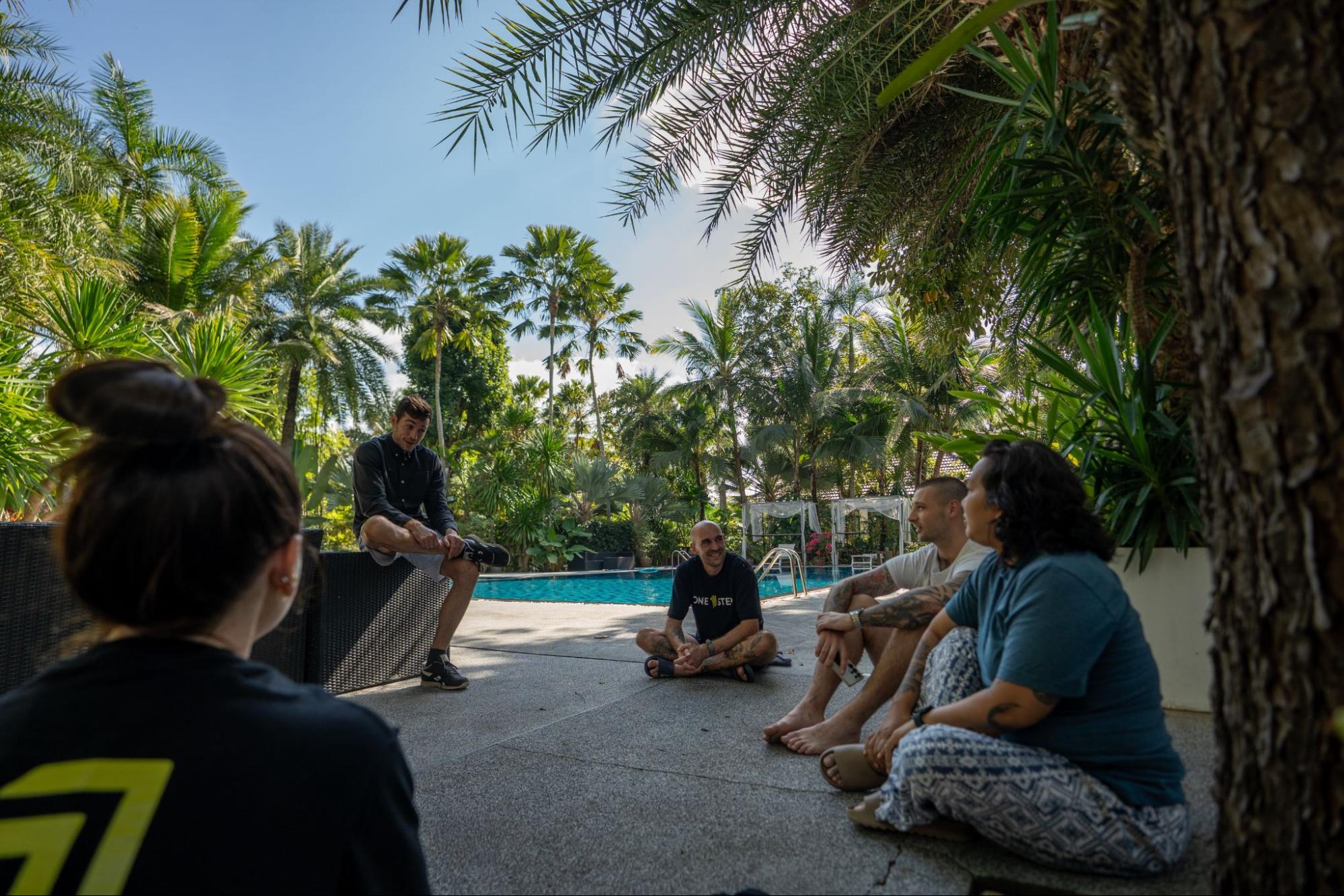
At One Step Rehab, you'll find a peaceful sanctuary where world-class treatment meets resort-style comfort—far from the triggers, dealers, and social situations that sustained your meth use.
Our facilities include a professional Muay Thai boxing camp with 4 champion coaches, an extensive gym with machines and free weights, a 20-metre pool for laps, soccer pitch, pickleball court, and scenic tracks for running and cycling through the Thai countryside.

Aftercare and Continuing Support
Meth detox and residential treatment are just the beginning. Long-term recovery from meth addiction depends on maintaining structure, accountability, and connection. At One Step Rehab, we provide comprehensive aftercare services for addiction, including:
- Online group therapy (free for 12 months)
- Relapse prevention plan for discharge
- Support groups or therapists arranged in your home community
- Referrals to community-based counselling or sober living programs
Our goal is to ensure every client leaves treatment with a concrete plan for continued support and sustainable recovery.
Understanding Meth Use Patterns We Treat
Methamphetamine addiction can develop across different use patterns and forms of the drug. One Step Rehab provides specialised treatment for all types of meth dependency.
Crystal Meth (Ice) Addiction
Ice is the crystalline, highly purified form of methamphetamine. Crystal meth is smoked or vaporized, producing a faster, more intense high, which also makes it more addictive. We provide specialised support for ice addiction recovery.
Powder Methamphetamine
Less pure than crystal meth, powder methamphetamine can be snorted or injected. While the high may be less intense, addiction develops quickly and the health consequences can be equally severe.
Polysubstance Use
Meth is often used with other drugs or alcohol, creating dangerous interactions and complicating recovery. We provide integrated treatment addressing all substances and their combined effects on brain chemistry.
Regardless of your usage pattern, our evidence-based programme can help you break free from meth addiction and rebuild a fulfilling life.
Frequently Asked Questions About Meth Rehab
Common questions about methamphetamine addiction treatment, withdrawal, and recovery at One Step Rehab Thailand.
Meth withdrawal typically begins within 24 hours of the last use. The initial "crash" phase may last several days, characterised by extreme fatigue, depression, and increased appetite. This is followed by weeks of psychological symptoms including cravings, anxiety, anhedonia (inability to feel pleasure), and cognitive fog. While meth withdrawal is not medically dangerous like alcohol or benzodiazepine withdrawal, the psychological symptoms can be intense and require professional support to manage safely.
Unlike other drug addictions, methamphetamine addiction rarely involves a dangerous physical detox. Instead, users experience a "crash"—a sharp drop in energy and mood as the brain's dopamine stores are depleted. Symptoms include:
- Extreme fatigue and oversleeping
- Intense depression or anhedonia
- Hunger, dehydration, and irritability
- Strong cravings for meth
- Temporary cognitive "fog" or confusion
At One Step Rehab, we manage this phase with medical supervision, good nutrition and hydration, psychiatric evaluation, and emotional support.
Methamphetamine addiction is primarily psychological rather than physical. Meth floods the brain with dopamine, creating intense euphoria and a sense of confidence. With repeated use, the brain's reward system becomes severely dysregulated, leading to rapid tolerance and compulsive use despite negative consequences. Research consistently shows that stimulant withdrawal requires structured behavioural therapy, rather than purely medical detoxification.
The Matrix Model is an integrated treatment method explicitly developed for addiction to stimulants such as methamphetamine. Clinical Practice Guidelines highlight it as one of the behavioural models with the most substantial evidence for success in meth addiction treatment. It combines Cognitive Behavioural Therapy (CBT), relapse prevention training, family education, and 12-step facilitation in a structured, time-limited format. At One Step Rehab, we incorporate Matrix elements into our Recovery Zones treatment method.
For meth addiction, we typically recommend a minimum of 6-8 weeks in residential treatment. Methamphetamine causes significant changes to brain chemistry that take time to stabilise. Without behavioural therapy, cravings can remain strong for weeks or months. Longer stays of 8-12 weeks are often recommended for heavy users or those with co-occurring mental health conditions. The exact duration depends on your individual situation and is assessed during your initial consultation.
Both "meth" and "ice" refer to methamphetamine. Ice typically describes the crystalline, highly purified form of the drug, also known as crystal meth. Crystal meth is smoked or vaporized, producing a faster, more intense high, which also makes it more addictive. Regardless of the form, One Step Rehab provides comprehensive treatment for all types of methamphetamine addiction using evidence-based therapies including the Matrix Model and CBT.
Clinical Practice Guidelines highlight two behavioural models with the most substantial evidence for success in methamphetamine addiction treatment: The Matrix Model and Cognitive Behavioural Therapy (CBT). CBT helps clients recognise and change thought patterns that lead to substance abuse, while the Matrix Model provides structured, integrated treatment for stimulant addiction. Our treatment also includes Motivational Interviewing and our signature Recovery Zones method.
Chronic methamphetamine use can cause lasting changes to brain structure and function, particularly in areas controlling decision-making, motivation, and reward processing. The prefrontal cortex brain circuits are particularly damaged after abuse of stimulants like meth. However, research shows that with sustained abstinence, many of these changes can improve over time. The brain has remarkable plasticity, and our treatment programme supports neurological recovery through evidence-based therapy, physical exercise, dopamine-boosting nutrition, and stress management techniques.
You don't have to face meth addiction alone. Our experienced team is ready to answer your questions, discuss your situation, and help you understand your treatment options—with no pressure or obligation.
We'll respond within 24 hours