

Cannabis Addiction Treatment in Thailand
Cannabis, also known as marijuana, or weed, is often perceived as a harmless or “soft” drug. However, regular use can lead to dependence, significant mental health problems, and impairment in cognitive function.
Many people who seek cannabis addiction treatment began using socially or to manage stress, sleep problems, or anxiety. Over time, use becomes habitual. Attempts to stop can trigger irritability, insomnia, mood instability, and strong cravings.
At One Step Rehab in Chiang Mai, we provide structured cannabis rehab in Thailand within a residential treatment setting. Our programme combines evidence-based counselling, behavioural rehabilitation, lifestyle stabilisation, and long-term relapse prevention planning to support sustainable recovery from marijuana addiction.
Understanding Cannabis Addiction
Cannabis acts primarily on the brain’s endocannabinoid system, which regulates mood, memory, stress response, and reward processing. THC, the psychoactive component in marijuana, overstimulates this system. With repeated exposure, the brain reduces natural endocannabinoid sensitivity. Over time, this can impair:
- Motivation
- Emotional regulation
- Memory and concentration
- Stress tolerance
- Sleep regulation
As tolerance builds, users often increase frequency or potency. Eventually, cannabis is no longer used for pleasure — it is used to avoid irritability, restlessness, or emotional discomfort.
Modern high-potency cannabis products significantly increase the risk of cannabis use disorder and psychosis, compared to lower-strength varieties used in previous decades.
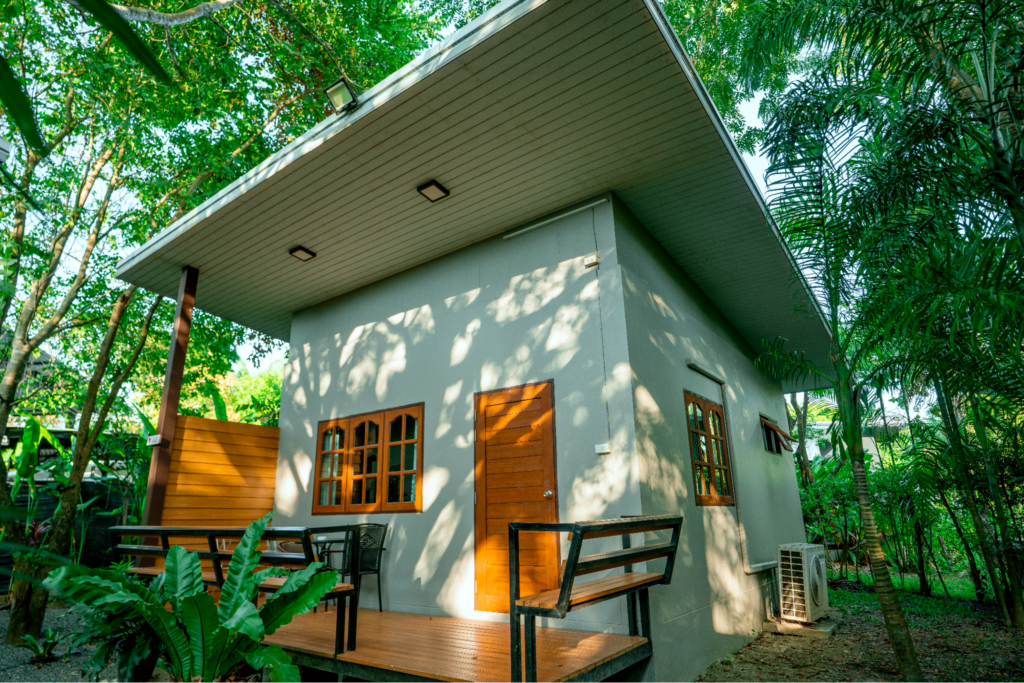
Living in the same environment where marijuana use became routine reinforces habitual behaviour. Inpatient cannabis rehab in Thailand provides distance from cues and daily triggers that sustain dependency.
Signs and Symptoms of Cannabis Dependence
Recognising cannabis or marijuana addiction early is important, particularly because it often develops gradually. Common warning signs include:
- Daily or near-daily use
- Memory or concentration difficulties
- Irritability when not using
- Failed attempts to cut down
- Continued use despite consequences
People seeking marijuana addiction treatment often describe feeling mentally “foggy,” emotionally flat, or stuck in repetitive patterns. Because cannabis addiction is primarily psychological and behavioural, structured behavioral therapy in an intesnive inpatient rehabilitation program is often required to restore motivation and emotional stability.
Our Team
Meet the team of counsellors, psychologists, psychiatrists, recovery coaches, and holistic practitioners, that will deliver you long all the skills you need to attain long lasting recovery from addiction.
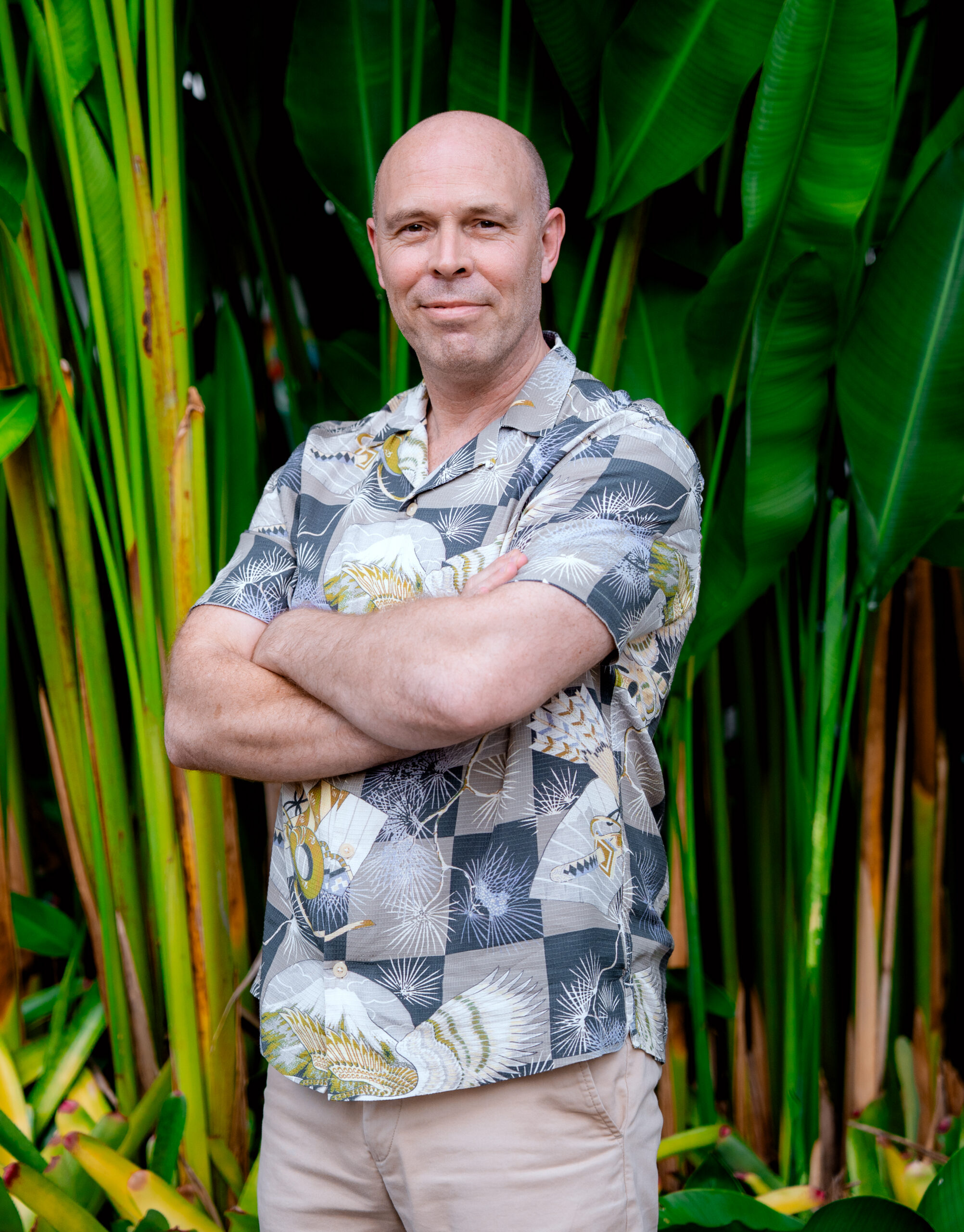
Alastair Mordey
Founder
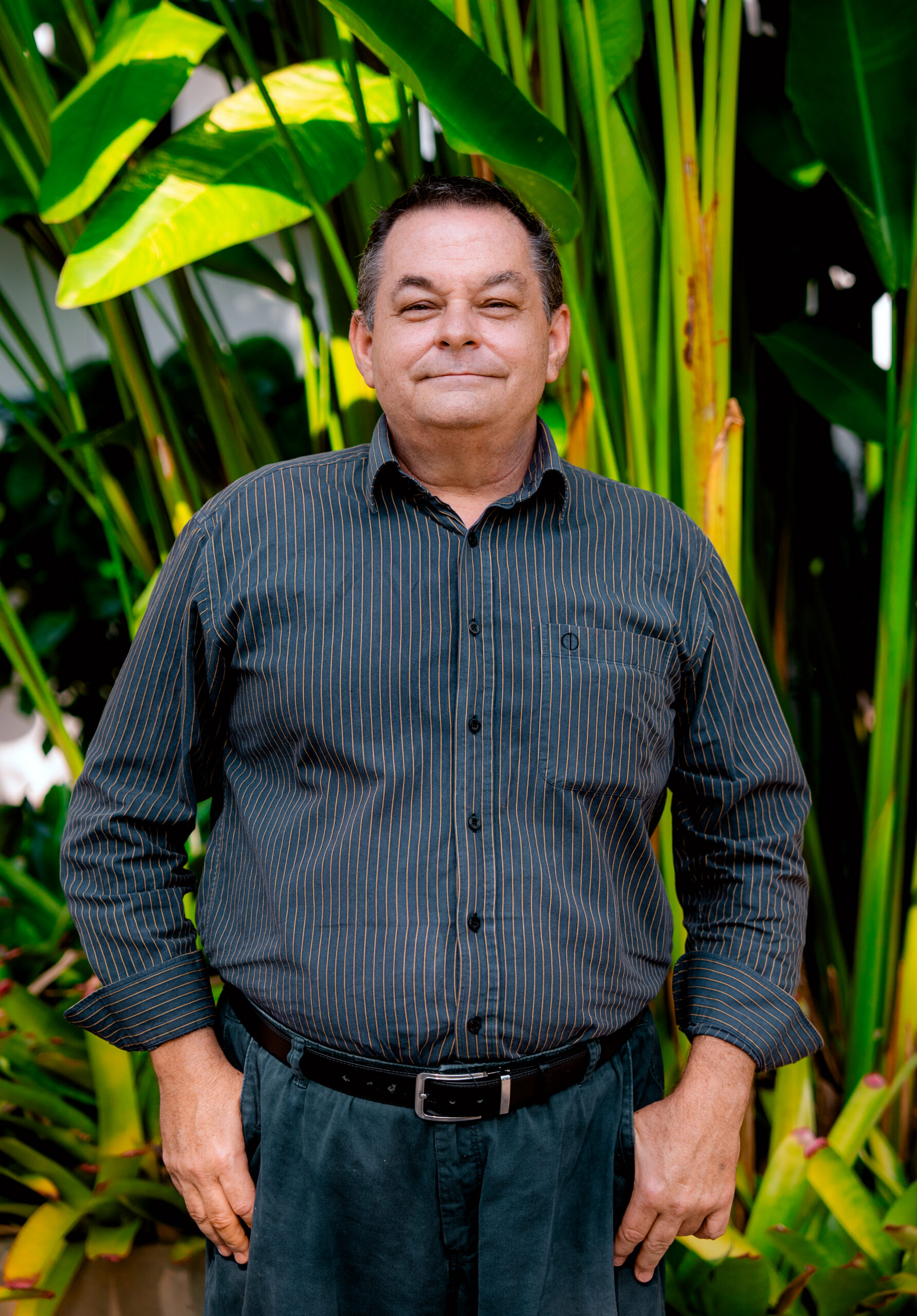
Craig Gagnon
Psychologist & Addiction Counselor
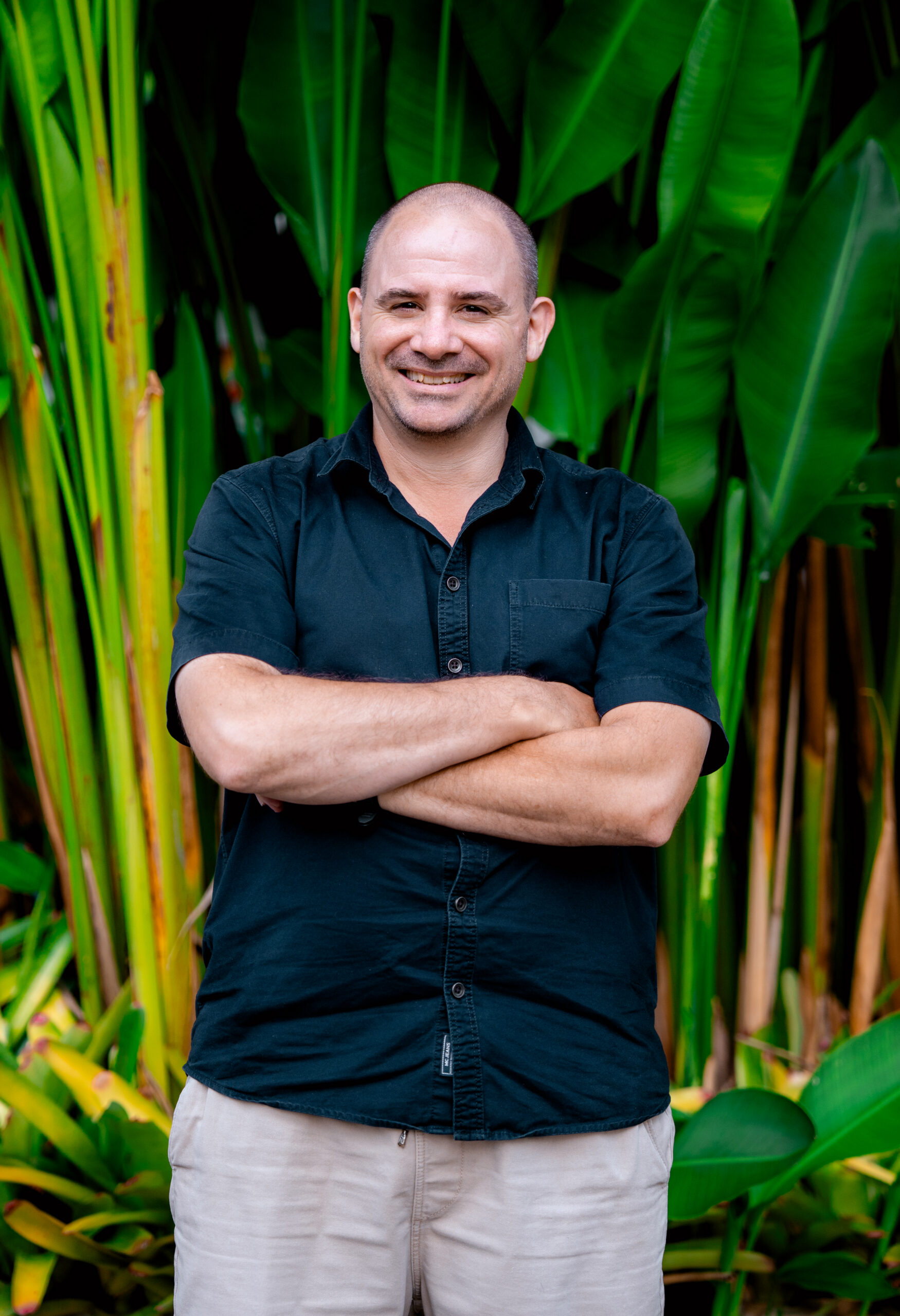
David Kaff
Addictions Counselor
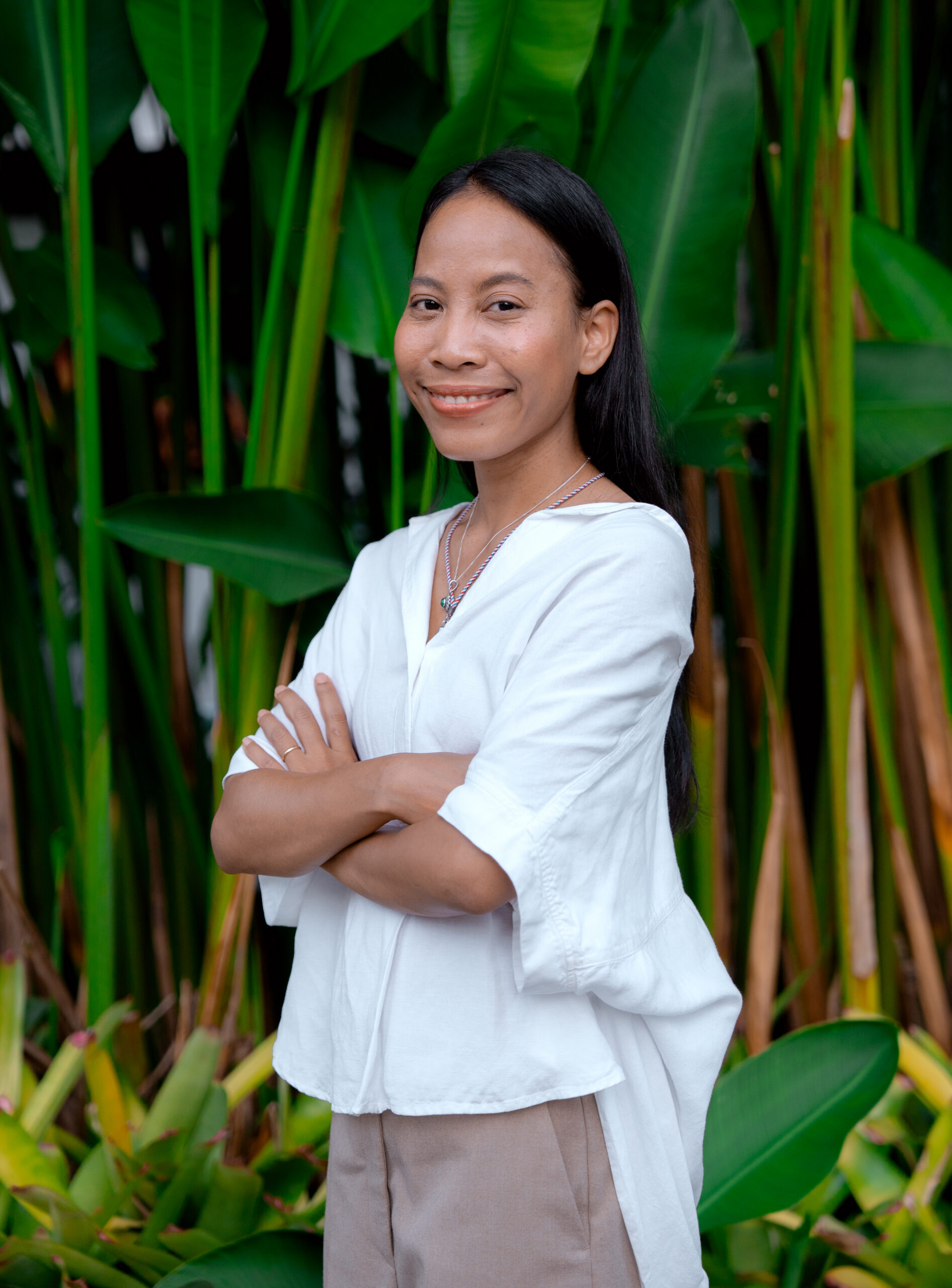
Thineeporn Mordey (Fihn)
Operations Manager
Evidence-Based Therapy for Cannabis Addiction
Cannabis detox alone is rarely sufficient. Therapy addresses the behavioural patterns and emotional drivers that sustain marijuana dependence. At One Step Rehab, cannabis addiction treatment includes:
- Cognitive Behavioural Therapy (CBT): Challenging habitual thought patterns and avoidance behaviours
- Motivational enhancement work: Strengthening commitment to change
- Relapse-prevention planning: Identifying triggers and high-risk situations
- Behavioural activation: Rebuilding structure and goal-directed behaviour
Many clients used cannabis to cope with anxiety, boredom, social discomfort, or low mood. Effective treatment focuses on developing healthier coping systems rather than simply removing the substance. Our Recovery Zones framework structures therapy to target belief systems, emotional avoidance, and dysfunctional routines that maintain cannabis dependence.
Testimonials
See what our former clients have to say about us, as one of Thailand’s leading drug treatment centers.
Daniel Sparrow
One Step Rehab truly changed my outlook on life after recently spending 6 proactive and fulfilling weeks at One Step, Ch...
Steven Beebar
To all the amazing staff at one step. Thank you for helping me through my toughest days. Your program has given me hope...
Luke Ingram
I sent my son to One Step Thailand when we were looking for a rehab program that could support both his recovery and his...
Alex M
I recently spent 4 months at One Step and can honestly say it was one of the best decisions I ever made. I initially pla...
Claire Davis
I spent 5 weeks in treatment at One Step, I was originally meant to stay for 4 weeks however I needed more and could hav...
Mitch Williams
I had an incredible experience at One Step Rehab. From the moment I arrived, I felt genuinely cared for and supported. T...
Cannabis Detox and Stabilisation
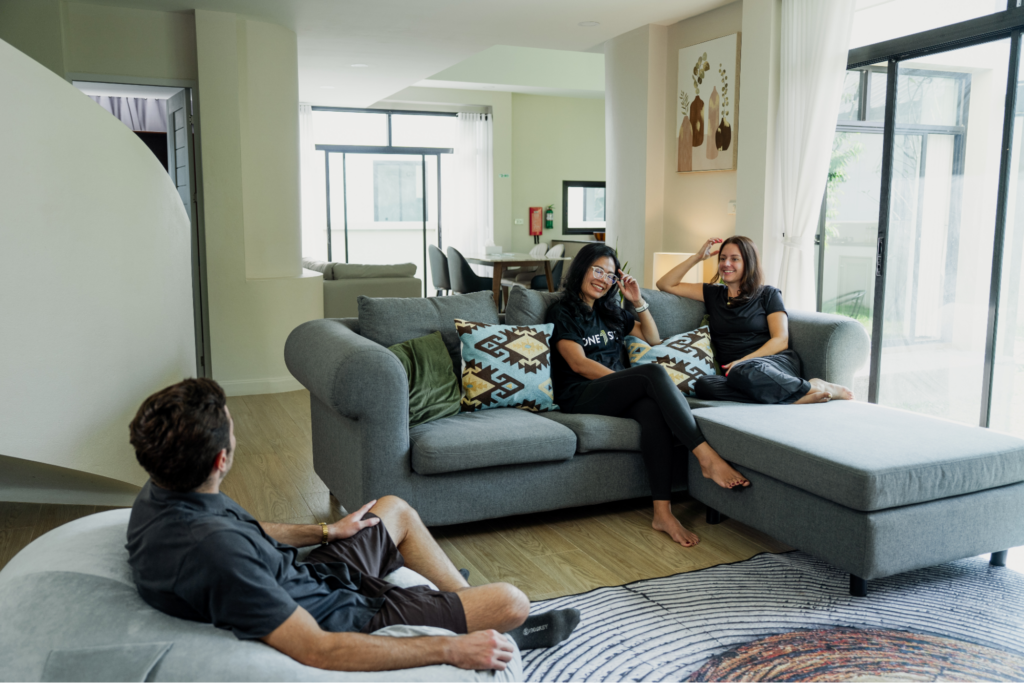
Cannabis withdrawal is not typically medically dangerous, but it can be psychologically uncomfortable. Symptoms usually begin within 24–72 hours of cessation and may last one to two weeks. Common withdrawal symptoms include:
- Insomnia
- Vivid dreams
- Anxiety
- Reduced appetite
- Cravings
Although cannabis detox does not require the same medical tapering as benzodiazepine, opioid, or alcohol detox, structured support during this phase significantly improves outcomes. In our residential cannabis rehab programme, the goal is to contain early discomfort and establish the first sustained period of abstinence in a stable environment.
Structured Residential Treatment
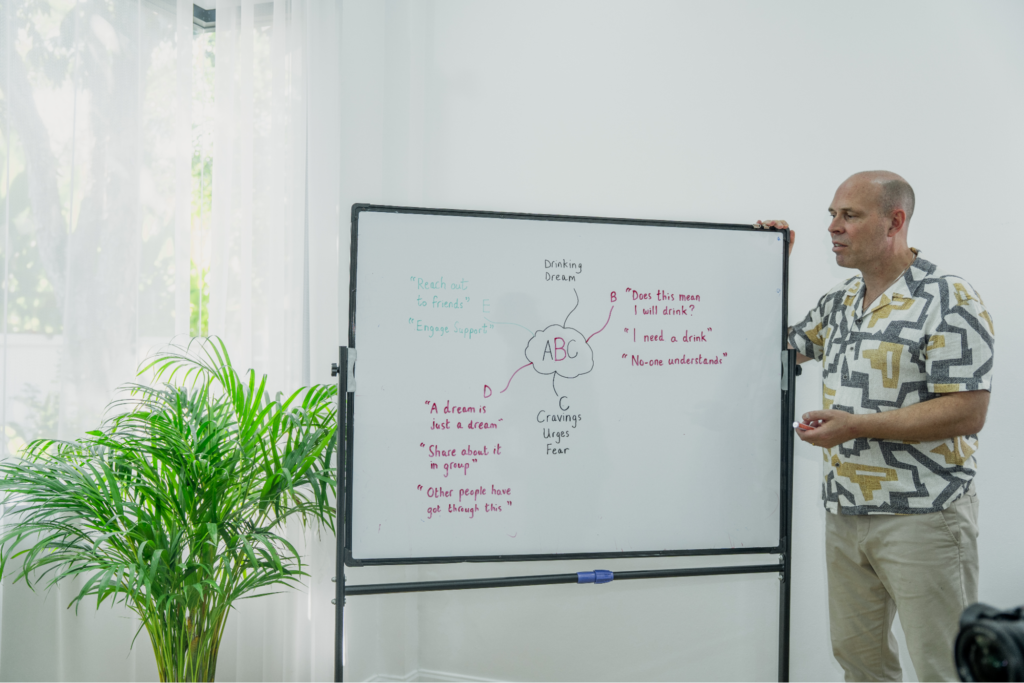
Once withdrawal symptoms stabilise, focus shifts to rebuilding motivation, discipline, and psychological resilience. Inpatient cannabis rehab provides:
- A predictable daily routine
- Reduced environmental triggers
- Daily one-to-one therapy
- Structured group therapy
- Accountability and peer support
Chronic marijuana use often reinforces avoidance and procrastination. Residential treatment creates a structured setting where goals are reintroduced gradually and consistently. Treatment focuses on restoring cognitive clarity, rebuilding intrinsic motivation, and engaging in long-term planning.
Holistic and Lifestyle Interventions
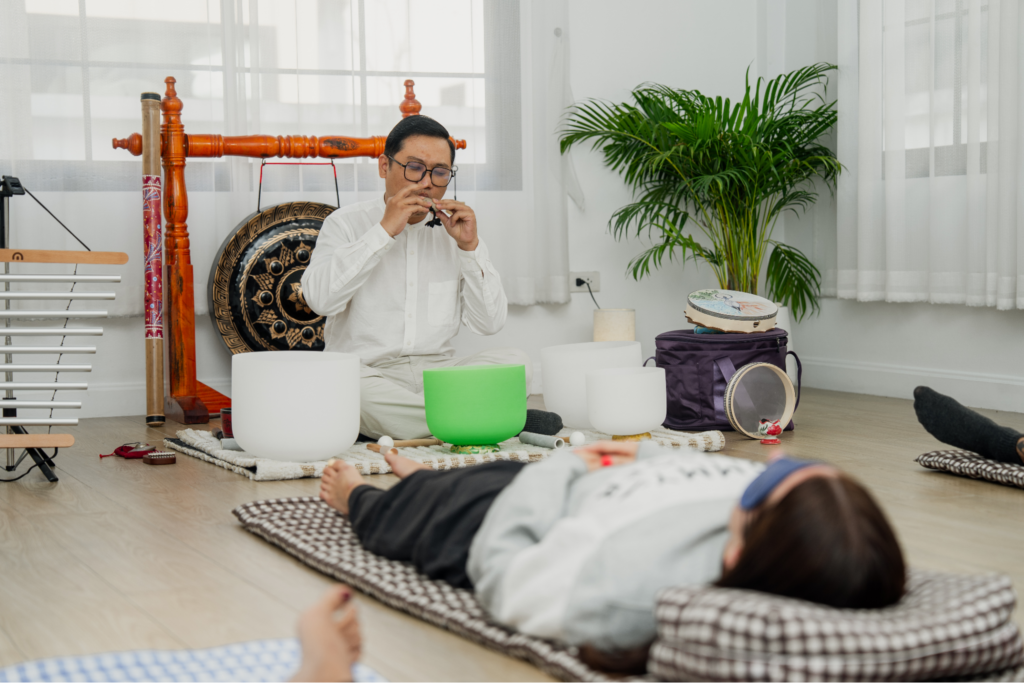
Long-term cannabis use can disrupt sleep patterns, energy levels, and stress tolerance. Our holistic therapy program is used as an adjunct to psyhotherapy, in order to restore brain function, support nervous system recalibration. Our holistic cannabis addiction treatment methods include:
- Mindfulness training to increase attentional control
- Breathing exercises to reduce anxiety
- Nature-based therapy for stress reduction
- Structured reflection and journaling
These interventions are integrated alongside evidence-based therapy to support whole-person recovery. In order to remain cannabis free it is important that clients learn the tools of emotional self-regulation while they are in treatment, so they can practice them when they return home.
The Dopamine Diet
Chronic cannabis use may blunt natural reward sensitivity over time. Nutritional rehabilitation helps to support the restoration of healthy neurotransmitter balance, and normal healthy appetite. Our nutrition programme emphasises:
- Low-glycemic meals to stabilise mood
- High-quality protein intake
- Micronutrient-rich whole foods
- Consistent meal timing to regulate circadian rhythms
Stable nutrition supports energy levels, concentration, and emotional balance during marijuana recovery.

Fitness and Recovery
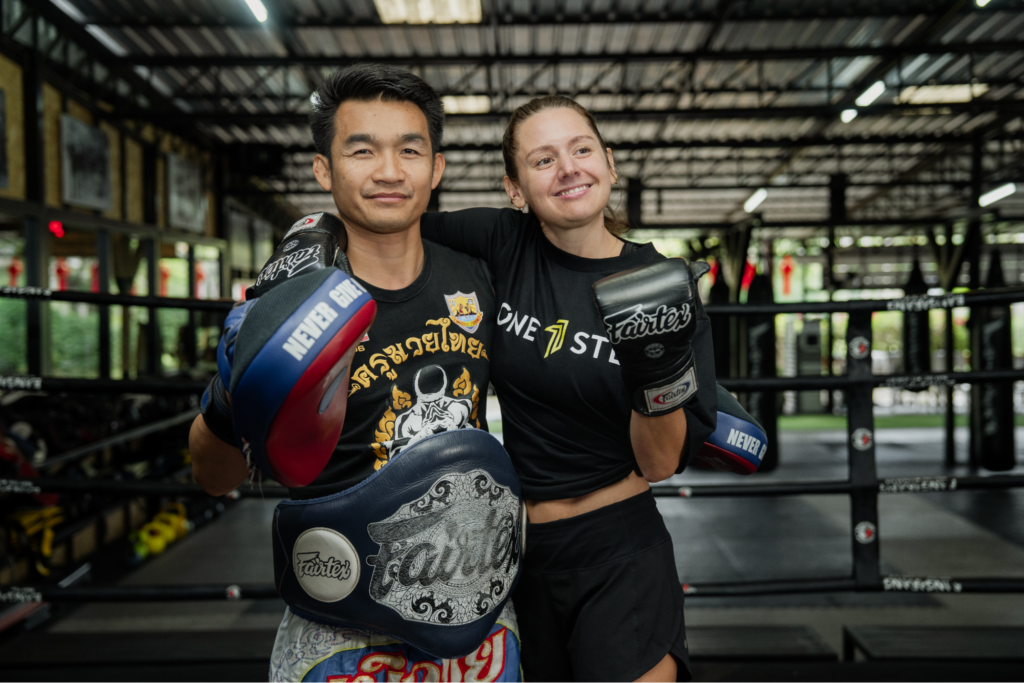
Physical exercise is a powerful tool in cannabis addiction treatment. Regular activity helps restore natural dopamine function and rebuild motivation. This is especially important with people who have been demotivated by long term cannabis use. Our approach includes:
- Graded cardiovascular training
- Strength conditioning
- Mobility and flexibility work
- Outdoor physical activity
Exercise reinforces routine, improves sleep, and enhances cognitive clarity. At our center, exercise and physical activity is framed as neurological rehabilitation rather than athletic performance. Each client has exercise graded to their level of fitness.
Aftercare and Continuing Support
Detox and residential treatment are just the beginning. Long-term recovery depends on maintaining structure, accountability, and connection. At One Step Rehab, we provide comprehensive aftercare services for addiction, including:
- Online group therapy (free for 12 months)
- Relapse prevention plan for discharge
- Support groups or therapists arranged in your home community
- Referrals to community-based counselling or sober living programs
Our goal is to ensure every client leaves treatment with a concrete plan for continued support and sustainable recovery.
If you or a loved one is struggling with ice addiction or methamphetamine abuse, help is available. Contact One Step Rehab Thailand to speak with one of our admissions specialists today.