


Understanding the crucial link between food, diet, and brain chemistry can be a powerful tool in addiction recovery. At One Step Rehab, we recognise how dietary choices directly influence dopamine levels, the brain’s “feel good” neurotransmitter, impacting both cravings and mood.
This page explores the science behind the Dopamine Diet for addiction treatment, illustrating how nutritional support, expert guidance, and a holistic residential setting combine to boost motivation and sustain long-term recovery. Discover how strategically nourishing your body can help rewire your brain and put you firmly on the path to healing.
Brief Overview
Understanding the relationship between dopamine, diet, and addiction recovery highlights how strategic nutrition supports brain healing and sustained motivation. One Step Rehab in Chiang Mai leverages holistic methods, integrating expert dietary planning with fitness and therapy to help rebuild healthy reward pathways and manage cravings. Our comprehensive approach empowers clients to reclaim pleasure naturally and develop sustainable habits, offering a path to lasting recovery and renewed well-being through evidence-based care and compassionate support.
Key Highlights
- Diet directly influences dopamine levels, affecting cravings, mood, and motivation in addiction recovery.
- One Step Rehab integrates diet, fitness, and therapy to holistically support brain and body healing.
- Nutritious, balanced meals help repair dopamine pathways and reduce relapse risk for people overcoming addiction.
- Mindful eating and structured routines restore genuine pleasure, combating anhedonia and withdrawal symptoms.
- Expert-led, personalised programs at One Step Rehab empower clients to regain control and sustain long-term recovery.
Understanding Dopamine’s Role in Addiction Recovery
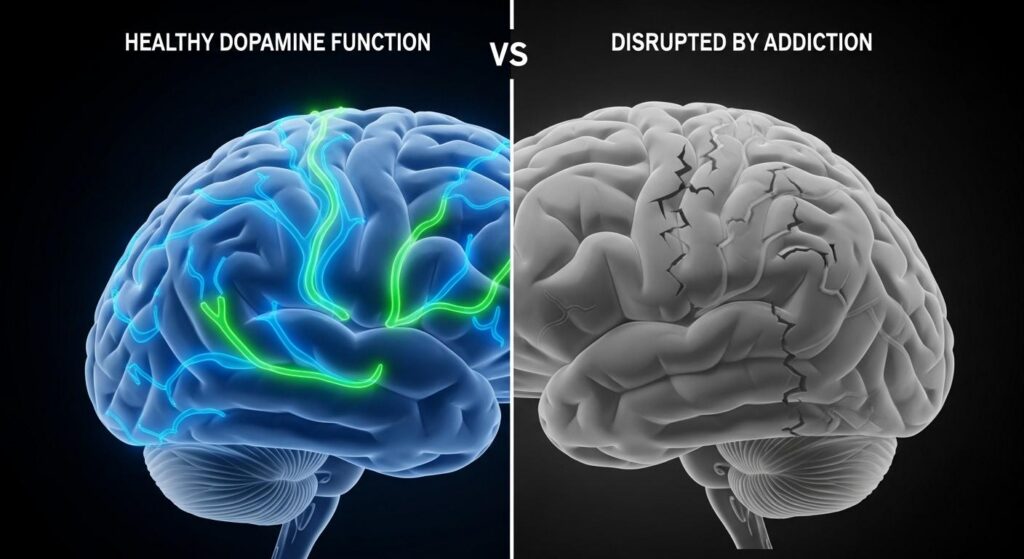
The journey to overcoming addiction often begins by understanding the intricate ways dopamine shapes our habits, choices, and motivations. At One Step Rehab, we recognise that dopamine, the brain’s primary messenger for pleasure, directly impacts the desire to seek out rewarding activities and substances.
When drug addiction or substance abuse becomes part of someone’s life, dopamine levels and dopamine receptors in the brain may become disrupted, altering how the reward centre signals pleasure or cravings. By addressing these changes holistically, we give people the tools to recalibrate brain dopamine, stabilise symptoms, and reclaim healthy motivation. This insight allows us to tailor recovery approaches, combining psychological treatment, nutritional support, and structured routines that attend to both brain and body, promoting meaningful, lasting healing for people affected by addiction.
Our approach encourages clients to rebuild a rewarding life, one evidence-based step at a time.
How Dopamine Levels Influence Cravings and Motivation
Understanding the influence of dopamine on both cravings and motivation is essential for anyone seeking to recover from addiction. As a psychologist at One Step Rehab, I’ve seen firsthand how drug addiction and substance abuse disrupt healthy brain functioning, particularly by affecting dopamine levels and their delicate balance within the reward centre.
When someone abuses drugs, dopamine surges flood the brain, overwhelming the body’s normal processes and rewiring pathways that drive both pleasure and repeated activity. Over time, these surges desensitise dopamine receptors, making natural activities and rewards feel less satisfying and pushing people to seek stronger stimuli, often in the form of addictive drugs or harmful behaviours.
The symptoms of addiction, such as persistent cravings and an inability to experience pleasure from everyday activity, are direct consequences of these changes. Dopamine, the chemical often associated with feelings of pleasure and achievement, becomes less responsive to healthy stimuli, causing individuals to become trapped in cycles of abuse and dissatisfaction.
When the brain’s dopamine system is unbalanced, motivation diminishes, making it profoundly challenging to pursue recovery or engage in positive behaviours. Many clients describe feeling flat, unmotivated, and detached from activities that once brought joy. This phenomenon is known as “anhedonia,” a state where the absence of dopamine-driven pleasure perpetuates a sense of hopelessness, a critical barrier to recovery.
Our approach at One Step Rehab addresses these biochemical challenges by fostering an environment that promotes brain healing. We understand that restoring dopamine levels without further artificial surges is necessary for rebuilding a sense of wellness. Instead of simply eliminating drugs, we focus on restoring brain dopamine through structured routines, balanced diets, fitness, mindfulness, and therapy. These interventions provide healthy and sustainable dopamine boosts, slowly re-sensitising the reward centre and creating space for authentic pleasure from non-addictive sources. Many of our clients have experienced long-term substance abuse, causing not just physical but also psychological symptoms that undermine their motivation.
Our team supports clients through withdrawal symptoms, helping them endure periods when dopamine remains low and cravings are high. Through this, we reinforce strategies that don’t just target cravings but also reignite motivation for change. Engaging in meaningful activity, be it mindfulness meditation, physical exercise, or creative expression, becomes both a practical tool for managing symptoms and a pathway toward real, sustainable pleasure.
The journey isn’t always linear, but understanding how dopamine drives cravings and motivation offers a powerful foundation for healing. If you or someone you care about struggles with addiction, remember: the brain and body can heal. At One Step Rehab, our comprehensive approach gives every individual a chance to reset dopamine levels, overcome the stranglehold of drug abuse, and reclaim a life full of vitality. Take the first bold step; your brain and body have the inherent power to change, and we’re here to support every moment of that transformation.
The Connection Between Diet, Eating, and Dopamine Balance
Emerging science makes clear that the food we eat dramatically affects brain chemistry and dopamine balance. At One Step Rehab, we see firsthand how nutrition and eating patterns can support or hinder recovery from addiction. Eating well isn’t only about managing physical health; it’s crucial for restoring the brain’s dopamine system, repairing the body, and easing common symptoms faced by people in addiction treatment.
By understanding the interplay between diet, food intake, and dopamine, our clients are empowered with practical strategies for healing. Let’s explore actionable nutrition steps that help addicted people reclaim their brain and body’s natural reward function during recovery.
Practical Steps for People in Recovery: Nutrition That Supports Healing
For people navigating the challenges of addiction recovery, making intentional choices about food and diet is one of the most practical steps toward long-term healing. The journey at One Step Rehab begins with understanding that every meal has the potential to foster positive change by influencing dopamine levels.
Because dopamine plays a critical role in regulating motivation, mood, and reward, the body and brain are highly responsive to both what and how you eat during treatment and recovery. The dopamine diet prioritises foods and nutrition habits that stabilise dopamine balance and help replenish the brain’s reward pathway, supporting the body’s healing while simultaneously managing substance cravings and withdrawal symptoms.
Start by focusing on whole, nutrient-dense foods. Lean proteins such as eggs, chicken, and fish provide amino acids, including tyrosine, a key building block for dopamine production.
Incorporating complex carbohydrates, such as brown rice and whole grains, provides the slow, steady energy release the body and brain need to prevent blood sugar fluctuations, which can worsen mood symptoms and cravings.
Colourful fruits and vegetables are essential, too. They deliver vital antioxidants that reduce inflammation and repair neural pathways damaged by substance use, encouraging natural dopamine detox and restoration. Healthy fats from avocados, nuts, and seeds promote optimal brain function by providing the structural support needed for neurotransmitter production and effective signal transmission.
The way food is consumed also matters. Creating mindful eating routines encourages the body and brain to synchronise, allowing you to reconnect with feelings of hunger, satisfaction, and pleasure from eating, rather than seeking these feelings solely from drugs or alcohol.
Structured eating schedules help regulate dopamine balance and reduce erratic dopamine spikes, preventing the highs and lows that often trigger relapse. Fasting or severe restriction, sometimes viewed as a “dopamine detox,” can backfire for people in addiction recovery, lowering dopamine to uncomfortable levels and worsening withdrawal symptoms. Instead, prioritise steady, regular food intake with balanced portions to keep motivation and mood stable throughout the day.
At One Step Rehab, the integration of diet and recovery is both comprehensive and accessible. Every meal is thoughtfully prepared to provide optimal nutrition for brain healing while supporting the broader goals of the treatment program, including relapse prevention and symptom management. Our tailored approach considers your unique needs and offers practical tips, such as batch-cooking healthy meals, keeping nutritious snacks on hand for sudden cravings, and enlisting social support to make food and eating enjoyable parts of daily life.
The goal is not perfection, but gradual, sustainable change, one meal and one positive choice at a time. For those seeking to reclaim control over their body and brain, aligning diet and eating habits with dopamine balance is a cornerstone of recovery.
If you’re struggling to find motivation, remember that food can be a powerful ally for rewiring reward pathways, healing neural connections, and restoring natural pleasure. Our dedicated team at One Step Rehab is here to guide you through this process and encourage you to embrace nutrition as both prevention and treatment.
If you or someone you care about is ready to take practical steps toward healing, reach out and let One Step support your journey. Your brain, body, and sense of self can all be strengthened, starting with the food you choose each day.
Reclaiming Pleasure: Using Food to Restore Reward Pathways
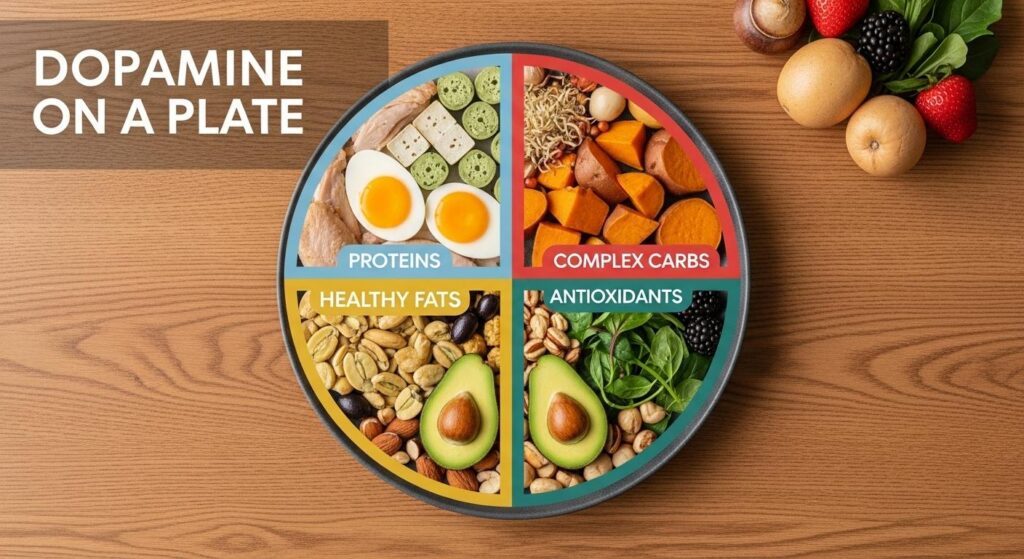
Restoring the brain’s reward centre and the capacity to experience natural pleasure is a key goal for those recovering from addiction. Food, diet, and eating habits play a pivotal role in resetting these disrupted pathways.
At One Step Rehab, we encourage clients to view food not just as sustenance, but as an integral part of therapy, prevention, and healing. Thoughtful choices about what we eat can help the brain’s dopamine system recover, promote physical and mental well-being, and support the wider goals of any addiction treatment program. Carefully selected, nutritious foods guide the body and mind toward authentic satisfaction, helping to beat addiction and restore a sense of balance in daily life.
Choosing Foods That Boost Well-being and Beat Addiction
Rebuilding the ability to experience genuine pleasure after drug or alcohol use isn’t an abstract process; it’s rooted in practical, evidence-based steps that help repair the brain’s reward pathways. The right foods can help restore dopamine balance and reawaken the reward centre, and for anyone who’s battled addiction, these nutritional strategies are among the most accessible tools available. By emphasising well-being through diet, we offer each client at One Step Rehab the opportunity to transform eating into a daily act of therapy and recovery.
Let’s start with the science: dopamine is one of the primary neurotransmitters in the brain responsible for pleasure, motivation, and reward. After repeated drug use, dopamine signalling can be impaired, leaving people feeling flat or disinterested in natural rewards like eating, social connection, or achievement.
The “dopamine diet” directly addresses this by incorporating foods that support dopamine production and transmission, helping to normalise levels in the body. For example, protein-rich foods, such as lean meats, poultry, fish, eggs, beans, and dairy, provide amino acids, such as tyrosine, which the body needs to make dopamine. Including these foods in meals and snacks throughout the day supports a steady supply of building blocks for brain repair.
Complex carbohydrates from whole grains, brown rice, sweet potatoes, and oats provide consistent fuel for the brain’s reward centre, preventing the dopamine “crashes” that often follow processed sugar or refined carbs. These foods help regulate blood sugar levels, which are closely linked not only to energy and mood but also to dopamine stability.
For anyone trying to beat addiction, avoiding wild blood sugar fluctuations translates to more predictable feelings of well-being and fewer moments of vulnerability to drug cravings. Vividly coloured fruits and vegetables, such as berries, spinach, kale, and bell peppers, deliver antioxidants that the body needs to heal damaged neuronal pathways. This antioxidant power not only supports the brain’s renewal but also reduces inflammation associated with withdrawal and stress symptoms, creating an internal environment where pleasure can be experienced without drugs.
Omega-3 fats found in walnuts, chia seeds, flaxseeds, and cold-water fish enhance brain function, protect the reward centre, and may even increase sensitivity to dopamine, making authentic enjoyment possible once more.
At One Step Rehab, we advocate mindful eating routines as another way to reinforce the reward pathways. When meals are savoured, and eating becomes a conscious act, the body and brain sync up, making it easier to notice true hunger, fullness, and pleasure cues. This retrains the reward system, healing the disconnect caused by addiction and helping you reconnect with joy from everyday experiences.
We guide clients to structure their eating, regular meals, balanced macronutrients, and planned snacks so dopamine levels are stabilised, withdrawal symptoms are minimised, and motivation is maintained. It’s important to acknowledge that the road to restoring pleasure through food is unique to each person.
Some people may initially struggle to find enjoyment in eating, a symptom of dopamine depletion. That’s why we recommend gradual exposure to a variety of wholesome foods, gentle encouragement to try new flavours or textures, and compassionate support when setbacks occur. For those who feel overwhelmed, practical prevention strategies include preparing meals in advance, arranging support networks for shared meals, or taking part in cooking therapy, all of which we facilitate at our centre.
Food alone isn’t a cure for addiction, but it’s a powerful and underutilised ally, one that enhances all other aspects of therapy and recovery. By treating each meal as an act of self-care, clients at One Step Rehab can gradually reclaim pleasure, reinforce the brain’s natural reward system, and take control of their health.
If you or someone you know is struggling to beat addiction, remember that every meal is a chance to heal. Our team is here to support your journey, one positive choice at a time, until authentic well-being is fully restored.
Why One Step Rehab Combines Fitness, Diet, and Therapy for All Clients
At One Step Rehab, we’re committed to a comprehensive approach that unites fitness, diet, and therapy for all clients. People struggling with addiction benefit most when their treatment programs address both the brain and body’s needs.
By blending fitness routines, tailored diets, and evidence-based therapy, our centre creates an integrated environment that supports every stage of overcoming dependence on drugs or alcohol. This method is rooted in the understanding that true recovery is more than detox; it’s about sustainable change, rebuilding healthy habits, and giving people practical tools to manage symptoms, prevent abuse, and foster genuine well-being for lasting results.
An Integrated Approach to Overcoming Drug and Alcohol Dependence
One Step Rehab stands apart as a drug and alcohol addiction treatment centre because we believe a truly effective program must care for the brain and body in tandem. Drawing from the latest in addiction science, our integrated approach recognises that recovery from drug addiction or alcohol dependence is far more successful when fitness, diet, and therapy work cohesively for all clients, not as separate pieces, but as interlocking supports for healthy change.
As a psychologist, I’ve witnessed the profound impact this synergy has on people’s ability to overcome abuse and dependence, implement sustainable new habits, and reclaim ownership over their lives. Our philosophy begins with understanding how drugs and alcohol disrupt both physical well-being and psychological stability.
Substance abuse, whether it’s alcohol or other drugs, alters dopamine levels and the reward centre’s function in the brain, making it harder to find pleasure in everyday activity. This leads to dependence, where repeated exposure to substances reshapes the brain and undermines the body’s natural healing processes. By providing structured treatment programs that include fitness, nutrition, and therapy, we address not just the symptoms but the root causes underpinning addiction, detox, and relapse cycles.
Fitness is a cornerstone of our program because physical activity directly stimulates healthy dopamine activity in the brain and supports detoxification. Regular exercise helps restore natural motivation and pleasure, replacing the artificial highs of drugs or alcohol with the genuine satisfaction of movement and progress.

For many people, engaging in tailored fitness sessions fosters self-discipline, resilience, and a renewed sense of achievement, all of which translate into higher rates of completion and success in our centre’s treatment programs.
Diet is equally critical. As previously explored, what we eat profoundly affects dopamine and the body’s capacity to heal. At One Step Rehab, meals are designed to provide optimal nutrition, stabilise energy, and rebuild neurotransmitter reserves depleted by substance abuse.
From protein-rich food for brain repair to antioxidants that support recovery from alcohol or drugs, our culinary approach is both preventive and restorative. Clients learn how a balanced, dopamine-friendly diet helps regulate mood, energy, and cravings, which is vital for breaking cycles of abuse and helping men re-engage in life’s daily pleasures.
Therapy ties everything together. Our clinical team uses cognitive behavioural therapy (CBT), mindfulness, and 12-step facilitation to guide clients in understanding the psychological drivers behind addiction and substance use. These sessions foster self-awareness, provide relief from symptoms like anxiety or depression, and equip clients with the coping tools crucial for long-term prevention of relapse and continued abuse.

But therapy doesn’t just happen in the sessions. It happens in the community, the group exercise, and the shared meals, which all create therapeutic moments where clients support each other, model healthy behaviour, and build the trust needed for genuine personal change. The result is a centre where every component of treatment, fitness, diet, and therapy supports the others, giving clients the best chance of overcoming drug and alcohol dependence for good.
This integrated approach isn’t just theoretical; it’s demonstrated daily at One Step Rehab as our clients achieve milestones, regain health, and take their first real steps toward a future free from substance abuse.
If you want an example of how holistic care transforms lives, you’ll find it in the stories of our clients who have found lasting change and true well-being through our unique program. Ready to experience this difference? Take one bold step with us, and let’s walk the path to recovery together.
Choosing the right foods and a supportive environment can make a significant difference in your recovery journey. At One Step Rehab, we combine expert-led dopamine diet planning with holistic addiction treatment, creating a personalised program that strengthens your mind and body.
If you or a loved one wants to restore balance, energy, and a sense of purpose, we invite you to learn more about our approach. Contact our team today for a confidential assessment, or download our free guide to the dopamine diet and take your first step towards lasting recovery and renewed well-being.
Fact checked by Dr. Worapakthorn Kongpesalaphun (M.D.) Consultant Psychiatrist.

Naranchaya Sriburapar, Ph.D.
Dr. Naranchaya Sriburapar is a Thai Licensed Senior Clinical Psychologist with over 20 years of experience in mental health and addiction treatment. She holds a Ph.D. in Cognitive Psychology/Neuropsychology from the University of Kent, UK. Her exp...
Learn more about Naranchaya Sriburapar, Ph.D.