


Understanding who qualifies for inpatient alcohol rehab is the crucial first step for individuals and families seeking effective and lasting recovery from alcohol addiction.
This comprehensive guide provides psychological insight into the criteria for inpatient treatment, helping you determine if a residential program is the right fit.
Brief Overview
Deciding on inpatient alcohol rehab is a significant move toward genuine recovery, especially for those facing severe dependence, repeated relapse, or co-occurring mental health challenges.
At One Step Rehab, we conduct a comprehensive assessment to guide our admissions process, ensuring safety and individualized care. Like many Thai rehab centers, our program includes evidence-based therapies, supervised detox, and ongoing support in a nurturing, structured environment.
One Step Rehab in Chiang Mai stands out, however, because of our unique fitness program. This is especially beneficial for alcohol-dependent clients, as restoring brain function is a crucial part of alcohol recovery, and one of the best ways to do that is with cardio and other forms of intensive exercise.
Key Highlights
- Inpatient alcohol rehab is recommended for those with severe addiction to alcohol (morning drinking), frequent relapse, or co-occurring mental health issues needing structured, round-the-clock care.
- Admission to inpatient rehab involves a comprehensive medical and psychological assessment to tailor a treatment plan suited to the individual’s unique needs and avoid dangerous medical events like a heart attack or seizure.
- Supervised detox within rehab ensures safety, comfort, and immediate medical intervention during alcohol withdrawal and seamless movement into the therapeutic track after medical supervision and clearance.
- Dual diagnosis care is integrated at One Step Rehab, addressing both substance abuse and mental health disorders, which commonly co-occur with alcoholism.
Understanding Inpatient Alcohol Rehab: Who Is It For?
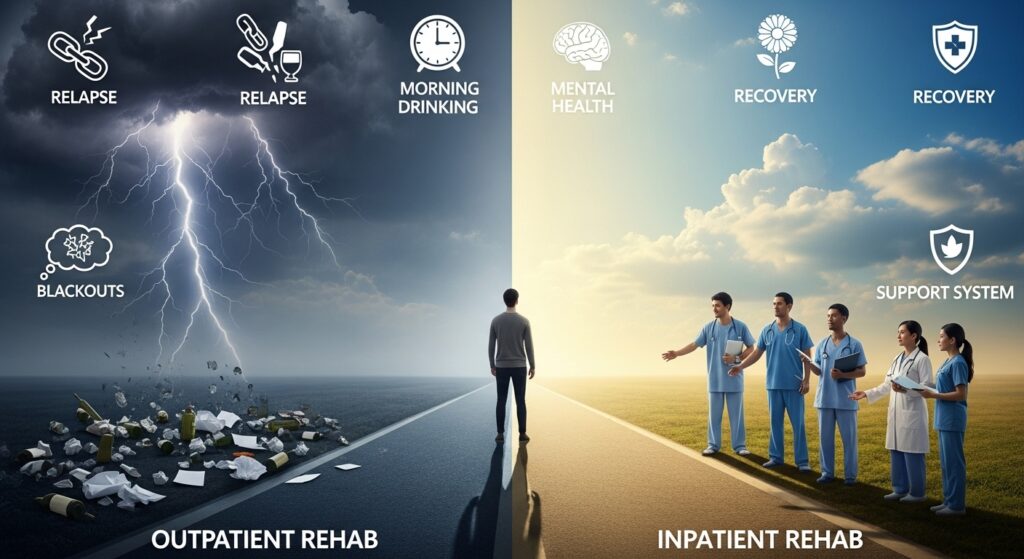
Choosing the right treatment path for alcohol addiction is both a personal and clinical decision. Inpatient alcohol rehab is designed for people who are daily drinkers, morning drinkers, or even binge drinkers (if the consequences of those binges are serious enough).
Ultimately, if the individual has found they cannot stop, even though they want to, then they may require structured support to overcome alcohol dependence. Residential rehab is suited to anyone who finds they can’t get sober at home. This includes those facing persistent relapse, severe alcohol dependence, or co-occurring psychological disorders that complicate recovery.
The immersive nature of inpatient care means 24/7 access to group therapy, medical supervision, and peer encouragement, all of which are evidence-based to produce better outcomes and strengthen long-term addiction recovery. For example, one study (Moos 2007) found that treatment environments with peer interaction were strong predictors of long-term recovery than individual one-on-one therapy alone.
Key Signs You May Need Inpatient Alcohol Rehab
Recognizing the pivotal moment to seek inpatient alcohol rehab often begins with acknowledging the complex web of alcohol dependence, behavioral changes, and failed attempts at sobriety.
Persistent cravings and an inability to control drinking despite negative consequences are key indicators that a person might need comprehensive inpatient care. When alcohol has become the primary focus in life, impacting relationships, work, or even physical health, it’s a strong warning that outpatient treatments may not be sufficient for effective recovery.
Many individuals who benefit most from inpatient rehab experience repeated relapses after previous attempts at quitting, highlighting the chronic nature of alcohol addiction and the need for more robust support systems.
Medical complications related to alcohol, such as liver disease, or withdrawal symptoms like tremors and seizures, or even frequent blackouts, signal an urgent need for residential rehab where medical supervision and ongoing therapy are available around the clock. It is highly unlikely that people exhibiting these signs and symptoms will be able to get sober at home.
Co-occurring issues, such as anxiety, depression, or other mental health disorders, also point to the necessity of inpatient treatment programs where psychiatric care is available. At One Step Rehab, our evaluation considers both substance abuse patterns and these psychological dimensions to craft a holistic dual diagnosis recovery plan.
In addition, those who lack a stable or supportive home environment may struggle to maintain sobriety alone, making the structured and nurturing setting of inpatient alcohol rehab crucial.
Residential treatment ensures that the client is removed from negative influences and triggers, which are abundant in their home community. They offer a space where evidence-based interventions like cognitive behavioral therapy, detox, and individual counseling can take place and where you are surrounded by others in the same boat.
If your alcohol use has led to problems with daily functioning or legal consequences, don’t wait for it to get worse. Comprehensive alcohol rehabilitation is not just a clinical treatment; it’s a pathway to regaining control over your life. It might just save your life! Admitting to a rehab is your first bold step toward transforming your life and achieving sustained recovery.
Criteria for Inpatient Alcohol Rehab Admission
Understanding the criteria for inpatient alcohol rehab admission is vital for individuals and families seeking the most effective path to recovery. It hinges on a comprehensive evaluation, considering both medical and psychological factors, the alcohol addiction, and maybe other substance abuse as well. The assessment process is tailored to identify each client’s unique challenges, including:
- Severity of the disorder (amount and duration)
- Co-occurring mental health concerns
- The degree of functional impairment
- Existence of other chronic illnesses
At One Step Rehab in Chiang Mai, our admission criteria will also consider the level of care you need through detox and treatment.
Medical and Psychological Factors Considered During Evaluation
When a person is being assessed for rehab admission to an inpatient alcohol treatment center, the human touch is the most important thing. At One Step Rehab, we believe that this is not just a time for making a thorough evaluation of your medical and psychological support needs, but also a time to build a therapeutic alliance with us, your team. You should come out of the assessment feeling motivated and ready for change.
This process is crucial for ensuring that each client receives individualized care and that the inpatient treatment environment is suited to their unique needs. Criteria for inpatient alcohol rehab generally begin with a careful review of:
- A person’s alcohol use history
- Previous attempts at recovery
- The presence or absence of co-occurring disorders alongside substance abuse
Medical professionals look closely at the physical health risks posed by ongoing alcohol addiction, such as age, liver dysfunction, cardiovascular concerns, or neurological symptoms, all of which may necessitate immediate detox and 24/7 monitoring during residential rehab.
Psychological assessment forms a cornerstone of rehab admission, focusing on mood disorders, anxiety, depression, and any psychiatric conditions that could interfere with self-management during outpatient care.
If a person shows evidence of severe mood swings, persistent depression, or suicidality, these factors underscore the importance of a structured inpatient treatment program, where ongoing therapy and crisis intervention are constantly available. Psychological and behavioral evaluations also help identify patterns of denial, minimization, or ambivalence, which are often barriers to sustained recovery for many struggling with addiction and substance abuse. All of this information can then be passed on to your counselors, who can build a treatment plan to target these specific issues during treatment.
At One Step Rehab, our multidisciplinary team takes a holistic view of each client’s unique situation, looking not just at the addiction but at their overall life situation, their relationships, and their coping skills. The assessment weighs how much family involvement may be necessary. Where appropriate, family therapy can play a crucial role in tandem with the client’s own personal journey.
Admission criteria also consider whether a client’s alcohol use disorder and co-occurring issues pose safety risks to themselves or others. It is important for us to conduct a thorough risk assessment before admission to keep everyone safe. For example, those with active psychosis or recent, serious offending histories will probably be denied treatment and be signposted to a higher level of care at another facility.
The Role of Detox in Alcohol Addiction Recovery
Detox serves as the essential gateway to effective alcohol rehab, forming the first critical step in addiction recovery. Without effective and comfortable detox, ongoing treatment is impossible.
Successfully managing detox alcohol withdrawal is fundamental, as it creates a safe foundation for the therapeutic work that follows in residential treatment.
At One Step Rehab in Chiang Mai, detox isn’t an isolated process but an integrated part of comprehensive addiction treatment. We engage our peers and recovery coaches to support newly arrived clients through the detox phase before they enter our main program. This is called our ‘buddy system.” It helps a lot to know that there are special dedicated people you can turn to when you just want to talk, even outside of counselling hours. If possible, we also like our detoxing clients to engage in gentle holistic therapy groups and receive basic recovery coaching through the detox process.
What to Expect from a Supervised Detox at a Rehab Facility

Undergoing a supervised detox at an alcohol rehab facility can be more than just a medical necessity; it’s a vital moment where the process of change moves from decision into action.
Upon arrival, individuals undergo a thorough orientation. A medical evaluation of vital signs is taken, and then withdrawal symptoms are managed through the CIWA-Ar monitoring system.
The CIWA-Ar is a standardized clinical tool used to assess the severity of alcohol withdrawal symptoms. It is the international gold standard for monitoring alcohol withdrawal in hospitals, detox units, and residential rehabs. When a client is admitted for alcohol detox, we complete a CIWA-Ar assessment as part of the initial medical evaluation. This allows us to establish a baseline. We then measure the client’s starting level of withdrawal so we know:
- How severe the symptoms are
- How quickly they are progressing
- Is medical intervention needed immediately
Withdrawal symptoms typically increase over the first 6–24 hours. CIWA-Ar allows us to safely track these changes and helps guide medication decisions.
As the detox resolves (around day 4-7), psychotherapy can begin. Round-the-clock monitoring by our medical and counseling staff continues, though, in order to address remaining symptoms like anxiety, insomnia, irritability, and physical discomfort.
Nutritional support, hydration, and gentle activity are also part of our holistic detox approach, reinforcing the body’s ability to recover from the damage inflicted by alcohol dependence. Where necessary, we may also use other medicines and supplements such as thiamine, L-theanine, and GABA to help restore brain function and sleep patterns.
Most clients say that the withdrawal process, though challenging, is significantly less daunting when guided by professionals who not only understand the clinical aspects of the disorder and withdrawal but also provide constant encouragement. Support from peers in treatment who have also recently been through the same process also really helps.
All of this should make it clear why detoxing at home is so difficult and why many people opt for residential treatment instead.
Choosing a supervised detox at a rehab facility offers numerous advantages that can greatly improve safety, comfort, and effectiveness during the early stages of recovery.
- 24/7 medical monitoring helps promptly address withdrawal symptoms and prevent complications.
- Access to professional support ensures individual needs are met throughout the detox process.
- Medications may be used to ease discomfort and reduce cravings.
- A safe, structured environment minimizes risks of relapse during this critical phase.
- Emotional and psychological support is offered by trained staff and counselors.
- Nutritional and hydration support enhances physical well-being during withdrawal.
- On-site emergency care is available if unexpected health issues arise.
- Supervised detox prepares individuals for ongoing treatment and long-term sobriety.
Exploring Comprehensive Treatment Programs for Alcohol and Rehab
When embracing the journey to recovery, it’s crucial to understand the variety of methods that constitute effective treatment programs for alcohol dependence, or any other addiction. Comprehensive care considers not just the initial detox and stabilization but also extends into structured therapy sessions.
Residential treatment, or inpatient care, removes individuals from daily stressors, allowing for greater immersion in therapeutic interventions and peer support. Therapy is your chance to process difficult emotions that have been blocked by repeated alcohol use and hear other people’s experiences, bolstering your understanding of your condition.
As a psychologist involved in addiction treatment, I have seen the benefits and limitations of both inpatient and outpatient settings. Usually, people with more severe issues need longer-term inpatient treatment. This is because the level of immersion into the therapy process that they need to create lasting change in their lives is much greater.
How Inpatient Alcohol Rehab Differs from Outpatient Options
Understanding the differences between inpatient alcohol rehab and outpatient treatment options is key to lasting recovery. Inpatient treatment programs provide a more immersive environment, often referred to as ‘residential’ treatment, or simply ‘rehab.’ This is where individuals stay at the center and participate in a comprehensive blend of therapy, group support, and medically supervised care.
The total number of hours that they will spend in both group therapy and one-to-one therapy is much higher. Typically, an inpatient rehab might conduct 6-12 hours a week of formal group therapy, 2-3 hours of one-to-one therapy, and 5 hours of psychoeducation and relapse prevention classes. Outpatient programs tend to be 1 hour a week each. Outpatient programs also enable clients to return home after each treatment session, maintaining aspects of their daily life and external relationships.
The residential approach is more appropriate for clients with severe addiction, complex substance abuse histories, or co-occurring mental health disorders, because these are people who would struggle with the temptations, distractions, or lack of support found in outpatient programs.
While outpatient care suits those with milder forms of alcohol disorder or robust social support systems, it can present unique challenges for clients at higher risk of relapse or those whose environments may trigger substance abuse.
Outpatient options may offer regular therapy and group sessions, but the absence of round-the-clock care means crisis situations or withdrawal complications might not be addressed immediately, highlighting the safety advantages of inpatient centers like One Step Rehab. Inpatient treatment programs minimize exposure to enabling influences and allow focused attention on healing, fostering a sense of belonging, security, and sustained progress in recovery.
In making your decision about choosing between inpatient and outpatient care, I would caution people to avoid choosing convenience (e.g., outpatient) if the reality is that their addiction is very serious. The decision should be informed by the true nature of the disorder, such as the history and severity of the alcohol or substance abuse, not what is easiest. Also, it’s worth considering the level of mental health problems and the readiness for change. For those who are more ambivalent, a more structured environment is also indicated.
Comprehensive residential services, like those at One Step Rehab, are designed for clients with moderate to serious addiction issues. For individuals who require a bit more than intermittent support, our level of inpatient care can offer a transformative setting where they are introduced to recovery for the first time, and many of their problems and issues can begin resolving, enabling them to get the addiction under control before it takes over their life.
For those with more chronic histories, One Step Rehab can also be the treatment center that finally arrests your addiction. We have very experienced staff with multiple decades of experience dealing with every facet of addiction and associated disorders.
In the end, the heart of effective rehabilitation lies in customizing treatment programs to fit the individual’s needs, ensuring that each person receives the care and support they need.
Addressing Co-Occurring Substance Abuse and Mental Health Concerns
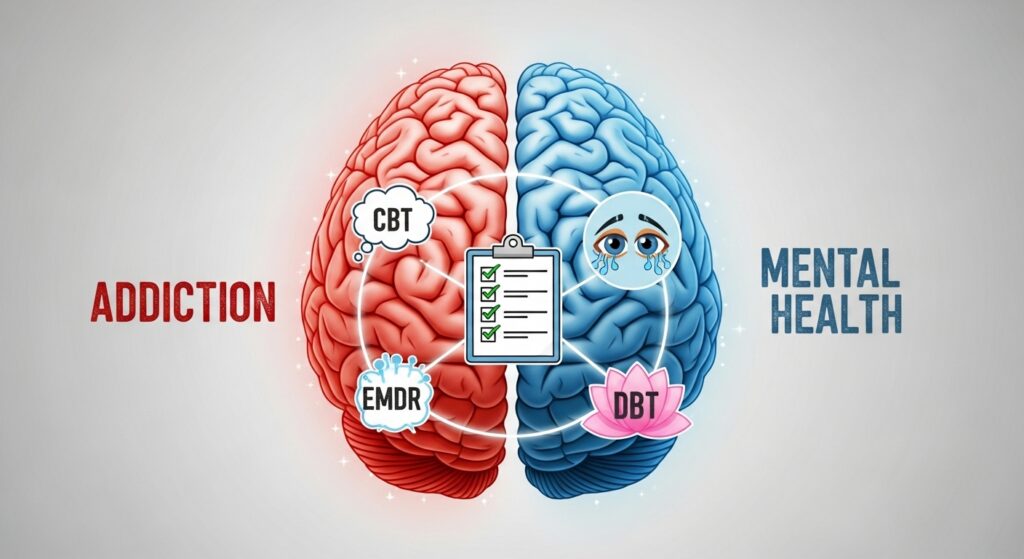
Treating substance abuse becomes considerably more complex when mental health concerns are also present.
Many of our clients, when entering inpatient alcohol rehab, face dual diagnosis, where addiction and a mental health disorder occur simultaneously. The most common psychiatric conditions that co-occur with addiction are depression, anxiety, ADHD, and PTSD. Without integrated care, progress in one area often falters due to challenges in the other.
The most effective residential rehab programs, like those at One Step Rehab, offer comprehensive therapy, medical support, and specialized services woven together to address co-occurring disorders.
This approach ensures that both substance abuse and mental health needs receive equal attention, leading to more sustainable recovery. Recognizing the importance of dual diagnosis care within inpatient treatment. If left untreated, these issues can pose a relapse risk upon discharge.
Integrating Dual Diagnosis Care at a Residential Rehab Centre

When individuals struggle with both substance abuse and a mental health disorder, traditional addiction treatment on its own often isn’t enough. At One Step Rehab, we understand that addressing co-occurring disorders is essential in any residential rehab setting.
Our team starts with a detailed evaluation to identify both the addiction and any underlying mental health concerns, ensuring that the inpatient treatment plan is comprehensive from the outset. This evaluation forms the bedrock of our dual diagnosis services and allows us to tailor therapy, counseling, and medical care to support every aspect of recovery.
Within our residential program, every client is provided with consistent inpatient care that bridges both substance abuse and mental health interventions. Evidence-based therapies for disorders commonly associated with addiction, like PTSD, depression, and ADHD, include:
- Cognitive Behavioural Therapy (CBT)
- EMDR (eye movement desensitization and reprocessing)
- DBT (dialectical behavioural therapy)
- MBSR (mindfulness-based stress reduction)
These are all offered by specialists at our center who are experienced in dual diagnosis treatment. These therapeutic elements are integrated with psychiatric services, ensuring clients receive medication management (such as SSRIs and SNRIs) when necessary, as well as ongoing assessment for symptoms of anxiety, depression, or trauma, and help taper those medications if appropriate.
By joining addiction recovery and mental health treatment under one roof, our treatment center delivers seamless support that keeps both issues in focus, minimizing the risk of relapse and promoting a steady path toward wellness. At the heart of our dual diagnosis approach is the understanding that addiction and mental health disorders impact one another. A thorough relapse prevention and aftercare plan is also provided by our clinicians on discharge, which may involve seeing a specialist in our international network of providers on your return home.
This standard of care, known as dual diagnosis capability, requires frequent re-evaluation by our clinical team, ensuring your treatment adapts as you progress. The result of this model, proven at centers like One Step Rehab, is an environment where clients achieve meaningful, lasting recovery, supported by a team that recognizes the unique needs of those with co-occurring disorders.
As you move through inpatient alcohol rehab, the focus on dual diagnosis care empowers you to tackle the full spectrum of challenges, creating the strongest possible foundation for a future free from addiction.
| Challenge | Integrated Approach | Specialized Services | Benefits |
|---|---|---|---|
| Co-occurring mental health and substance use disorders | Coordinated treatment addressing both disorders simultaneously | Multidisciplinary teams, individualized care plans, evidence-based therapies | Improved symptom management and reduced risk of relapse |
| Fragmented care between mental health and addiction services | Unified care delivery within a single residential setting | Psychoeducation, peer support, ongoing assessment | Enhanced engagement and continuity of care |
| Stigma and barriers to accessing treatment | Supportive, nonjudgmental environment fostering trust | Family involvement, trauma-informed practices | Greater treatment retention and holistic recovery |
Benefits of Inpatient Alcohol Rehab in a Supportive Environment
Stepping into inpatient alcohol rehab marks the beginning of a life-changing journey. Many clients report that their time spent in the structured and supportive environment at One Step was a pivotal moment in their lives.
In a residential setting like One Step, individuals are embraced by a compassionate team dedicated to every aspect of recovery, from comprehensive therapy and medical supervision to holistic wellness activities. From the rural Thai community that surrounds us to the gentle manner of Thai physicians, masseurs, and physical trainers, you will experience a healing journey that simply isn’t possible in the West.
Within this nurturing space, clients can focus fully on overcoming addiction, exploring life-transforming wellness experiences, and building the skills necessary for long-term sobriety. The exclusive cultural backdrop of Thailand obviously enriches this process immensely.
Cultural and Wellness Experiences Unique to Treatment in Thailand

Choosing inpatient alcohol rehab in Thailand provides far more than just high-quality therapy and medical support; it immerses individuals in a holistic environment where cultural enrichment and wellness become intrinsic parts of the recovery process.
At One Step Rehab, here in Chiang Mai, this approach is woven through all program elements, reflecting our belief as psychologists that psychological healing and cultural connection are mutually reinforcing.
The tranquil setting of Chiang Mai, with its green rice fields, misty mountains, and centuries-old temples, offers an environment that naturally encourages reflection, grounding, and reconnection with oneself, all vital components of substance abuse recovery. The influence of authentic Thai culture is evident, not only through excursions to vibrant local markets and peaceful monasteries, but also in every aspect of hospitality, support, and daily life at our center.
Integrating Thailand’s renowned traditions of mindfulness and wellness, our inpatient care invites clients to participate in meditation sessions guided by Buddhist monks and structured wellness programs that extend beyond standard therapy. These experiences encourage present-moment awareness, an evidence-based tool for managing cravings and emotional triggers that contribute to alcohol addiction.
Traditional Thai fitness classes, yoga, and fitness boot camps centered around Muay Thai boxing classes are seamlessly included within our residential treatment offerings. These activities support overall physical health via both strength training and cardio training and establish healthy routines that reinforce long-term recovery.
A sense of community is fostered through group cooking classes highlighting nutritious, local cuisine and through opportunities to explore Thai arts and crafts, reinforcing self-efficacy and personal achievement.
Clients at One Step Rehab also benefit from an environment where our team members are from a multitude of different cultural backgrounds. We are attuned to the healing power of cultural immersion and wellness. Our residential center integrates these values, ensuring that each individual receives personalized inpatient care, attentive therapy, and daily support from our multicultural team, which includes Brits, Americans, Australians, Thais, and Burmese.
In sum, the unique cultural and wellness opportunities available to those receiving care in Chiang Mai set a powerful foundation for sustainable alcohol recovery, turning residential rehab into an experience of renewal, inspiration, and hope for a healthier, substance-free future.
What Sets One Step Rehab Apart for Inpatient Alcohol Recovery?
When considering inpatient alcohol recovery, the distinctive approach and comprehensive environment at One Step Rehab elevate the entire rehabilitation experience. Rooted in the belief that recovery extends beyond detox and therapy, One Step blends compassionate care, evidence-based treatment, and world-class services at our residential rehab center in Chiang Mai.
Our modern facilities and unique amenities also empower individuals throughout every phase of their program. With a foundation in psychological expertise and Thai hospitality, One Step transforms residential treatment into a life-changing journey, setting a new standard in inpatient care and addiction recovery. We are confident that with our unique approach using Muay Thai boxing for recovery, as well as our dopamine-smart menu, we are one of a kind in the addiction treatment field.
Facilities, Amenities, and the One Step to Recovery Approach

At the core of successful inpatient alcohol rehab is an environment that inspires trust, motivation, and personal transformation, and this is exactly what the One Step Rehab treatment center provides.
Our Chiang Mai facility has been meticulously designed to offer not just physical comfort but a structured, supportive space for authentic recovery. The inpatient center boasts comprehensive sporting amenities such as a dedicated pickleball facility, tennis courts, and soccer pitches, as well as private accommodation, beautiful lounges, outdoor gardens, serene meditation rooms, and world-class Muay Thai training, all of which are available to clients. These features combine to create a sanctuary for those seeking refuge from addiction and improvements in their metabolic health.
Services at One Step extend far beyond traditional inpatient care. Nutritional guidance, art therapy, psychoeducation workshops, relapse prevention planning, and ongoing aftercare support are core parts of our program. At One Step, we feel that we’ve created a treatment center where safety, privacy, and dignity are prioritized, reflecting the respect and encouragement every client deserves. Recovery isn’t just about treating symptoms; it’s about empowering individuals to reclaim their lives.
Practical Advice for Beginning Your Treatment Journey
Embarking on the road to recovery through inpatient alcohol rehab marks a powerful turning point, but the process of admission and early preparation often feels overwhelming.
At One Step Rehab, we understand how important it is for individuals and families to feel informed, empowered, and confident as they take those first steps toward comprehensive care. Practical advice, actionable steps, and thoughtful tips can help ensure a smooth and stress-free rehab admission, laying the foundation for effective therapy, supportive services, and sustained recovery. That’s why our admissions team is on standby 24/7.
Actionable Steps and Tips for a Smooth Inpatient Rehab Admission
Beginning your treatment journey at a residential alcohol rehab center is a decisive move toward regaining control and building a lasting recovery. As a psychologist with One Step Rehab, I’ve witnessed firsthand how thoughtfully navigating this early stage, armed with practical advice and clear information, makes all the difference in setting expectations and reducing anxiety about what comes next. The first step is to gather as much information as possible about available programs, therapy modalities, and the admission process at your chosen center. Don’t hesitate to reach out directly to the admissions team to ask detailed questions about support structures, detox options, daily routines, services provided, and what documentation or insurance information you’ll need for a seamless start.
Before arriving for inpatient rehab admission, it’s wise to organize your personal and medical records, a current medication list, and evidence of insurance coverage, if applicable. Many high-quality centers, like One Step Rehab, offer comprehensive guidance to help clarify insurance benefits and ensure there are no surprise costs, giving you peace of mind so you can focus squarely on recovery. Additionally, set aside time to involve family or trusted friends in your planning. Their encouragement and support are invaluable, not only as you prepare for admission but also as ongoing pillars throughout your treatment and therapy. Discuss your goals with them, outline plans for communication during residency, and clarify any legal or work-related documentation that should be settled prior to admission.
Packing for your inpatient program should focus on comfort and functionality. Bring appropriate clothing, modest personal items, and any materials suggested by the center, such as fitness attire or journals for therapy assignments. At One Step Rehab, our team can provide a detailed packing checklist and answer all logistical queries, ensuring your arrival is as smooth as possible. If detox is required, rest assured that a professional team will guide you safely from the initial assessment through the full detox process, integrating therapy and supportive care from day one.
Finally, take a moment for self-reflection. Beginning this journey means embracing a mindset of openness and readiness to engage in therapy, accept support, and take full advantage of all residential rehab services. Remember, every aspect of the program, from medically supervised detox to daily group therapy and leisure activities, is designed to foster comfort, safety, and personal growth.
Your commitment to the actionable steps outlined here will ease your transition, allowing you to settle quickly into the One Step to Recovery program. By approaching admission armed with information, practical advice, and the proactive support of our team, you’re not just entering rehab; you’re opening the door to genuine and lasting transformation.
Final Thoughts
Deciding to seek inpatient alcohol rehab is a life-changing step toward lasting recovery. At One Step Rehab, we understand that each individual’s journey is unique, and our team is dedicated to supporting you every step of the way.
If you or a loved one is considering inpatient treatment, remember that the most important qualification is the willingness to seek help and commit to healing. Reach out to our caring admissions team today to explore your options and take your first step toward a healthier, alcohol-free future in the heart of Chiang Mai, Thailand.
References
Rudolf H. Moos, Bernice S. Moos, “Protective resources and long-term recovery from alcohol use disorders,” Drug and Alcohol Dependence, Volume 86, Issue 1, 2007, Pages 46-54,
Fact-checked by: Dr. Worapakthorn Kongpesalaphun (M.D.), Consultant Psychiatrist.

Naranchaya Sriburapar, Ph.D.
Dr. Naranchaya Sriburapar is a Thai Licensed Senior Clinical Psychologist with over 20 years of experience in mental health and addiction treatment. She holds a Ph.D. in Cognitive Psychology/Neuropsychology from the University of Kent, UK. Her exp...
Learn more about Naranchaya Sriburapar, Ph.D.