


Understanding Inpatient Substance Abuse Rehab
Inpatient substance abuse rehab is a critical pathway toward overcoming addiction and achieving long-term recovery. At One Step Rehab, our focus on inpatient care is drawn from proven medical and therapeutic practises, guiding individuals through structured, intensive programmes.
Residential treatment offers both a safe environment and comprehensive support systems, which differentiate it from outpatient care. Central to effective rehabilitation is understanding how inpatient drug rehab, addiction treatment, and substance use management come together to foster sustainable change.
Exploring the function and advantages of these inpatient programs provides clarity for patients and families seeking the most effective solutions on their recovery journey.
The Role of Inpatient Programs in Addiction Treatment
Inpatient programmes play an exceptionally pivotal role in addiction treatment, particularly for those experiencing persistent substance use issues. At One Step, we’ve witnessed how the transition into inpatient care can serve as a turning point in a person’s recovery process.
Unlike outpatient care, inpatient substance abuse rehab provides patients with consistent, 24-hour access to medical and therapeutic support. This round-the-clock supervision, integral to inpatient rehabilitation, offers a higher level of accountability while drastically reducing opportunities for relapse during vulnerable stages of recovery.
One of the foundational benefits of inpatient treatment is the structured, immersive environment it creates. At One Step Rehab, every component of our inpatient programs is specifically tailored to break the cycle of addiction by fostering healthy routines, productive daily schedules, and robust coping strategies.
Residential addiction treatment gives clients a chance to distance themselves from triggers or environments that may perpetuate substance use. The importance of this safe environment cannot be overstated. Patients are shielded from external stresses that can jeopardize early recovery efforts, allowing them to focus on healing and personal growth.
Inpatient drug rehab isn’t just about separation from enabling influences; it’s about comprehensive treatment. Patients participate in evidence-based therapies, individualized addiction treatment plans, and group sessions that address the physical, emotional, and behavioural aspects of substance use. The integration of therapies, ranging from cognitive behavioural interventions to medical management of withdrawal, ensures each patient receives holistic, patient-centred care.
Inpatient rehabilitation teams, often including physicians, nurses, licensed therapists, and addiction specialists, collaborate closely to monitor progress and adjust treatment as needed. This interprofessional approach is a cornerstone of effective addiction recovery and a hallmark distinction of inpatient rehab settings.
Furthermore, inpatient care is essential for individuals with co-occurring mental health disorders. Residential treatment environments can safely stabilise and treat both conditions simultaneously, reducing the chances of untreated mental health symptoms derailing the recovery process.
Ongoing evaluation by clinical teams ensures that any emerging needs are quickly met, supporting both immediate detoxification and long-term sobriety. Family involvement is also facilitated through structured visitation times and family therapy, fostering understanding and support networks that continue beyond the boundaries of inpatient programs.
Stepping into an inpatient substance abuse rehab represents a decisive start to the addiction recovery process. The immersive, supportive, and highly structured nature of inpatient care at One Step Rehab empowers patients to focus wholly on their treatment, laying a strong foundation for sustained recovery. From the initial assessment to ongoing therapeutic work, each moment in inpatient treatment is an investment in a person’s health, stability, and hope for a brighter, substance-free future.
As we advance, understanding the core benefits, clinical expertise, and holistic care offered in residential addiction programmes will further illuminate why inpatient settings are so critical for successful addiction recovery and lasting change.
Key Benefits of Inpatient Rehab for Substance Use Disorders
Engaging in inpatient rehab for substance use disorders delivers a multitude of benefits that elevate the recovery process far beyond what outpatient programs can offer. Inpatient care at One Step Rehab is centred on building foundations for long-lasting wellness, utilising structured environments, comprehensive medical and therapeutic support, and the power of a truly safe setting. Residents experience focused addiction treatment, continuous monitoring, and meaningful skill-building, all within a recovery-centred community.
A deeper dive into how structured environments enhance recovery, along with other core advantages, reveals why inpatient rehab stands as a leading choice in the pursuit of health, stability, and lifelong freedom from substance use and addiction.
How a Structured Environment Enhances Recovery
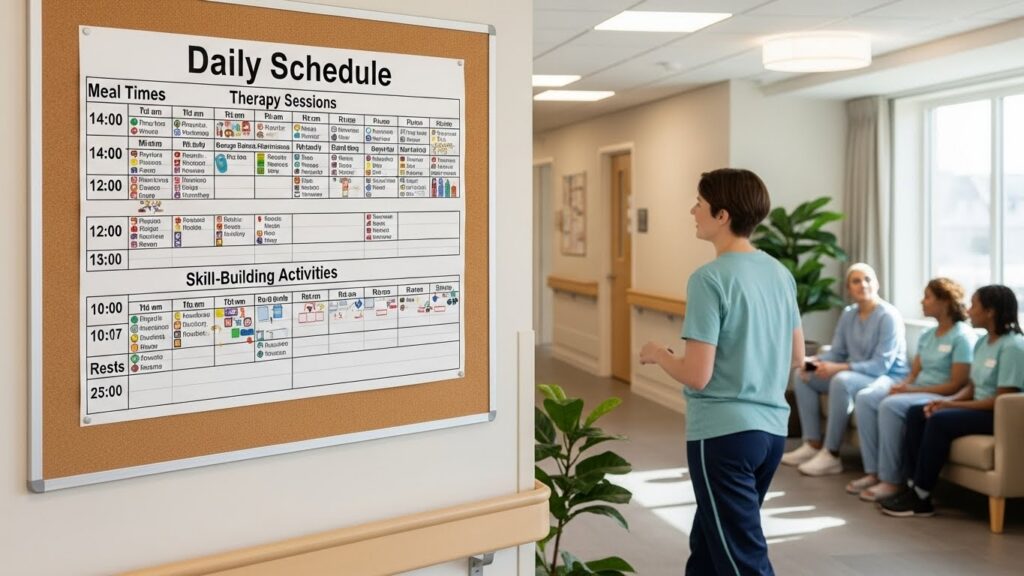
A structured environment is a cornerstone of effective inpatient rehab, especially when addressing the complexities of substance use and addiction. At One Step Rehab, we recognise that many individuals struggling with addiction have experienced environments lacking in predictability, routine, or consistent support. The benefits of a structured environment cannot be understated, as it lays the groundwork for stability, healthy routines, and the kinds of daily patterns essential for recovery.
Inpatient rehab creates a predictable framework, offering residents a daily schedule of therapeutic activities, meals, treatment sessions, medical evaluations, and rest periods. This predictable rhythm immediately reduces external chaos and anxiety, allowing individuals to fully engage in the recovery process without distraction.
A core benefit of this structure is the establishment of a safe environment where recovery is the sole focus. Away from access to substances and outside triggers, individuals are empowered to address deep-rooted issues related to addiction in a setting that minimises relapse risk.
Round-the-clock support is always available through medical professionals, licensed therapists, and peer groups. This ongoing care encourages participants to remain accountable; every step in treatment is guided by a team deeply invested in each person’s progress.
A structured environment also incorporates evidence-based treatment approaches: these may include cognitive behavioral therapy, group counseling, family therapy, or skill-building activities designed to enhance coping mechanisms and resilience. Every therapeutic intervention is delivered intentionally, reinforcing healthy behaviors and coping strategies that are transferable to life beyond treatment.
The presence of structure helps in rebuilding life and relationships disrupted by substance use. Each patient learns valuable life skills, communication techniques, and stress management tools, laying the foundation for continued growth outside the inpatient facility. Residents practise these skills daily in a supportive and supervised setting, receiving immediate feedback from therapists and peers.
The structured environment inherently cultivates a sense of community, which is vital for recovery. Shared experiences and collaborative exercises allow individuals to break the isolation that often accompanies addiction, replacing it with peer connection and empathy.
Medical and clinical supervision within this organized framework also plays a critical role. Regular medical assessments ensure any withdrawal symptoms or co-occurring medical concerns are managed promptly and safely.
Mental health care is provided alongside addiction treatment, addressing the dual aspects that underlie many substance use disorders. The combination of medical care, therapeutic routines, and daily structure leads to improved outcomes; not only does it shorten time to stabilisation, but it also increases the likelihood of maintaining sobriety after discharge.
Skill-building is emphasized throughout the inpatient rehab journey, with each day offering structured opportunities to learn and practice healthy habits, relapse prevention techniques, and self-care routines. Patients discover that regaining control and autonomy over one’s life is a gradual process, made possible by a nurturing and unwaveringly consistent environment.
Over time, the combination of a safe environment and a structured approach helps patients internalise discipline, resilience, and a renewed sense of purpose, all fundamental to sustaining long-term recovery. Ultimately, the structured environment provided by inpatient rehab programs delivers immense benefits for those grappling with substance use and addiction. It replaces uncertainty with routine, vulnerability with support, and isolation with genuine connection.
At One Step Rehab, our commitment to structured, therapeutic environments ensures that every individual receives the best possible chance to heal, learn vital skills, and achieve lasting recovery, truly embodying the comprehensive benefits of inpatient treatment for substance use disorders.
The Importance of Inpatient Detox in Comprehensive Treatment

Embarking on recovery from substance use or addiction often begins with a crucial phase, detoxification. Inpatient detox provides the foundation for successful treatment, ensuring medical supervision and a safe environment throughout withdrawal. By prioritising the individual’s health and safety, the combination of expert medical care and structured support available in inpatient settings like One Step Rehab is instrumental for sustainable change.
Focusing on the physical and psychological complexities of detox, these programmes anchor the larger continuum of rehab and addiction treatment, setting the stage for holistic healing and long-term sobriety.
Medical Supervision and Safety During Detoxification from Substances
Inpatient detox serves as a critical anchor within the broader landscape of addiction treatment, delivering both the medical supervision and care required to manage withdrawal from substances effectively. The journey to recovery frequently begins with the daunting reality of withdrawal, an experience that presents significant risks and discomfort if not properly managed.
At One Step Rehab, we recognise that withdrawal from substances such as opioids, alcohol, and various drugs demands not only compassionate support but also continuous medical attention to address the unpredictable nature of physical and psychological symptoms. Medical supervision in an inpatient detox setting is not merely a precaution; it is an essential safeguard for patient health throughout the challenging process of withdrawal.
The body’s response to abruptly discontinuing substances can result in a spectrum of symptoms ranging from mild discomfort to severe, life-threatening complications. This is especially true with opioid withdrawal, where symptoms can include severe cravings, gastrointestinal distress, cardiovascular instability, or intense anxiety.
Having medical professionals present allows for immediate intervention in case complications arise, ensuring that each stage of detox is handled with precision and care. Inpatient detox programmes offer a safe environment meticulously designed to protect patients from external triggers and the temptation to use substances during their most vulnerable phase. This safe setting enhances the likelihood of completing detox, significantly reducing the risks associated with attempting withdrawal alone or in less controlled environments.
Medical care extends to vital sign monitoring, medication management to alleviate withdrawal symptoms, hydration support, and nutritional interventions to replenish the body. With these measures, the risk of adverse outcomes during detox is greatly reduced, a benefit that increases both short-term safety and the long-term success of treatment.
Continuous medical observation enables rapid identification and management of emergent medical or psychiatric concerns. It’s not uncommon for individuals in detox to experience co-occurring medical conditions, some of which may require immediate and specialised medical attention. At One Step Rehab, our fully integrated approach to inpatient detox ensures seamless coordination between medical, therapeutic, and support teams. This holistic strategy not only addresses the physiological effects of withdrawal but also the psychological aspects of addiction, laying the groundwork for further therapeutic progress in subsequent stages of treatment.
Medical supervision is paramount when detoxing from opioids in particular. The opioid epidemic has underscored the necessity for rigorous medical protocols, as withdrawal can lead to intense cravings, severe physical symptoms, and potential relapse. Our trained addiction specialists are prepared to administer evidence-based treatments, such as medication-assisted therapies, to ease withdrawal, making the experience as safe and manageable as possible.
Each patient is treated as an individual, with medical plans tailored to the specific substances involved and their unique health history. This individualized care is vital to building patients’ trust and confidence at the outset of their addiction treatment journey.
The importance of a medically supervised inpatient detox extends well beyond immediate withdrawal management. It establishes a culture of safety, trust, and hope that is essential for healing. Patients are not only cared for physically, but their emotional and psychological needs are met through constant support, reassurance, and informed intervention. The integrated care model found at One Step Rehab ensures that the detox process seamlessly blends into ongoing rehab, maximising continuity and minimising the disruptions that can challenge early recovery.
In summary, undergoing detox in an inpatient setting, under constant medical supervision, delivers irreplaceable advantages. It provides a safe environment, attentive care, and evidence-based interventions for managing the full spectrum of withdrawal symptoms. For individuals beginning their path away from substance use, the assurance of health, safety, and compassionate support during detox places them on a strong footing for sustained recovery and lifelong change.
At One Step Rehab, we consider it our responsibility and privilege to guide individuals through this vital first step, laying a trustworthy foundation for the comprehensive treatment that follows.
Specialised Addiction Treatment Approaches in Inpatient Settings
Meeting the complex needs of patients facing substance abuse and addiction requires much more than standard care. At One Step Rehab, specialised addiction treatment approaches form the backbone of our inpatient programmes, combining individualised therapy, targeted interventions, and comprehensive clinical oversight for lasting recovery. Our focus extends to the rigorous support of dual diagnosis treatment, ensuring that co-occurring mental health disorders are addressed alongside addiction.
Patients benefit from integrated care, drawing on both medical and therapeutic expertise, which bolsters all phases of the recovery process and empowers individuals to embrace sustainable change while feeling supported every step of the way.
Integrating Therapy and Dual Diagnosis for Effective Recovery

Effective recovery from substance abuse and addiction hinges on a deeply specialised approach that recognises the interplay of psychological, behavioural, and medical factors. At One Step Rehab, our philosophy centres on integrating robust therapy options and dual diagnosis expertise within the structure of inpatient treatment.
The complexities patients bring to addiction treatment are unique; many have endured cycles of substance use intertwined with unresolved trauma or co-occurring mental health concerns such as anxiety, depression, or bipolar disorder. This reality demands more than a one-size-fits-all care pathway. It’s why inpatient care at our centre is designed to deliver not just individualised support but a sophisticated blend of evidence-based therapy, clinical intervention, and ongoing medical oversight.
Specialised therapy begins with a thorough assessment upon entry into inpatient rehab, examining not only the history and patterns of substance use but also screening for mental health symptoms and underlying psychosocial stressors. This comprehensive intake process is critical, as it enables care teams to formulate an addiction treatment plan that appreciates the full scope of a patient’s experience, not just their substance abuse in isolation.
For those identified with dual diagnosis, early intervention is prioritised, as untreated mental health issues often drive the cycle of addiction or sabotage earlier treatment efforts. Dual diagnosis approaches ensure secondary diagnoses receive the same level of attention as primary addiction themes, an integral principle at One Step Rehab.
From the outset, therapy is woven throughout the recovery process. Options like cognitive behavioural therapy, dialectical behaviour therapy, family therapy, and trauma-informed care are employed to address deeply rooted patterns of thought, behaviour, and emotional regulation.
Inpatient treatment sessions are tailored to reflect each patient’s specific set of challenges, ensuring that every therapy team is equipped to respond to both addiction and co-occurring concerns. This individualised, specialised treatment framework provides a safe environment for patients to confront past trauma, learn healthy coping skills, and reframe destructive belief systems, all within the supportive infrastructure of inpatient rehab.
Medical care underpins every stage of specialised treatment. Inpatient care environments offer the unique advantage of continuous clinical oversight, enabling immediate management of withdrawal symptoms, medication adjustments for psychiatric needs, and rapid response to evolving patient presentations. Patients with dual diagnoses benefit immensely from this synergy, as their recovery process requires thoughtful coordination between addiction specialists, therapists, and medical professionals.
Treatment teams routinely collaborate, evaluating treatment effectiveness and making real-time adjustments, thereby boosting patient safety and accelerating meaningful progress in recovery.
Importantly, one of the greatest challenges in addiction treatment is relapse, often precipitated by unaddressed mental health concerns or inadequate therapy integration. At One Step Rehab, our commitment to an integrative, specialised approach means that relapse triggers unique to dual diagnosis patients are recognised and addressed proactively.
Therapy interventions focus on self-awareness, emotional resilience, and practical relapse prevention skills. Regular dual diagnosis support groups, psychoeducation workshops, and holistic wellness activities further enhance patient engagement, fostering a sense of belonging and empowerment in the recovery journey.
The recovery process isn’t confined to individual therapy alone. Inpatient care cultivates a therapeutic community, where patients interact in group therapy sessions, peer support circles, and structured skill-building workshops. These experiences reduce isolation, normalise struggles, and allow patients to practice new behaviours in a supportive, non-judgmental environment.
Specialised family therapy is frequently incorporated, addressing dynamics that may unintentionally perpetuate addiction while equipping families with insight and tools to become allies in recovery.
In summary, integrating therapy and dual diagnosis in inpatient addiction treatment creates a tapestry of care that is far greater than the sum of its parts. Each patient is seen, heard, and supported through specialised, patient-centred interventions, laying a solid foundation for true healing and sustained recovery.
At One Step Rehab, we believe that everyone deserves access to specialised rehab, compassionate care, and the medical expertise required to transform lives affected by substance abuse and addiction, ensuring that their path to recovery is both comprehensive and enduring.
Aftercare and Long-Term Addiction Recovery Planning
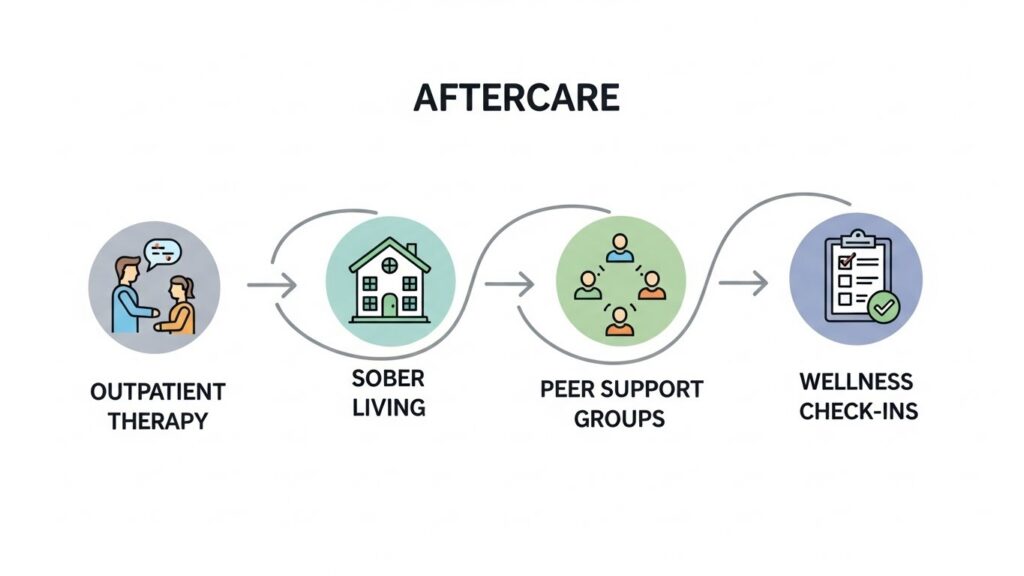
A truly effective recovery journey extends far beyond the initial phase of inpatient treatment. At One Step Rehab, we understand that the transition from the highly structured environment of inpatient programs into the broader world is a delicate time, filled with both promise and challenge.
Aftercare is the bridge that supports individuals as they move from the 24/7 care of an inpatient setting back into their daily lives, providing ongoing addiction support, connection, and structure that greatly improve health outcomes and reduce the risk of relapse. At One Step, we’ve seen that well-designed aftercare and recovery planning are crucial contributors to long-term success.
Aftercare takes many forms, including ongoing counselling, outpatient programs, alumni support networks, and peer-led groups, all tailored to sustain momentum built during inpatient rehab. These treatment extensions are vital, as addiction does not vanish with the completion of an inpatient program.
Instead, recovery evolves, and people need continued access to professional guidance and community resources to navigate triggers or setbacks in real-world situations. At One Step Rehab, our aftercare philosophy centres on providing individualised care strategies that address both lingering substance use challenges and co-occurring health concerns identified during inpatient treatment.
Long-term recovery planning begins before discharge from inpatient rehab. The addiction treatment team collaborates with the patient to identify ongoing risks, strengths, and psychosocial needs, and to develop a practical roadmap for maintaining progress. This plan often includes seamless transition into outpatient programs, engagement with sober living environments, appointments for medical and mental health follow-ups, and direct links to community-based addiction recovery resources.
Evidence shows that structured aftercare significantly increases positive outcomes, with participants who consistently engage in follow-up programs reporting higher rates of sustained sobriety, improved overall health, and fewer relapses.
Inpatient programmes with robust aftercare recognise that true addiction recovery is rooted in comprehensive support, not just initial treatment. That’s why coordinated case management and ongoing therapist involvement are crucial: individuals benefit from regular check-ins, relapse prevention education, help navigating health systems, and a strong therapeutic alliance that remains active long after leaving rehab.
Because addiction is a chronic condition, health monitoring and adaptive adjustments in treatment plans are necessary to reflect life changes, new stressors, or shifting goals in recovery. The supportive structure cultivated in inpatient treatment continues, fostering closer connections with health professionals and peer communities, which are key to preventing isolation and maintaining motivation.
Ultimately, aftercare and long-term planning are what transform short-term inpatient treatment gains into lifelong recovery and resilience. One Step Rehab is deeply committed to walking alongside every individual at every stage, from primary rehab through transition and ongoing care. With tailored aftercare programs anchored in evidence-based addiction treatment principles, we ensure each person leaves our inpatient environment equipped with the skills, resources, and confidence to thrive in their recovery journey.
Conclusion
Inpatient substance abuse rehab at One Step Rehab offers a transformative path to lasting recovery, blending structured environments that rebuild routines, medically supervised detox for safe withdrawal, specialised therapies including dual diagnosis support, and comprehensive aftercare to sustain long-term sobriety. This holistic approach not only breaks the cycle of addiction but also empowers individuals with the tools, resilience, and community needed for a healthier, substance-free life.
Don’t let addiction define your future. Take the first step today, contact One Step Rehab for a confidential assessment and personalised treatment plan tailored to your needs.
Fact-checked by:

Craig Gagnon
Craig Cagnon is an American counseling psychologist and addiction counselor. He holds Masters degrees in community counseling and counseling psychology and completed his clinical residency at The Mayo Clinic, in Rochester, Minnesota. He has worked i...
Learn more about Craig Gagnon