

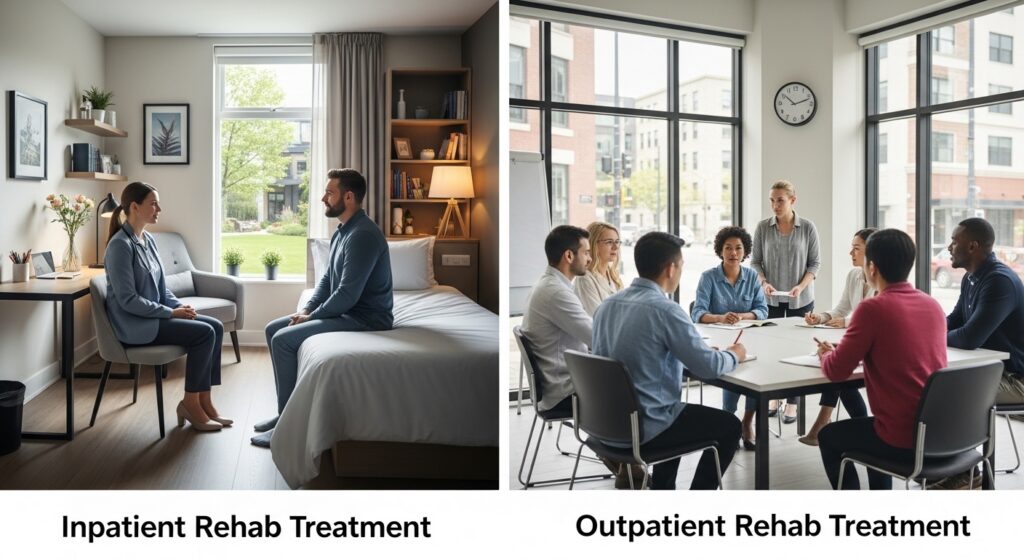
Understanding Inpatient and Outpatient Approaches in Addiction Treatment
Choosing the right addiction treatment is paramount for long-term recovery, and understanding the difference between inpatient and outpatient approaches is the first step. Inpatient and outpatient addiction treatment programmes offer distinct structures, environments, and levels of support; they each serve unique needs in overcoming substance abuse and addiction. Exploring the differences, from the care provided within a rehab facility to flexibility, therapy, and outcomes, helps patients and families determine which treatment program will best foster recovery.
Let’s examine these two core approaches in addiction treatment, highlighting their characteristics, strengths, and the differences that can impact recovery journeys at One Step Rehab.
The Key Differences Between Inpatient and Outpatient Methods
One meaningful aspect of successfully addressing substance abuse or addiction is understanding the fundamental differences between inpatient and outpatient addiction treatment programs. At One Step Rehab, we approach this distinction with clinical clarity, recognizing that no single method fits every patient’s needs. Let’s break down the core differences so individuals and families gain the knowledge they need to make informed decisions regarding care and recovery.
Inpatient treatment, often referred to as residential care, typically requires patients to reside within a rehab facility for the duration of their addiction treatment. This approach provides structured day-to-day therapy, constant support, and an environment free from external triggers, which can be especially crucial for individuals coping with severe alcohol addiction, substance abuse, or those at higher risk for relapse.
Inpatient programmes allow for focused detox, intensive therapy, and robust support tailored to comprehensive needs, often including medical supervision, group therapy, individual therapy, and complementary services. Such constant, immersive care provides the accountability some patients need for recovery.
On the other hand, outpatient treatment is designed for patients who require ongoing support but can manage daily life outside the rehab facility. Outpatient programs offer flexibility, allowing individuals to attend therapy, receive support, and participate in structured addiction treatment while continuing with work, family obligations, or schooling.
Outpatient care can be ideal for those with milder addiction or those who have already completed an inpatient program and need step-down support. Services might encompass group and individual therapy, educational programs, relapse prevention training, and continued care coordination. The ability to maintain ties to daily life is a hallmark of outpatient support.
The differences between inpatient and outpatient treatment are not merely logistical. Inpatient care’s 24/7 environment and intensive therapy can address severe addiction and co-occurring mental health disorders more immediately, often leading to short-term stabilisation. Conversely, outpatient treatment leans on patient accountability and the ability to practice newly acquired coping skills in real-world settings, which is essential for long-term recovery.
Detoxification options differ, too. While inpatient programs generally offer medical detox onsite, outpatient settings may refer patients elsewhere for medical oversight before initiating therapy.
Another critical consideration is the scope of services and programmes available. Inpatient programs often feature multidisciplinary teams: medical professionals, therapists, counselors, and support staff, all present to deliver seamless, coordinated care. Outpatient treatment, though robust, usually involves scheduled therapy visits and may require patients to seek additional community resources for support.
Recovery outcomes and relapse rates can also differ; some patients achieve greater success in a highly structured environment, while others thrive with outpatient flexibility and independence.
Ultimately, choosing between inpatient and outpatient addiction treatment depends on the severity of the addiction, availability of home support, personal responsibilities, and individual health needs. By understanding these key differences, and with clinical guidance, patients and their loved ones can select the treatment model most likely to result in successful, lasting recovery.
As always, at One Step Rehab, we emphasise that both approaches have a vital place in the continuum of care for addiction, each offering therapy, support, detox, and a pathway back to health.
When to Choose Inpatient and Outpatient Addiction Support
Determining when it’s best to pursue inpatient or outpatient treatment remains one of the most pivotal decisions in the addiction recovery process for individuals and their families. The right choice profoundly influences treatment outcomes, levels of support, and the overall recovery journey.
At One Step Rehab, we counsel patients from a holistic perspective, considering each unique case and leveraging evidence-based practices to match individual needs with the most appropriate care pathway.
Inpatient addiction treatment programs are often recommended for those facing severe substance abuse, complicated alcohol addiction, or co-occurring mental health disorders. When withdrawal risks are high, around-the-clock medical and therapeutic supervision in a residential setting offers safety and reduces the risk of complications during detox.
Patients who have encountered multiple failed attempts at outpatient or less intensive programs may also require the immersive environment of inpatient care, where therapy, structured activities, and comprehensive services are ongoing, and distractions from recovery are minimised. Additionally, a lack of a stable or supportive home environment may necessitate inpatient care, as recovery can be compromised by continued exposure to triggers or unsupportive relationships.
Alternatively, outpatient addiction treatment is typically suited for patients with less severe addiction, a strong support network, and the ability to maintain daily responsibilities such as work, school, or caregiving. Outpatient care offers flexible scheduling for therapy and programs, so patients can practice new coping strategies in real time outside the rehab facility.
For many, outpatient programmes are the next step after completion of inpatient treatment, supporting a gradual transition to increased independence with ongoing therapeutic guidance, relapse prevention, and continued access to support services. Outpatient care may be suitable if a patient demonstrates motivation for recovery, has no significant withdrawal risk, and can safely manage triggers with support provided by the program.
Choosing the right time and placement for inpatient or outpatient care involves a collaborative assessment process. Medical evaluations, clinical interviews, and an exploration of social supports help determine the right fit, always balancing the intensity of therapy, detoxification needs, and personal circumstances. It’s important to recognise that the decision is not final; many individuals move between inpatient and outpatient settings as their recovery evolves.
For those confronting addiction, timely access to the most effective treatment is crucial. Delaying entry to the appropriate programme, whether residential or outpatient, can result in escalation of substance abuse or missed opportunities for support. A prompt, thorough evaluation with a licensed therapist is essential to align treatment with each patient’s readiness and needs.
The effectiveness of both inpatient and outpatient modalities also relies on ongoing family involvement, individualised programmes, experienced clinicians, and continuity of care throughout all stages of recovery.
At One Step Rehab, we’re committed to guiding patients toward informed, confident decisions about addiction treatment. Our approach emphasises understanding the difference between inpatient and outpatient models, identifying the best fit based on clinical evidence, and offering a continuum of programs designed for successful, lasting recovery. Making the right choice can be life-changing, not just for patients but for families and entire communities striving for freedom from alcohol addiction, drug dependency, and the challenges of substance abuse.
Comprehensive Overview of Inpatient Treatment Programmes
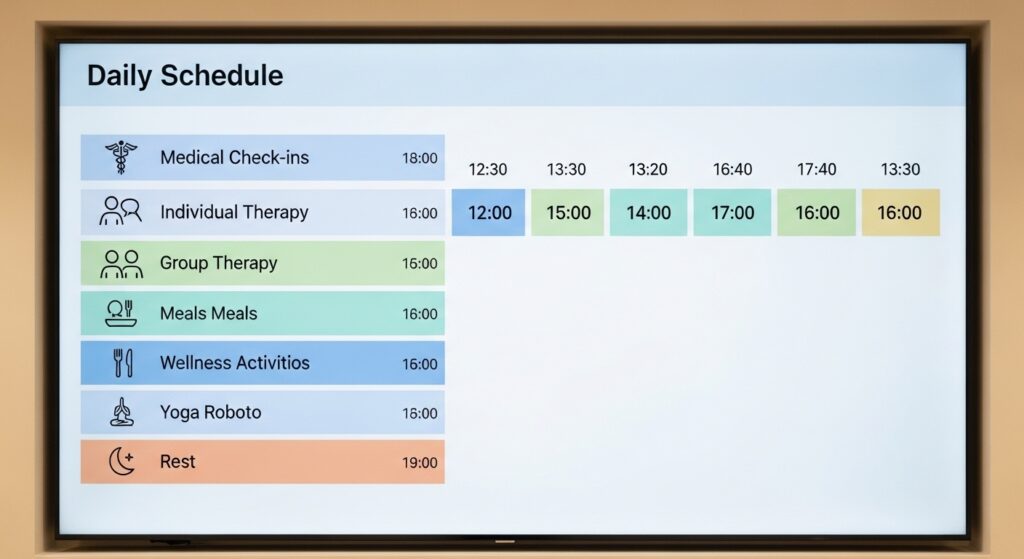
Inpatient treatment represents one of the most comprehensive addiction recovery pathways, providing a structured, supportive environment that enables individuals to focus entirely on overcoming substance use disorders. At One Step Rehab, inpatient rehab programmes are designed to integrate medical expertise, intensive therapy, and constant supervision, maximising recovery outcomes for those struggling with alcohol addiction or other forms of substance abuse.
By understanding the distinct components of inpatient treatment, including residential care, detoxification, and core therapy modalities, patients and families can make informed decisions that foster lasting recovery and improved quality of life.
Core Components of Inpatient Rehab for Lasting Recovery
Inpatient treatment is distinguished by its immersive, structured design, and it’s regarded as the gold standard for individuals facing significant substance use or complex addiction histories. At the heart of every inpatient programme lies a multifaceted approach, grounded in medical, psychological, and psychosocial support that cannot be recreated in non-residential settings.
The core of inpatient rehabilitation at One Step Rehab begins with a thorough, individualised assessment that evaluates each patient’s unique treatment needs, including the severity of addiction, potential co-occurring disorders, and specific substance use patterns. This assessment shapes the personalised patient care plan, outlining every step from medical detox through ongoing therapy and aftercare programming.
A. Detoxification
The journey through inpatient rehab typically starts with a medically managed detox programme. Detoxification is crucial for safely and effectively managing withdrawal symptoms, especially in cases of alcohol addiction treatment or when substance use has created physical dependence.
Residents are monitored around the clock by experienced clinicians, ensuring immediate medical intervention if complications arise. This level of care is essential for safeguarding patient health and preparing the mind and body for recovery work.
B. Therapy
Once detox is complete, patients transition seamlessly into the therapeutic phase, where intensive therapy begins to address the roots of addiction. Residential treatment’s greatest asset is its controlled, supportive environment. Patients in inpatient programmes benefit from a safe facility, physically separated from triggers, negative social influences, and daily stressors, allowing them to focus exclusively on recovery.
Within the facility, patients receive a robust schedule of individual therapy, group sessions, family counselling, and supplementary programming. These therapy modalities are designed to build resilience, teach coping strategies, repair relationships, and address underlying mental health concerns such as depression, anxiety, or trauma, common factors in addiction. Group therapy fosters a sense of community, shared support, and accountability that underpins sustained progress.
C. Supportive Residential Environment
Inpatient care also extends to specialised support for alcohol addiction and other substance dependencies. At One Step Rehab, residential alcohol and drug treatment programs are shaped by evidence-based practices, integrating cognitive-behavioural therapy (CBT), dialectical behaviour therapy (DBT), motivational interviewing, and holistic approaches that include mindfulness, nutritional counselling, and recreational therapy. Each therapy session is crafted to meet clinical goals, allowing patients to strengthen self-efficacy, manage cravings, and build healthier habits for lifelong recovery.
Beyond the core therapeutic interventions, inpatient treatment’s daily routine, encompassing structured activities, healthy meals, scheduled downtime, and wellness opportunities, creates predictability and stability, critical during early recovery when patients are most vulnerable.
Around-the-clock supervision provides immediate access to medical and emotional care, while carefully calibrated recovery milestones mark tangible progress and foster hope. The constant presence of skilled rehab staff at the facility ensures that setbacks are addressed proactively and that successes are amplified through encouragement and affirmation.
The outcomes for individuals engaged in inpatient treatment are often more favourable than those in less intensive environments, particularly for clients with a history of relapse, previous failed treatment attempts, or those lacking stable home support. The focused nature of inpatient rehab reduces the risk of immediate relapse, solidifies recovery foundations, and gives patients a stronger chance at achieving lasting sobriety beyond discharge.
D. Integrated Care
Finally, the comprehensive scope of inpatient treatment extends beyond a patient’s stay. One Step Rehab’s continuum of care connects inpatient outcomes with aftercare planning, relapse prevention strategies, and ongoing outpatient support, ensuring that every individual’s recovery is supported for the long term.
In summary, inpatient rehab’s core components, detox, therapy, supportive residential environment, and integrated care, deliver the structure, safety, and expert guidance needed to realise meaningful, sustained recovery from addiction.
Why One Step Rehab Recommends Inpatient Over Outpatient Treatment
While outpatient treatment programs are widely available in the addiction recovery landscape, One Step Rehab has made a deliberate choice not to offer outpatient services. Our clinical experience and commitment to patient outcomes have led us to focus exclusively on higher levels of care that provide the structure, safety, and intensive support necessary for lasting recovery from substance abuse and alcohol addiction.
Common Limitations of Outpatient Rehab Treatment
Though outpatient programs offer flexibility, they come with significant drawbacks that can compromise recovery success:
1. Limited Structure and Accountability
Without 24/7 supervision, patients in outpatient care remain exposed to the same environments, triggers, and temptations that contributed to their addiction. This lack of structured oversight makes it easier to relapse without immediate intervention.
2. Continued Access to Substances
Patients return home each day, where drugs or alcohol may still be accessible through old contacts, familiar locations, or even within their own households. This ongoing exposure significantly increases relapse risk during vulnerable early recovery stages.
3. Insufficient Support for Severe Addiction
Outpatient treatment is often inadequate for individuals with severe substance dependencies, co-occurring mental health disorders, or those who have experienced multiple relapses. These patients require intensive, round-the-clock medical and psychological support that outpatient settings cannot provide.
4. Higher Relapse Rates
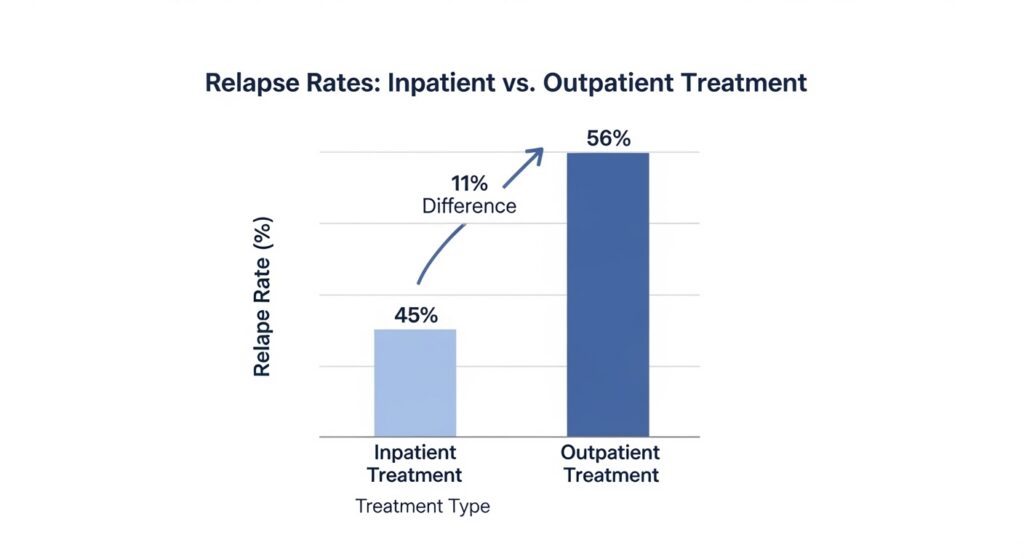
Clinical research consistently demonstrates that outpatient treatment alone results in higher relapse rates compared to residential inpatient programs. A peer-reviewed study published in PubMed Central found that the relapse rate in the outpatient group was 56%, compared to 45.33% in the inpatient group, an 11 percentage point difference in favour of residential treatment [1].
5. Divided Focus and Competing Responsibilities
While maintaining work and family obligations sounds beneficial, it often means patients cannot fully concentrate on recovery. The demands of daily life can create stress, distraction, and excuse-making that undermine treatment effectiveness.
Why Professionals Recommend Inpatient Treatment

Addiction specialists and treatment professionals increasingly recommend inpatient rehab for most individuals seeking recovery because it offers:
- Complete environmental separation from substances and negative influences
- 24/7 medical and clinical support for safety and crisis intervention
- Intensive therapy with multiple daily sessions and varied treatment modalities
- Peer support community living alongside others committed to recovery
- Structured daily routine that establishes healthy habits and coping mechanisms
- Comprehensive care addressing physical, psychological, and social dimensions of addiction
At One Step Rehab, we believe that true recovery requires complete dedication and an environment designed specifically for healing. Our inpatient programs provide the intensive, structured care that gives patients the best possible foundation for long-term sobriety.
While outpatient treatment may serve as a step-down option after completing residential care, we’ve found that starting with inpatient treatment significantly improves outcomes and provides the safety, support, and focus necessary to break free from addiction.
Comparing the Effectiveness: Inpatient vs Outpatient Treatment
Effectiveness is often the deciding factor for patients and families weighing the difference between inpatient and outpatient addiction treatment. Many look to comparative outcomes and the depth of care, support, and therapy in each approach to determine the best path forward.
Inpatient programmes, with their intensive environment and structured services, contrast sharply with outpatient care’s flexibility and community integration. By examining treatment outcomes and real-world recovery stories, it becomes possible to truly understand the unique value each program offers.
Examining the Differences in Treatment Outcomes
When comparing inpatient and outpatient programmes, it’s essential to dig into the core of what makes one approach potentially more effective than the other for different individuals. The effectiveness of addiction treatment isn’t absolute; instead, it hinges on the alignment between a patient’s needs, the severity of the addiction, and the unique characteristics of the chosen program.
Inpatient treatment remains widely recognised for its structured environment and the immersive program it provides. In this setting, patients receive around-the-clock care, and the isolation from everyday stressors often provides a much-needed break from triggers and unhealthy routines. This continuity of support is essential for those in early recovery or facing severe alcohol addiction or complex drug dependencies.
The focus in an inpatient facility is intensive therapy, individual, group, and sometimes family-based, ensuring that patients are constantly surrounded by recovery-oriented activities and clinical guidance. This results in more immediate stabilisation, effective detoxification, and an environment where patients can safely confront and address co-occurring mental or physical health issues.
Numerous studies have indicated that inpatient services can yield higher short-term completion rates and lower rates of relapse within the early stages after discharge [2], particularly for patients with chronic relapse histories or unstable home environments. The comprehensive approach, carefully coordinated therapy, 24/7 supervision, and medical support, reduces risks associated with severe withdrawal or medical complications, thus improving treatment outcomes for this patient group.
Moreover, inpatient programmes at One Step Rehab employ evidence-based therapies tailored not just to substance use but also to the underlying psychological issues that frequently perpetuate drug and alcohol addiction. The difference here lies in the depth and consistency of interaction, with patients having immediate access to support and therapeutic intervention at critical moments in their recovery journey.
Outpatient programmes, conversely, shine in their adaptability and integration of treatment into everyday life. Many patients excel when therapy, care, and support are woven around their ongoing obligations, work, school, or family.

The real-world practise of recovery skills in outpatient settings can lead to stronger long-term outcomes, as individuals consistently apply new coping strategies in environments where prior triggers exist. This practical reinforcement, combined with ongoing therapy and group support, is key to helping patients sustain recovery after the conclusion of formal treatment.
There is, however, a marked difference in recovery outcomes depending on the complexity of the addiction. Patients with less severe addiction, robust home support, and strong motivation are often more likely to achieve sustained recovery with outpatient care, since they benefit from relapse prevention while maintaining daily responsibilities. For others, the absence of a safe, supportive recovery environment at home can make outpatient therapy challenging, leading to a greater risk of relapse or incomplete recovery.
Ultimately, there’s no universal answer; the effectiveness of inpatient versus outpatient treatment depends on individual factors, addiction history, severity, available support, co-occurring medical or psychiatric issues, and readiness for change.
At One Step Rehab, our clinical expertise ensures that all patients are matched with the level of care and therapy that offers the greatest chance for meaningful, sustainable recovery. By thoughtfully examining treatment outcomes and recognising the specific differences in how each programmes supports recovery, we empower patients and their families to make confident, informed choices about their path to lasting wellness.
Conclusion
Understanding the difference between inpatient and outpatient addiction treatment is essential for making informed decisions about recovery. While both approaches have their place in the continuum of addiction care, the evidence clearly demonstrates that inpatient treatment offers distinct advantages for individuals seeking lasting freedom from substance abuse and alcohol addiction.
At One Step Rehab, our exclusive focus on inpatient programmes reflects our commitment to providing the highest level of care, safety, and support for our patients. The structured environment, 24/7 medical supervision, intensive therapy, and complete separation from triggers create optimal conditions for recovery that outpatient settings simply cannot replicate. Our clinical experience has shown that the immersive nature of residential treatment gives patients the best possible foundation for long-term sobriety, particularly for those facing severe addiction, co-occurring disorders, or previous treatment failures.
The choice between inpatient and outpatient care should never be taken lightly. It requires careful assessment of addiction severity, personal circumstances, support systems, and individual treatment goals. While outpatient programmes may offer flexibility and convenience, they lack the comprehensive, round-the-clock support that many individuals need to successfully break free from the cycle of addiction.
Recovery is possible, and choosing the right treatment approach can make all the difference. At One Step Rehab, we’re dedicated to guiding patients and their families through this critical decision, ensuring that every individual receives the intensive, evidence-based care necessary to achieve lasting wellness.
If you or a loved one is struggling with addiction, we encourage you to reach out and learn more about how our inpatient programmes can provide the support, structure, and hope needed for a successful recovery journey.
References
- El-Shahawy, O., El-Gohary, M., Elsetohy, A., & Elshahrawi, A. (2022). Assessment of addiction management program and predictors of relapse among substance use disorder patients. Middle East Current Psychiatry, 29(1), 68. https://pmc.ncbi.nlm.nih.gov/articles/PMC9579533/
- Substance Abuse and Mental Health Services Administration (SAMHSA). (2024). Treatment Episode Data Set (TEDS) 2022: Admissions to substance use treatment services reported by states [Data set]. HealthData.gov. https://healthdata.gov/SAMHSA/Treatment-Episode-Data-Set-TEDS-2022-Admissions-to/jqdg-y95v/about_data
Fact-checked by:

Alastair Mordey
Alastair Mordey is one of the pioneers of drug and alcohol treatment globally and specifically in Asia. He has been an addiction’s professional for twenty years. He started his career as an expert in substance abuse working with street homeless dr...
Learn more about Alastair Mordey