


Alcohol withdrawal is a complex and challenging process that can affect both the body and mind. Understanding what withdrawal is, why it occurs after stopping alcohol use, and the potential side effects of detoxification is essential for anyone beginning the journey to recovery.
At One Step Rehab in Chiang Mai, we combine medical expertise with compassionate care to guide individuals safely through detox and into sustainable recovery. This page will explore the critical signs, symptoms, and risks of alcohol withdrawal while empowering you with knowledge and support every step of the way.
Brief Overview
Alcohol withdrawal is a complex medical process that requires careful management due to its potential risks and varied symptoms, ranging from mild anxiety to life-threatening complications. Professional support, such as that provided by One Step Rehab in Chiang Mai, combines clinical expertise, holistic therapies, and a nurturing environment to ensure safe detoxification and sustained recovery. Integrating evidence-based treatments, mindfulness, and the unique benefits of Thai culture, this comprehensive approach addresses both physical and emotional aspects of dependence. Early intervention and individualized care greatly improve safety, comfort, and the likelihood of long-term wellness.
Key Highlights
- Alcohol withdrawal is a medically serious, potentially life-threatening syndrome requiring professional management for safe recovery.
- Withdrawal symptoms range from mild anxiety to severe complications like seizures and delirium tremens, necessitating clinical oversight.
- Comprehensive detox facilities, such as One Step Rehab in Thailand, provide continual medical and emotional support during withdrawal.
- Successful recovery integrates therapy, fitness, mindfulness, and holistic approaches for long-term well-being and relapse prevention.
- Thai culture and hospitality enhance the healing process, offering a nurturing environment for holistic addiction recovery.
Understanding Alcohol Withdrawal: Causes and Risks
Alcohol withdrawal is far more than just a temporary discomfort; it’s a medically recognized syndrome that can be serious and even life-threatening when not properly managed. Dependence and addiction alter the brain’s chemistry, setting the stage for withdrawal syndrome once alcohol is removed. Many individuals with alcoholism or substance dependence experience not only the physical effects but also psychological shifts during this process.
At One Step Rehab, we combine advanced clinical knowledge with compassionate care to help those struggling with a disorder or addiction, guiding them through substance withdrawal safely. By understanding the science behind withdrawal, clients are empowered to make informed decisions on their recovery journey, ensuring medical and emotional stability in the process. Alcohol withdrawal deserves careful attention, and at One Step Rehab, your well-being is our priority.
The Science Behind Withdrawal and Its Impact on the Brain
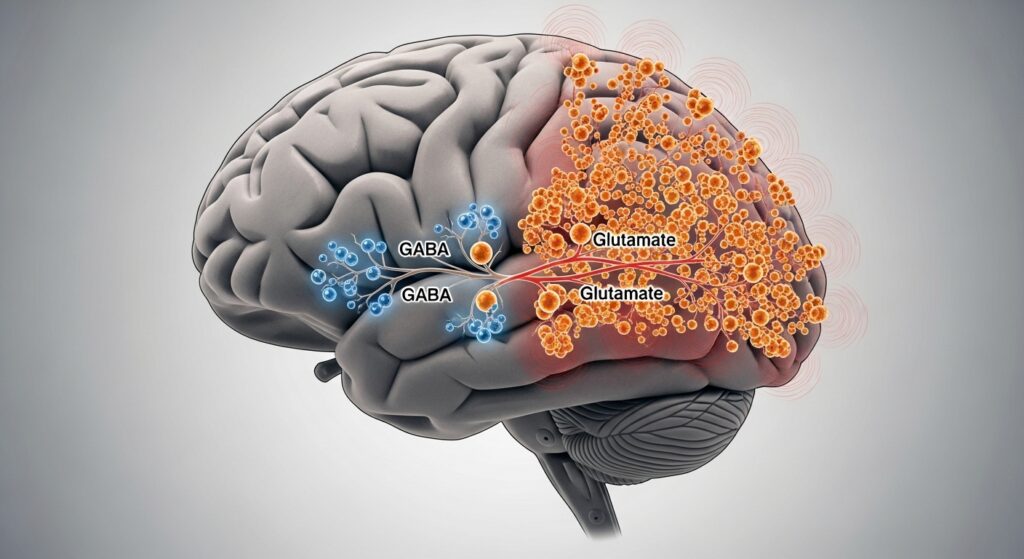
Alcohol creates significant changes within the brain’s neural pathways, especially when use escalates into dependence or addiction. Over time, the presence of alcohol becomes necessary for the brain’s systems to operate normally, and its absence initiates a process known as alcohol withdrawal syndrome. This withdrawal syndrome is not merely a challenge of willpower but is, rather, a clinical and medical condition rooted in how chronic alcohol affects neurotransmitters like GABA and glutamate. Long-term disorder leads the brain to adapt by reducing its natural inhibitory mechanisms, so when alcohol is suddenly ceased, the brain is left in a hyperactive state, resulting in withdrawal symptoms that can include anxiety, seizures, and confusion.
The impact of alcohol withdrawal extends beyond the immediate symptoms; it’s an intricate interplay between neurobiology and the behavioral symptoms of addiction. The syndrome elicited by the abrupt cessation of alcohol, referred to as withdrawal syndrome, exemplifies how substance withdrawal differs drastically from adaptations seen with other drugs. It’s also important to highlight that not all clinical presentations are the same; some individuals may experience mild discomfort, while others face severe, life-threatening medical risks.
At One Step Rehab, our understanding of clinical and medical complexity shapes our treatment: we assess each individual’s history of alcoholism, dependence, and co-occurring disorders to develop a personalized plan.
Science continues to uncover novel links between chronic alcohol exposure and alterations in the brain linked to withdrawal symptoms and syndrome. Addressing this complexity requires professional, evidence-based interventions such as those offered at One Step Rehab. Our goal is to minimize the dangers of substance withdrawal, support healthy neural recovery, and build lasting freedom from the cycle of dependence and addiction.
Withdrawal can be daunting, but understanding its scientific basis is the foundation for successful, compassionate healing and lifelong recovery.
Recognizing Symptoms of Alcohol Withdrawal
Recognizing the symptoms of alcohol withdrawal is a vital step in identifying when immediate medical attention may be needed. Withdrawal syndrome can range from mild to severe, and understanding these variations not only helps those experiencing detox but also informs family, friends, and clinicians about appropriate care interventions.
As outlined in the discussion of the neurobiological changes caused by chronic alcohol use, the body and mind can respond dramatically once alcohol intake stops. Awareness of withdrawal symptoms, ranging from subtle anxiety to the life-threatening condition known as delirium tremens, helps prioritize safety and supports early, effective intervention, an approach deeply rooted at One Step Rehab as we guide clients through each stage of recovery.
Mild to Severe Symptoms: What to Watch For
Spotting the onset and progression of alcohol withdrawal involves being attentive to a broad spectrum of symptoms, each reflecting the body’s adjustment to the sudden absence of alcohol. Mild withdrawal symptoms can begin just hours after the last drink and may include:
- Anxiety
- Irritability
- Headache
- Nausea
- Tremors
- Insomnia
These mild symptoms, though uncomfortable, often signify the initial stages of withdrawal syndrome and are an indication that the body is reacting to chemical imbalances brought about by chronic alcohol exposure and subsequent cessation.
At One Step Rehab, our clinical team closely monitors symptoms from the very start, as even mild symptoms can quickly escalate in those with significant dependence or a history of addiction.
As withdrawal progresses, some individuals experience moderate symptoms such as:
- Increased heart rate
- Elevated blood pressure
- Profuse sweating
- Heightened confusion
These symptoms signal the need for careful medical assessment, as they can rapidly develop into more severe withdrawal. When discussing severe withdrawal, it’s essential to mention complications like withdrawal seizures and a condition known as delirium tremens (DTs).
Delirium tremens stands as the most critical medical emergency within alcohol withdrawal syndrome, presenting with hallucinations, severe agitation, disorientation, and potentially life-threatening cardiovascular instability. Another acute risk is alcohol hallucinosis, where individuals may experience vivid auditory or visual hallucinations, requiring urgent clinical management.
Anyone tending to someone with alcoholism or known substance dependence must remain alert for complicating factors like withdrawal seizures or signs of complicated withdrawal syndrome. At One Step Rehab, we emphasize evidence-based medical protocols because withdrawal, particularly when complicated by co-occurring disorders or additional drugs, requires clinical vigilance and expertise.
Substance withdrawal in the context of alcohol withdrawal syndrome is never predictable; syndrome severity may be influenced by medical history, the duration of dependence, or underlying disorders. Our approach at One Step Rehab is to foster a therapeutic environment rooted in safety, understanding, and personalized clinical oversight, carefully tailored to address the very real risks of alcohol withdrawal, while guiding you with encouragement toward sustainable recovery.
The Role of Alcohol Detoxification in Recovery
Alcohol detoxification is a crucial early intervention that lays the foundation for sustainable recovery from alcohol dependence and addiction. Detox isn’t only about removing alcohol from the system; it’s a medically guided process that ensures safety and stabilizes the body and mind as withdrawal symptoms emerge. Those with severe alcohol use disorder can face significant risks during detox, making professional medical oversight essential.
At One Step Rehab in Thailand, we prioritize clinical excellence and emotional support, offering clients a compassionate path through withdrawal management. By integrating advanced treatment strategies and attentive care, detoxification becomes a gateway to long-term healing and comprehensive recovery.
How Professional Facilities in Thailand Support Safe Detox
Professional facilities in Thailand, like One Step Rehab, are uniquely positioned to guide individuals through the complexities of alcohol detox and withdrawal. When a person decides to begin their journey away from dependence and addiction, the detoxification process must address both the clinical and medical realities of withdrawal syndrome. Safe alcohol detox requires not just the cessation of alcohol but also the careful management of the broad spectrum of withdrawal symptoms, ranging from anxiety and tremors to potentially life-threatening complications like seizures and delirium tremens, that can arise in cases of pronounced dependence. One Step Rehab’s inpatient program ensures that all clients receive continuous medical and clinical support, with experienced staff trained specifically in withdrawal management and addiction treatment.
Our approach is grounded in evidence-based treatment and compassionate support, ensuring clients never need to manage detox alone. Unlike outpatient detox options, our professional team offers round-the-clock monitoring and interventions to prevent complications. This level of clinical vigilance is critical, as even mild symptoms can swiftly progress, especially in those with a long history of alcohol use or complex co-occurring disorders.
By combining Western medical protocols with insightful psychosocial support, we foster an environment where clients can focus fully on their recovery without external triggers or added stress. At One Step Rehab, our multidisciplinary team utilizes Cognitive Behavioral Therapy, mindfulness practices, and fitness to promote whole-person healing alongside detoxification.
Thailand’s medical community has built a reputation for world-class healthcare, and the structure of professional rehab facilities here emphasizes not only clinical safety but also emotional well-being and dignity throughout detox. The supportive, therapeutic environment at One Step Rehab underscores the importance of privacy and individual comfort, providing all the necessary amenities and modern comforts to aid in this crucial stage of treatment. As clients progress through alcohol detoxification, they’re met with understanding, guidance, and unwavering support, a holistic approach that marks the beginning of lasting recovery from addiction and positions them for success as they transition to ongoing rehabilitation and a renewed life.
Differentiating Alcohol Detox and Long-Term Treatment

Alcohol detox is the immediate, clinically supervised process of managing withdrawal, designed to stabilize both body and mind as dependence is addressed. While this initial stage is absolutely vital for safe withdrawal management, it serves as just one part of the broader recovery journey. Long-term treatment extends far beyond detox, focusing on rehabilitation, relapse prevention, and meaningful lifestyle change.
At One Step Rehab, our approach recognizes that effective addiction recovery requires ongoing therapy, supportive clinical interventions, and active engagement in daily wellness routines. Differentiating between detox and sustained treatment is key for understanding how people move from initial medical safety to holistic, lifelong recovery.
Integrating Therapy, Fitness, and Mindfulness in Recovery
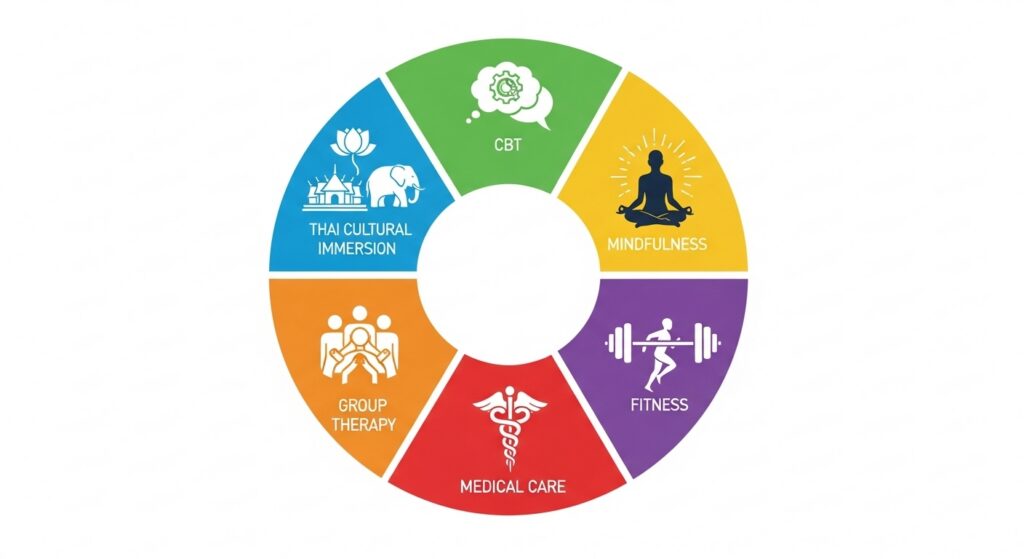
Transitioning from alcohol detoxification to long-term recovery demands a comprehensive treatment plan that incorporates a blend of clinical care, therapeutic engagement, and practical tools for lifelong health. At One Step Rehab, we recognize that while withdrawal management is often the starting point for those experiencing withdrawal symptoms due to dependence or addiction, it’s the synergy of therapy, fitness, and mindfulness practices that drives sustainable change after detox.
Early intervention through detox efficiently addresses the acute symptoms of withdrawal, ensuring a safe foundation upon which broader recovery can be built. However, without an integrated approach to rehabilitation, individuals are more vulnerable to relapse and recurrence of their addictive disorder.
Therapy is central to effective long-term recovery, targeting the psychological aspects of addiction and helping clients understand triggers, maladaptive thinking, and coping strategies.
Our team uses evidence-based modalities like Cognitive Behavioural Therapy (CBT), which is proven to reduce symptoms of addiction by reshaping negative thoughts and behaviors. Through continuous clinical support and individualized therapy sessions, individuals can process the emotional consequences of dependence and withdrawal while building resilience against future challenges.
Beyond therapy, fitness plays a crucial role in supporting both the physical and psychological healing process during and after alcohol detox. Regular movement aids in restoring natural body rhythms disrupted by addiction, supports mood regulation, and promotes overall wellness.

At One Step Rehab, clients have access to comprehensive fitness facilities, allowing them to harness exercise as a positive outlet during detox and establish healthy routines that can be sustained long-term. Mindfulness is another essential pillar in our holistic approach. Mindfulness and meditation empower individuals to become aware of the present moment, which is particularly valuable during periods of heightened stress or cravings commonly associated with alcohol withdrawal. Meditative practices, taught at our facility and through connections with local Buddhist traditions in Chiang Mai, offer powerful strategies for self-regulation, restraint, and emotional management throughout recovery.
By intertwining therapy, fitness, and mindfulness within the treatment process, One Step Rehab offers a uniquely supportive environment that addresses every facet of alcohol use disorder, from initial detox to long-term recovery. This balanced integration is vital for breaking the cycle of clinical dependence and fostering a healthier, more resilient future.
Managing Co-Occurring Disorders: Alcohol and Other Drugs
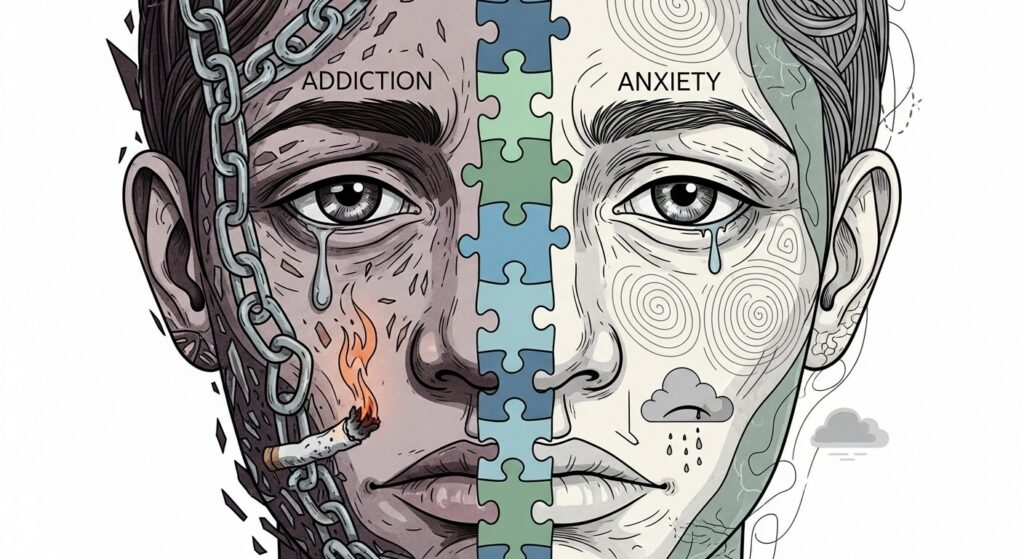
Addressing co-occurring disorders, where alcohol or drug addiction exists alongside another mental health disorder, requires a nuanced clinical approach. Many individuals experiencing alcohol withdrawal or substance withdrawal often face a dual diagnosis, compounding the complexity of both treatment and recovery.
At One Step Rehab, we recognize that addiction and dependence rarely occur in isolation; substance use can both mask and intensify other mental health disorders. This reality means successful management of withdrawal syndrome must integrate therapeutic assistance for both the addiction and any underlying disorders, such as depression, anxiety, and PTSD.
Our philosophy prioritizes holistic and individualized care, blending clinical precision with compassionate support to offer the most effective path toward recovery, well-being, and long-term health.
Holistic Approaches to Dual Diagnosis Treatment
- Establish a consistent daily routine to create predictability and reduce stress.
- Pursue regular physical activity, such as walking or yoga, to boost mood and energy.
- Prioritize balanced meals and hydration to nourish both mind and body.
- Practice mindfulness techniques like deep breathing or meditation for emotional balance.
- Connect with supportive friends, family, or peer groups to reduce isolation.
- Set achievable goals and celebrate small successes to build confidence.
- Schedule regular check-ins with healthcare professionals for guidance and support.
Understanding the Side Effects of Alcohol Detox
Grasping the side effects associated with alcohol detox is crucial for anyone moving from dependence to recovery, especially when clinical, psychological, and medical considerations are at play. Alcohol withdrawal syndrome, characterized by an array of withdrawal symptoms, can manifest with both physical and emotional complications that require attentive management. During detoxification, the body reacts not only to the absence of alcohol but also to the cumulative impact it has had on brain chemistry, sometimes intensifying pre-existing disorders or addiction issues.
At One Step Rehab, our clinical approach respects the sensitive interplay between medical care and psychological well-being, ensuring every client feels supported as withdrawal emerges and recovery takes shape.
Physical and Emotional Responses During Detoxification
Alcohol detox isn’t simply a matter of removing alcohol from the body; it’s a comprehensive clinical and medical process that prompts an array of physical and emotional responses. As dependence subsides and withdrawal begins, individuals may experience symptoms that range in severity from subtle tremors, nausea, and headaches to far more serious complications such as seizures or delirium tremens. These physical side effects occur because the nervous system, having adapted to chronic alcohol exposure, is suddenly deprived of its accustomed sedative. For some, mild withdrawal symptoms might be easily managed, but for others, medical intervention is essential to control acute symptoms and prevent life-threatening complications.
At One Step Rehab, our medical staff employs continuous monitoring to ensure that every aspect of detoxification is managed with the utmost safety, reducing risks linked with alcohol withdrawal syndrome.
Equally important are the emotional responses that surface during withdrawal and detox. Depression, anxiety, irritability, and even episodes of confusion or agitation are frequently reported. These emotional symptoms can be intertwined with the syndrome itself or stem from an underlying disorder, often exacerbated by years of addiction and stress. Managing these complex emotional dynamics requires not only clinical expertise but also deep empathy and psychological support.
Our team at One Step Rehab delivers integrated care, blending medical protocols for withdrawal with therapeutic techniques aimed at stabilizing mood, addressing the disorder, and encouraging self-awareness throughout the recovery process.
The convergence of physical and emotional symptoms during detoxification is what makes withdrawal syndrome so uniquely destabilizing for those with dependence or addiction. It’s why inpatient programs, especially those with a clinical, medical, and psychological focus, offer a much higher degree of safety and comfort. By attending to the full spectrum of withdrawal symptoms, including the emotional lows and medical complications, we give clients the best possible foundation for lasting recovery. Underpinning our entire process is an unwavering recognition that recovery is more than the sum of its clinical symptoms; it’s a personal, transformative journey that deserves encouragement, expert oversight, and genuine compassion every step of the way.
| Symptom Type | Common Examples | Potential Severity | Recommended Management |
|---|---|---|---|
| Physical | Nausea, sweating, tremors, headache, rapid heartbeat | Mild to severe; can escalate to seizures or delirium tremens (DTs) | Medical monitoring; supportive care; medications as needed |
| Emotional | Anxiety, depression, irritability, mood swings | Mild to moderate; risk of relapse or self-harm | Counseling; emotional support; possible psychiatric intervention |
| Severe Complications | Seizures, hallucinations, confusion, DTs | Life-threatening without intervention | Immediate medical attention; possible hospitalization |
| Sleep Disturbances | Insomnia, nightmares, restlessness | Typically moderate, can exacerbate other symptoms | Sleep hygiene; short-term medication if appropriate |
This table distills the range of alcohol detox symptoms and highlights the importance of comprehensive management during withdrawal.
Withdrawal Management: Tips for a Comfortable Experience
Navigating alcohol withdrawal can be a highly vulnerable and transformative stage, so adopting effective withdrawal management strategies is essential for a safe and comfortable recovery. At One Step Rehab, the path from dependence to wellness begins in a setting designed for both clinical excellence and personal support.
Building upon the science and programmatic foundation laid out in previous discussions of detoxification and treatment, this part explores practical approaches and expert tips that help ensure withdrawal and associated symptoms are addressed comprehensively.
From creating supportive inpatient environments to fostering holistic comfort, these practices encourage lasting recovery with compassion and purpose.
Creating a Supportive Environment at Inpatient Centres
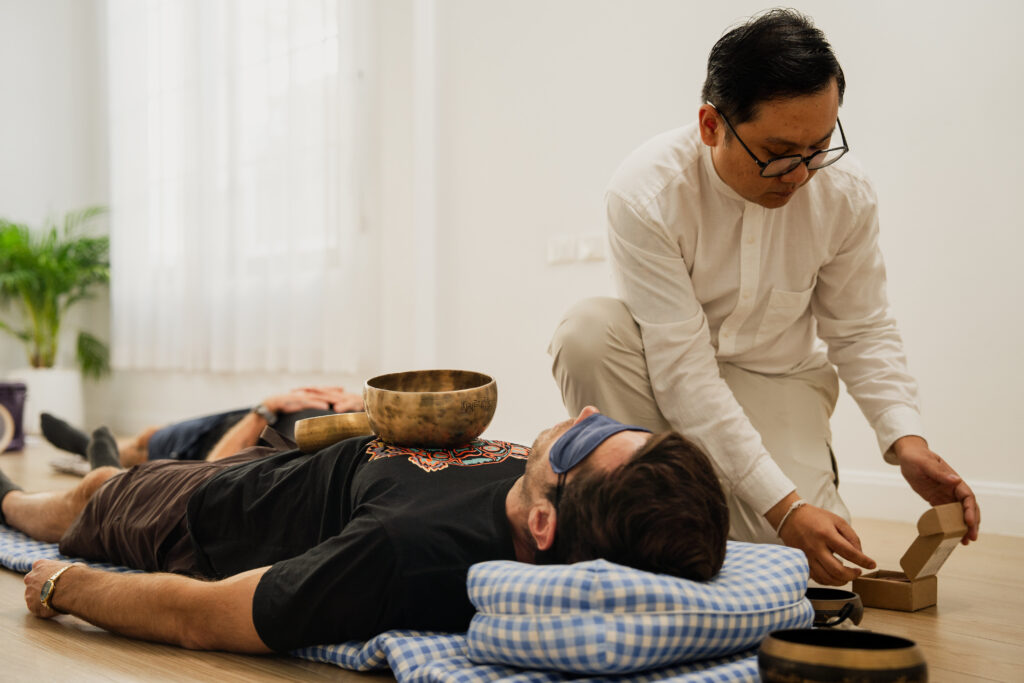
Creating a supportive environment within inpatient centers is one of the most significant factors in advancing successful withdrawal management, especially during acute alcohol withdrawal.
The process doesn’t merely involve addressing physical symptoms; it encompasses nurturing both emotional well-being and long-term psychological recovery. One Step Rehab approaches withdrawal management with a keen awareness that alcohol dependence can leave individuals feeling isolated, vulnerable, and overwhelmed.
That’s why the clinical team prioritizes a therapeutic environment, purposefully structured to minimize stress, enhance comfort, and provide unwavering support. The immediate goal is to ensure safety as withdrawal symptoms unfold, but equally vital is restoring a sense of dignity and hope, which fosters engagement with ongoing treatment and recovery efforts.
At One Step Rehab, the physical and emotional setting of our inpatient centers has been specifically designed for comfort and healing. Tranquil private rooms, relaxing communal areas, and access to serene outdoor spaces allow individuals to navigate withdrawal with the reassurance of a secure environment. These aspects of our center’s design help soften the emotional challenges of withdrawal syndrome and build trust between clients and clinical staff.
Beyond facilities, a 24-hour support system ensures that every need, clinical, psychological, and practical, is met promptly. Continuous assessment of withdrawal symptoms by experienced, compassionate professionals offers peace of mind, while evidence-based interventions are tailored to the individual’s progression through detox and withdrawal.
The inpatient model at One Step Rehab also integrates clinical best practices with meaningful human connections. Our treatment philosophy emphasizes not just medical care but also a culture of empathy and mutual encouragement.
Peer support fosters belonging and shared resilience, and a routine that balances therapy, recreation, and structured recovery activities reduces anxiety and promotes positive outlooks, even as difficult symptoms arise.
Specialists collaborate to deliver comprehensive management of dependence and withdrawal, ensuring that support, encouragement, and expert treatment are constants throughout recovery. In environments designed like those at One Step Rehab, individuals discover not only relief from the clinical challenges of withdrawal but also renewed confidence in the possibility of lifelong wellness free from addiction.
Cultural Insights: The Benefits of Recovering in Thailand

When considering recovery from alcohol withdrawal and addiction, the environment chosen for detox and holistic treatment greatly influences one’s journey. Thailand’s unique blend of culture, hospitality, and clinical excellence offers significant benefits for those seeking comprehensive support.
At One Step Rehab in Chiang Mai, our clients are immersed in an atmosphere where the cultural richness of Thailand, coupled with world-class clinical care, fosters deeper healing. Recovery extends far beyond the medical management of dependence and withdrawal. Our multidisciplinary team integrates structured therapeutic models such as the Matrix Model with the proven benefits of mutual aid support groups like AA (Alcoholics Anonymous) and 12-Step Facilitation (TSF). This combination helps clients build accountability, community connection, and a framework for long-term change.
By blending evidence-based therapy with peer-supported recovery, we empower individuals not only to stabilize during detox but also to cultivate the personal insight, resilience, and social support necessary for lasting wellness and freedom from addiction.
How Thai Hospitality and Culture Enhance the Healing Process
Thailand’s cultural landscape is an integral part of the recovery journey, offering a nurturing environment that goes beyond traditional clinical intervention. At One Step Rehab, our clients discover that Thai hospitality is more than a gesture; it’s a way of life, rooted in kindness, respect, and an unwavering commitment to support each individual’s healing process.
These cultural qualities foster a feeling of belonging and safety, essential for those navigating the challenges of alcohol withdrawal syndrome and detoxification. Welcoming traditions, gentle communication, and the deep communal ethos within Thai society all serve as natural antidotes to the isolation that often accompanies addiction and dependence, making the journey less daunting and promoting emotional recovery as much as physical.
When undergoing alcohol withdrawal at One Step Rehab, our clients benefit from the serene environment of Chiang Mai. Thai culture places great importance on mindfulness, compassion, and holistic wellness, all of which are seamlessly woven into our clinical protocols. Clients are encouraged to participate in mindfulness meditation, yoga, and traditional healing practices, which not only complement evidence-based therapy but also empower individuals to engage in their recovery journey with clarity and motivation. This holistic approach aligns perfectly with the latest research on withdrawal and addiction, demonstrating that addressing mind, body, and spirit leads to more sustainable outcomes than clinical management alone.
Beyond structured treatment, the cultural vibrancy of Thailand, including its art, food, language, and spiritual traditions, offers a daily invitation to step outside the limiting narratives of addiction. At One Step Rehab, clients experience the real Thailand through visits to elephant camps and cooking schools, as well as jungle treks and street temple tours. This environment, infused with cultural richness and authentic care, elevates every stage of recovery, from managing the acute symptoms of alcohol withdrawal syndrome, through detox and ongoing therapy, to building a future free from dependence.
Choosing recovery in Thailand is more than a change of scenery; it’s a pivotal decision to embrace a holistic, culturally supportive path toward healing and lifelong well-being.
When to Seek Professional Alcohol Treatment
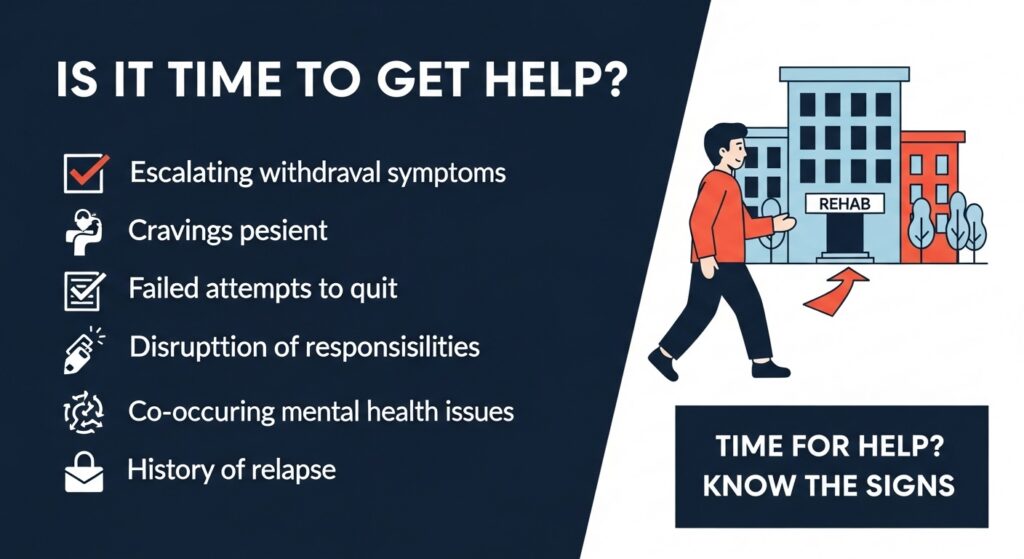
Recognizing the right moment to seek professional treatment for alcohol withdrawal can be the pivotal step toward reclaiming health and well-being. The ‘stages of change’ model inherent to one of One Step’s core counselling methods (Motivational Interviewing) sees clients going through a “contemplation” stage before they make the decision to come to rehab. Many individuals reach this crossroads after experiencing the escalating effects of withdrawal, dependence, or addiction, often compounded by the emotional and physical challenges that arise during detoxification.
When withdrawal symptoms begin to interfere with daily life or pose significant health risks, clinical and medical intervention is not only advisable but essential for safe, effective recovery. This is what we call the “decision and action” stage of change. At One Step Rehab, we believe early guidance makes a profound difference, empowering individuals to move beyond mere contemplation of their problems and into action through proven treatments and comprehensive support, setting the stage for lasting recovery.
Guidance, Checklists, and Steps to Begin Your Recovery Journey
Taking the first step towards recovery from alcohol dependence or addiction often requires more than personal resolve; it demands informed guidance, structured support, and thorough clinical assessment. Our team will conduct a thorough clinical assessment to assess your level of alcohol dependence, including a full medical history. If you’ve noticed that withdrawal symptoms are intensifying, or if episodes of alcohol withdrawal syndrome have become disruptive or hazardous, it’s crucial to consider professional intervention, and our team can help guide you to the appropriate level of care.
Early treatment is key, as withdrawal management can quickly move from uncomfortable to medically dangerous, especially when dependence is longstanding or co-occurring mental health disorders are present.
At One Step Rehab, we strongly encourage anyone experiencing withdrawal symptoms to review their recent experiences against a clear, evidence-based checklist:
- escalating severity of withdrawal,
- persistent cravings,
- failed attempts to reduce alcohol intake,
- interference with responsibilities,
- presence of co-occurring disorder or mental health concerns
All of these signal a need for professional help. A free consultation and clinical assessment with One Step Rehab can be the first step in negotiating the complex process of withdrawing from alcohol. It is best to seek clinical help and advice when your drinking has caused one or more of the above symptoms, because in most cases of advanced alcohol dependence, home detoxes tend to fail due to lack of medical oversight and emotional support.
Effective recovery starts with a multi-faceted approach. The first steps involve seeking a clinical evaluation to determine the severity of withdrawal and underlying addiction. Medical screening allows for tailored withdrawal management, appropriate medication where necessary, and a direct transition into comprehensive and holistic treatment according to a recognized clinical standard of care, such as that guaranteed by the Thai Ministry of Health.
At One Step Rehab in Chiang Mai, our collaborative process begins the moment you reach out for help. Our guidance includes not only a detailed assessment but also compassionate support and a thorough explanation of available options, ensuring each step is clear and manageable. It’s important to remember that embarking on the journey to recovery is not a solitary endeavor. Professional support, such as that provided through inpatient treatment, integrates psychological treatment, structured routines, medical monitoring, and peer encouragement, reducing the risk of relapse and reinforcing a sense of safety throughout withdrawal and beyond.
If you or a loved one is at the threshold, feeling uncertain, overwhelmed, or unsure, please know that support is available, and taking action now can prevent the complications associated with unmanaged withdrawal or unresolved addiction.
The road to recovery often begins with one informed, courageous step, guided by a combination of clinical excellence, strong management protocols, and genuine empathy. At One Step Rehab, our mission is to walk beside you throughout this journey, providing expert guidance, proven steps, and unwavering support so that every phase of recovery is met with confidence. By choosing professional treatment, you’re not only addressing the immediate dangers of withdrawal syndrome, but you’re also laying the groundwork for healthier, lasting outcomes through every future stage of your recovery.
Alcohol withdrawal can be a challenging experience, but it is also the first and most important step towards a healthier future. Seeking professional help ensures that detoxification is carried out safely, minimizing risks and helping you regain stability more quickly.
At One Step Rehab in Chiang Mai, our expert team is here to guide and support you every step of the way, from initial detox to long-term recovery. If you or a loved one is ready to begin this life-changing journey, we are here to help you reclaim your life with confidence and care.
References:
“Dual Diagnosis Competency among Addiction Treatment Staff: Training Levels, Training Needs and the Link to Retention” S.J. Schulte; P.S. Meier; J. Stirling; M. Berry. Eur Addict Res (2010) 16 (2): 78–84.
Fact-checked by:
Dr. Worapakthorn Kongpesalaphun (M.D.) Consultant Psychiatrist.

Alastair Mordey
Alastair Mordey is one of the pioneers of drug and alcohol treatment globally and specifically in Asia. He has been an addiction’s professional for twenty years. He started his career as an expert in substance abuse working with street homeless dr...
Learn more about Alastair Mordey