Key Takeaways
- Substance abuse hijacks the brain’s dopamine system — the neurotransmitter responsible for motivation, pleasure, and reward. Chronic drug or alcohol use floods the brain with dopamine, causing it to downregulate its own production. When you stop using, dopamine levels crash, leaving you with flat mood, zero motivation, intense cravings, and an inability to enjoy anything (anhedonia).
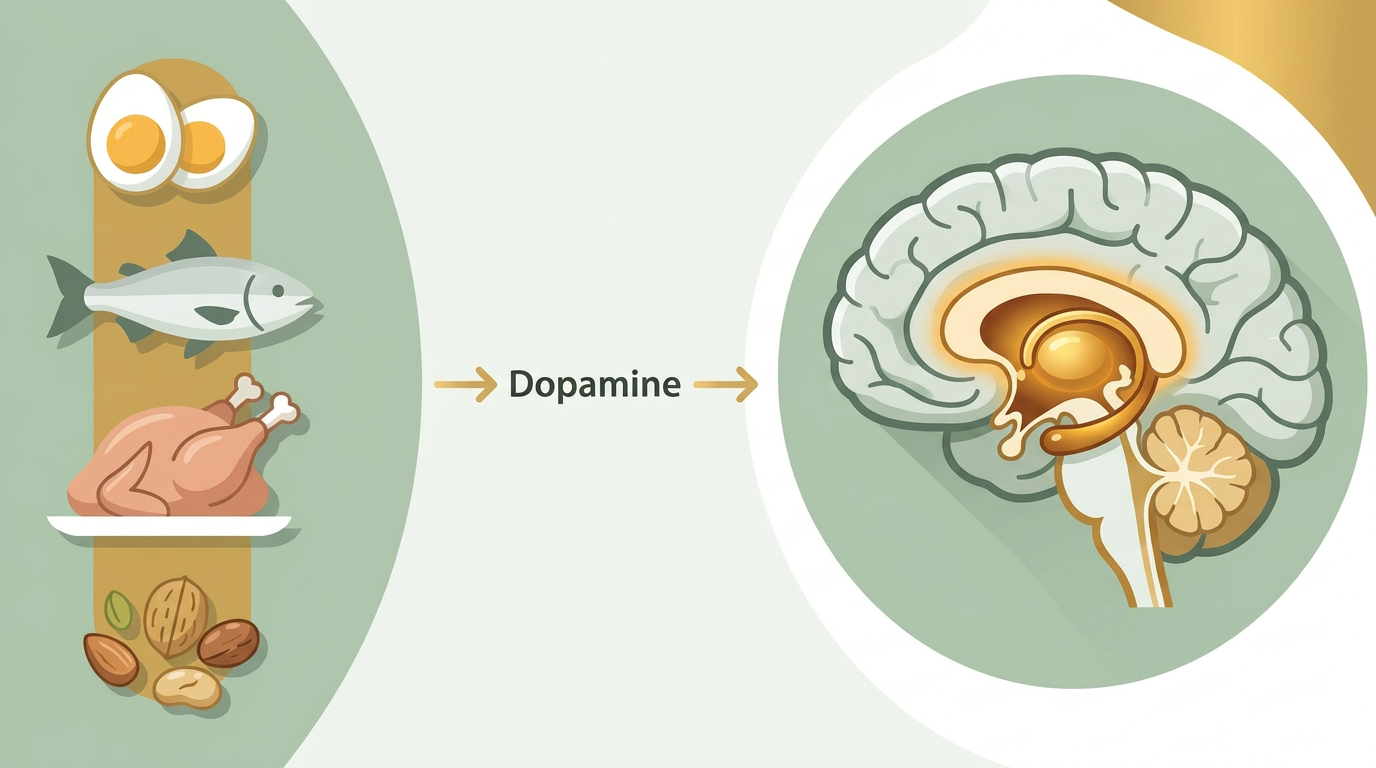
- The “dopamine diet” is a practical, evidence-based nutritional strategy that provides the amino acid precursors your brain needs to rebuild dopamine naturally. High-protein foods (eggs, chicken, fish, turkey) supply tyrosine — the building block your neurons use to produce dopamine. Combined with complex carbs, omega-3 fats, and antioxidant-rich vegetables, this diet directly supports brain recovery.
- Substance abuse depletes specific nutrients: B vitamins, vitamin C, vitamin D, magnesium, and zinc are commonly deficient in people entering rehab. At One Step, early-stage bloodwork identifies individual deficiencies so supplementation and meal plans can be targeted.
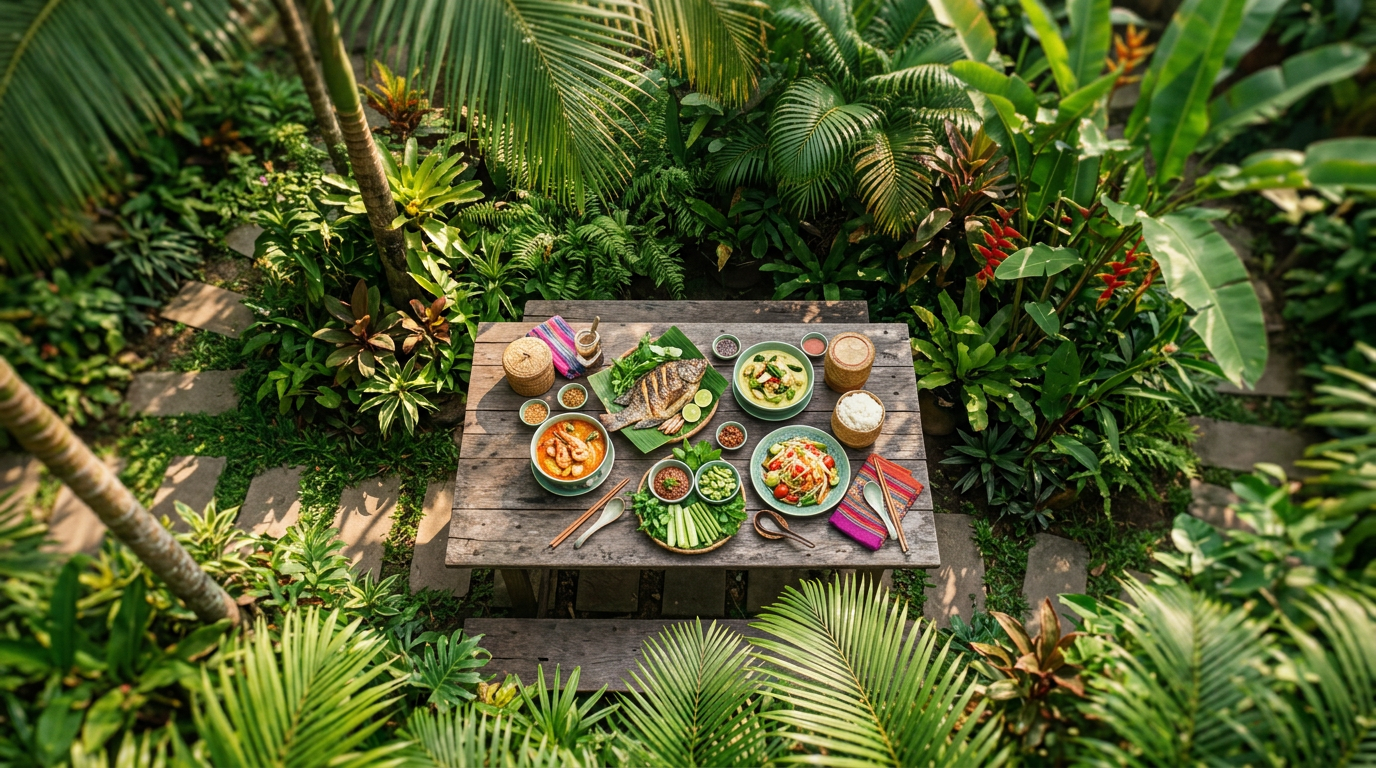
- At One Step, every meal is designed around what we call a “dopamine-smart menu” — high-protein breakfasts for amino acid loading, balanced Thai meals using fresh local ingredients, and careful attention to blood sugar stability. Thai cuisine’s emphasis on herbs, vegetables, lean proteins, and anti-inflammatory spices makes it naturally suited to recovery nutrition.
- Nutrition alone doesn’t fix addiction — but it makes every other part of treatment work better. Stable blood sugar reduces cravings. Restored dopamine improves therapy engagement. Physical fitness amplifies nutritional gains. Diet is the foundation that everything else builds on.
Your brain is broken. Not permanently — but right now, after months or years of substance abuse, your dopamine system is depleted and dysregulated. That’s why everything feels flat, nothing is enjoyable, and cravings dominate your waking hours. The dopamine diet is the nutritional strategy that helps your brain rebuild its own reward system — using food, not drugs, to restore the neurotransmitter balance that addiction destroyed (Harvard Health).
This isn’t a wellness trend or a fad diet. It’s applied neuroscience: giving your brain the specific amino acids, vitamins, and nutrients it needs to manufacture dopamine, serotonin, and other neurotransmitters that substance abuse has stripped away. At One Step, nutrition is a clinical component of treatment — not an afterthought. This post explains the science, the specific foods, what a typical day’s eating looks like in rehab, and why it matters for your recovery.
What Happens to Your Brain Chemistry When You Abuse Drugs or Alcohol?
Chronic substance abuse fundamentally alters the brain’s dopamine system. Drugs and alcohol trigger dopamine surges far beyond what any natural activity produces — flooding the brain’s reward centre and creating the “high” that drives repeated use. Over time, the brain adapts by downregulating dopamine receptors and reducing its own dopamine production, a process called neuroadaptation.
The result, when you stop using, is a dopamine deficit. Your brain has literally adjusted to expect massive dopamine surges from substances, and now it can’t produce enough on its own for normal functioning. This manifests as:
- Anhedonia — inability to experience pleasure from activities that used to feel rewarding (food, social connection, exercise, achievement)
- Intense cravings — your brain demands the only source of dopamine it’s learned to rely on
- Low motivation — without dopamine, even basic tasks feel overwhelming
- Mood instability — depression, irritability, anxiety, emotional flatness
- Cognitive impairment — poor concentration, brain fog, memory lapses
This isn’t weakness or a character flaw. It’s neurochemistry. And just as the brain adapted to substance abuse, it can readapt to healthy dopamine production — given the right inputs. That’s where nutrition comes in.
What Is the Dopamine Diet?
The dopamine diet is a nutritional approach that prioritises foods containing the amino acid precursors your brain needs to synthesise dopamine. The primary building block is tyrosine — an amino acid found in high-protein foods that your neurons convert into dopamine through a multi-step enzymatic process. Without adequate tyrosine intake, your brain literally cannot produce enough dopamine, regardless of how much therapy or exercise you do.
Key dopamine-supporting foods:
- High-protein sources: Eggs, chicken, turkey, fish, lean beef, beans, lentils, dairy — these provide tyrosine and phenylalanine, the two amino acids directly involved in dopamine synthesis
- Complex carbohydrates: Brown rice, oats, sweet potatoes, whole grains — provide steady glucose for brain energy without the crashes that trigger cravings
- Omega-3 fatty acids: Salmon, mackerel, sardines, walnuts, chia seeds, flaxseeds — enhance brain cell membrane function and may increase dopamine receptor sensitivity
- Antioxidant-rich fruits and vegetables: Berries, spinach, kale, bell peppers — reduce neuroinflammation and protect damaged neural pathways during recovery
- Healthy fats: Avocados, nuts, seeds, olive oil — provide structural support for neurotransmitter production and efficient signal transmission
The diet also avoids foods that destabilise dopamine: processed sugar (causes spikes and crashes), excessive caffeine (temporary dopamine boost followed by depletion), and refined carbohydrates (rapid blood sugar swings that worsen cravings).
One important note: the “dopamine detox” trend — fasting or extreme restriction to “reset” dopamine — is counterproductive for people in addiction recovery. Severely restricting food intake lowers dopamine further, worsens withdrawal symptoms, and increases relapse risk. The goal is steady, consistent nourishment, not deprivation.
Which Nutrients Does Addiction Deplete — and How Do You Restore Them?
Chronic substance abuse doesn’t just disrupt neurotransmitters — it creates widespread nutritional deficiencies that compound the brain chemistry problem. Drugs and alcohol reduce appetite, impair gut absorption, and strip the body of specific vitamins and minerals essential for neurological function.
The most common deficiencies in people entering rehab:
| Nutrient | Depleted by | Effects of deficiency | Food sources |
|---|---|---|---|
| B vitamins (B1, B6, B12, folate) | Alcohol (especially B1/thiamine) | Fatigue, cognitive impairment, nerve damage, Wernicke’s encephalopathy | Eggs, leafy greens, whole grains, legumes |
| Vitamin C | Stimulants, alcohol, opioids | Weakened immunity, poor wound healing, increased oxidative stress | Citrus, bell peppers, broccoli, strawberries |
| Vitamin D | General malnutrition, indoor living | Depression, bone weakness, immune dysfunction | Fatty fish, egg yolks, sunlight exposure |
| Magnesium | Alcohol, stimulants | Anxiety, insomnia, muscle cramps, seizure risk | Dark chocolate, nuts, seeds, spinach |
| Zinc | Alcohol, opioids | Impaired immunity, poor appetite, slow healing | Shellfish, beef, pumpkin seeds, chickpeas |
| Omega-3 fatty acids | Poor diet during active addiction | Neuroinflammation, impaired brain cell function, depression | Salmon, mackerel, walnuts, flaxseeds |
At One Step, thiamine supplementation is standard for all alcohol-dependent clients (to prevent Wernicke’s encephalopathy), and additional supplements are prescribed based on individual results. But supplementation is a bridge — the goal is to restore nutrient levels through food, which provides better bioavailability and the synergistic effects of whole-food nutrition.
How Does Blood Sugar Affect Cravings and Mood?
Blood sugar instability is one of the most underappreciated drivers of relapse. When blood sugar drops rapidly — after a sugary snack, a skipped meal, or a refined-carb crash — the body triggers a stress response that feels remarkably similar to a substance craving: anxiety, irritability, shakiness, difficulty concentrating, and an urgent need for something to “fix” how you feel.
For someone in early recovery, whose dopamine system is already depleted, these blood sugar crashes are especially dangerous. The brain interprets the discomfort as a cue to seek reward — and the most powerful reward it knows is the substance you’re trying to quit.
The dopamine diet addresses this directly:
- Every meal includes protein — slows glucose absorption and prevents spikes
- Complex carbohydrates replace refined ones — oats instead of sugary cereal, sweet potato instead of chips
- Regular eating schedule — three meals plus two snacks, no skipping. Structured eating prevents the dips that trigger cravings
- Minimal processed sugar — sugar substitution is one of the most common patterns in early recovery (replacing drugs with sweets), and it perpetuates the dopamine spike-crash cycle
At One Step, meals are timed to the therapy schedule: high-protein breakfast at 8am before group therapy, balanced lunch at noon, afternoon snack before fitness, and dinner at 6pm. The timing isn’t random — it’s designed to keep energy and mood stable through the most demanding parts of the treatment day.
What Does the Dopamine Diet Actually Look Like at One Step?
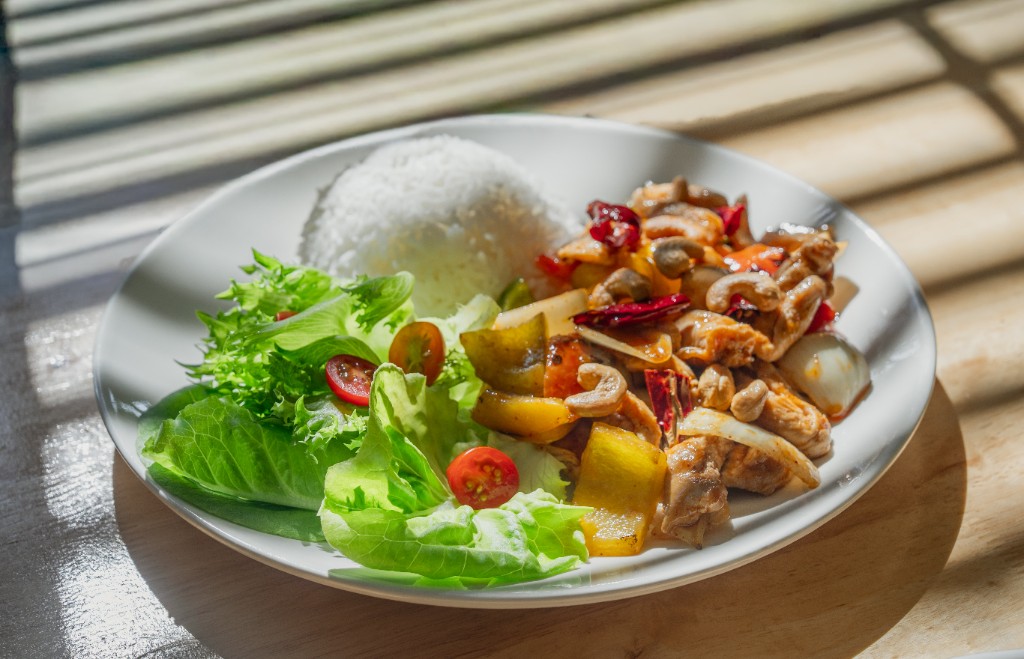
At One Step, meals are designed by our team with input from nutritional principles specific to addiction recovery. The menu integrates Thai cuisine — which is naturally well-suited to brain recovery due to its emphasis on fresh herbs, lean proteins, vegetables, and anti-inflammatory spices.
A typical day’s eating:
- Breakfast (8am): Scrambled eggs with vegetables, wholegrain toast, fresh fruit, Thai-style congee (rice porridge) with chicken and ginger on rotation. High-protein start to provide tyrosine for the morning therapy session.
- Mid-morning snack (10:30am): Nuts, seeds, yoghurt, or a banana — available during the group therapy break.
- Lunch (12pm): Thai-style balanced plate — grilled chicken or fish with rice, stir-fried morning glory or bok choy with garlic, tom yum soup (galangal, lemongrass, kaffir lime — all anti-inflammatory). Fresh mango or papaya for dessert.
- Afternoon snack (3pm): Post-fitness recovery — protein shake or boiled eggs with fruit. Timed to refuel after Muay Thai or gym sessions.
- Dinner (6pm): Pad kra pao (Thai basil stir-fry with lean protein), steamed vegetables, jasmine rice. Or grilled fish with som tam (papaya salad). Lighter than lunch to support sleep.
Thai cuisine brings specific advantages for recovery nutrition. Turmeric, galangal, and lemongrass — staples in Thai cooking — have documented anti-inflammatory properties that support neurological healing. Fresh herbs like Thai basil, coriander, and mint provide micronutrients and make meals genuinely enjoyable, which matters: if recovery food tastes like hospital food, people won’t eat it.
Meals are communal. No one eats alone in their room. Shared meals rebuild social skills, reduce isolation, and create a daily structure that mirrors healthy life after treatment. In Thai culture, eating together is an expression of “Nam Jai” — kindness and generosity — and this communal approach is woven into the recovery experience.
Why Does Fitness Make the Diet Work Better?
Exercise and nutrition are synergistic — each amplifies the other’s effects on brain recovery. Physical activity stimulates dopamine receptor growth, improves blood flow to the brain, enhances nutrient absorption, and triggers the release of endorphins and BDNF (brain-derived neurotrophic factor) — a protein that promotes new neural connections.
At One Step, the fitness programme runs daily: Muay Thai boxing, gym sessions, swimming, hiking around Doi Suthep, cycling, and yoga. This isn’t recreational — it’s clinical. Exercise directly restores dopamine receptor density that substance abuse depleted (Neuropsychopharmacology, 2016). When combined with a dopamine-supporting diet, the effect is compounded: the brain gets both the building blocks (from food) and the stimulus (from exercise) to rebuild its reward system.
The practical sequence matters. High-protein breakfast provides tyrosine before morning therapy. The afternoon fitness session stimulates dopamine production and receptor growth. Post-workout nutrition (protein and carbs within 30 minutes) maximises recovery and neurotransmitter synthesis. Dinner supports restorative sleep — when the brain does most of its structural repair.
This integration of fitness, nutrition, and therapy is deliberate. Clients who engage in all three show measurably faster mood improvement, better sleep, reduced cravings, and stronger therapy engagement than those who focus on any single element alone.
Can Nutrition Help with Anxiety and Depression During Recovery?
Yes — and it’s not just about dopamine. Serotonin, another key neurotransmitter governing mood, anxiety, and sleep, is also affected by diet. Approximately 90% of the body’s serotonin is produced in the gut, which means gut health directly impacts mental health — a connection known as the gut-brain axis.
Substance abuse damages the gut lining, disrupts the microbiome, and impairs serotonin production. This partially explains why anxiety and depression are so prevalent in early recovery — it’s not just psychological, it’s physiological.
Foods that support serotonin production and gut health:
- Tryptophan-rich foods: Turkey, eggs, cheese, tofu, salmon, nuts — tryptophan is the amino acid precursor to serotonin, just as tyrosine is for dopamine
- Fermented foods: Yoghurt, kimchi, miso — restore healthy gut bacteria that support serotonin synthesis
- Fibre-rich vegetables: Feed beneficial gut bacteria. Thai cuisine’s heavy use of fresh vegetables provides this naturally.
- Magnesium-rich foods: Dark leafy greens, nuts, seeds, dark chocolate — magnesium deficiency is directly linked to anxiety, and it’s one of the most common deficiencies in people with alcohol use disorder
Mindful eating practices complement the nutritional approach. At One Step, mindfulness extends to meals: eating slowly, noticing textures and flavours, paying attention to hunger and satiety cues. This retrains the reward system to find genuine pleasure in everyday activities — countering the anhedonia that drives relapse. For someone who hasn’t experienced authentic enjoyment of food in months or years of addiction, the simple act of tasting a well-prepared Thai meal can be surprisingly therapeutic.
The brain can heal — that’s the fundamental message. But it needs the right inputs: amino acids to rebuild neurotransmitters, vitamins to support enzymatic processes, stable blood sugar to prevent cravings, and physical activity to stimulate receptor regrowth. We can’t just talk our way out of a dopamine deficit. We have to feed our way out of it — and then the therapy works better, the exercise works better, and recovery becomes self-reinforcing.
DWDr. Worapakthorn Kongpesalaphun, M.D.Consultant Psychiatrist, One Step Rehab
Frequently Asked Questions About Nutrition and the Dopamine Diet
Common questions about how food affects brain recovery, what to eat in rehab, and how nutrition supports addiction treatment.
Full dopamine system recovery typically takes 6–12 months, though significant improvement in mood and motivation usually begins within 2–4 weeks of sobriety combined with proper nutrition and exercise. The timeline depends on the substance used, duration of use, and individual biology. Heavy stimulant users (methamphetamine, cocaine) generally take longer than alcohol users to restore baseline dopamine function.
The dietary principles work anywhere. Focus on high-protein meals, complex carbohydrates, omega-3s, and minimal processed sugar. However, in active addiction, appetite is often suppressed and meal discipline is poor — which is why the structured environment of rehab, where meals are prepared and timed, makes implementation far more effective. The diet supports recovery but doesn’t replace clinical treatment.
Food should be the primary source of nutrients. However, most people entering rehab have significant deficiencies that food alone can’t correct quickly enough. Thiamine (vitamin B1) supplementation is standard for all alcohol-dependent clients to prevent neurological complications. Other supplements — B-complex, magnesium, omega-3, vitamin D — may be prescribed based on bloodwork results. Once deficiencies are corrected, a balanced diet should maintain adequate levels.
Sugar triggers a dopamine release — smaller than drugs, but the same mechanism. When your dopamine system is depleted, your brain searches for any quick source of reward. Sugar substitution is extremely common in early recovery and can become its own problem — perpetuating the spike-and-crash cycle that mimics substance cravings. The dopamine diet counters this by providing steady dopamine support through protein and complex carbs, reducing the physiological drive for sugar.
Yes. Thai cuisine is naturally adaptable — tofu, tempeh, legumes, and nuts provide excellent plant-based protein sources for dopamine production. Our kitchen accommodates vegetarian, vegan, gluten-free, and common food allergy requirements. Dietary needs are discussed during the admissions process so meal plans are adjusted before you arrive.
A “dopamine detox” involves fasting or avoiding stimulation to supposedly reset dopamine sensitivity. For people in addiction recovery, this is counterproductive — restricting food lowers dopamine further, worsens withdrawal, and increases relapse risk. The dopamine diet does the opposite: it provides consistent, nutrient-rich fuel to rebuild dopamine production. The brain needs building blocks, not deprivation.

Written by
Alastair Mordey
Alastair Mordey is one of the pioneers of drug and alcohol treatment globally and specifically in Asia. He has been an addiction’s professional for twenty years. He started his career as an expert in substance abuse w...
Learn more about Alastair
Medically reviewed by
Dr. Worapakthorn Kongpesalaphun
Consultant Psychiatrist · Thai Licensed Medical Doctor · Residency in Psychiatry, Somdet Chaopraya Institute · Doctor of Medicine, Rangsit University
Dr. Worapakthorn Kongpesalaphun is a Thai Licensed Medical Doctor and Expert in Preventive Medicine (Community Mental Health) with extensive experience in addiction treatment and public health management. He holds multip...
Learn more about Dr. Worapakthorn