Key Takeaways
- Luxury rehab costs 2–3x more than mid-range treatment ($25k+ vs $8k/month) but research shows recovery outcomes depend on therapy quality, programme structure, and length of stay — not facility aesthetics.
- Luxury makes sense in three specific situations: when you need strict privacy protocols, when comfort is the only way to get someone to engage with treatment, or when severe detox requires close on-site medical oversight.
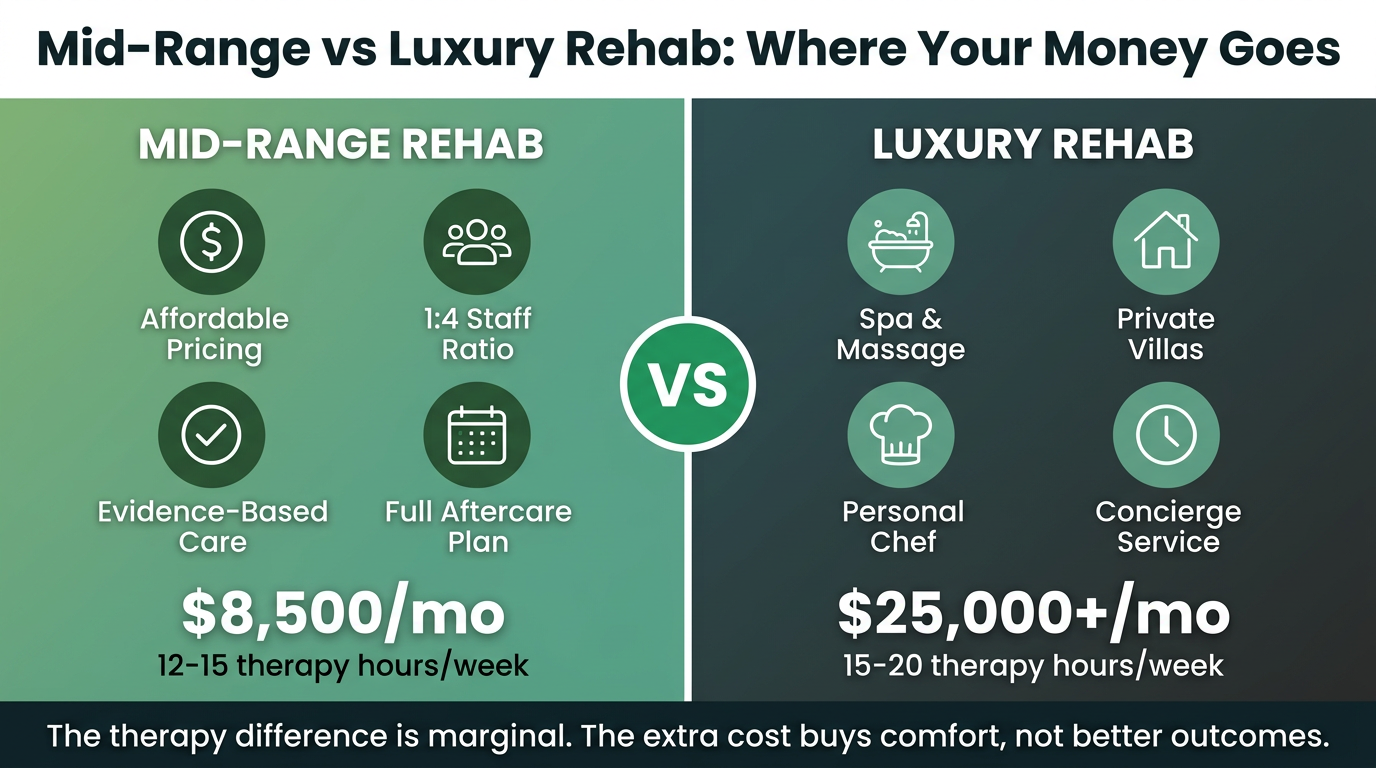
- The therapy difference between mid-range and luxury is marginal (12–15 vs 15–20 hours/week). The extra cost mostly buys private villas, personal chefs, and spa treatments — none of which affect whether you stay sober.
- When evaluating any rehab, ask about therapy schedules, counsellor experience, staff-to-client ratios, detox protocols, and aftercare planning. If a facility talks more about amenities than treatment, that is a red flag.
- A 28-day programme with excellent counsellors in a basic facility outperforms a 14-day stay at a resort. Longer treatment at an affordable centre often beats a shorter luxury stay.
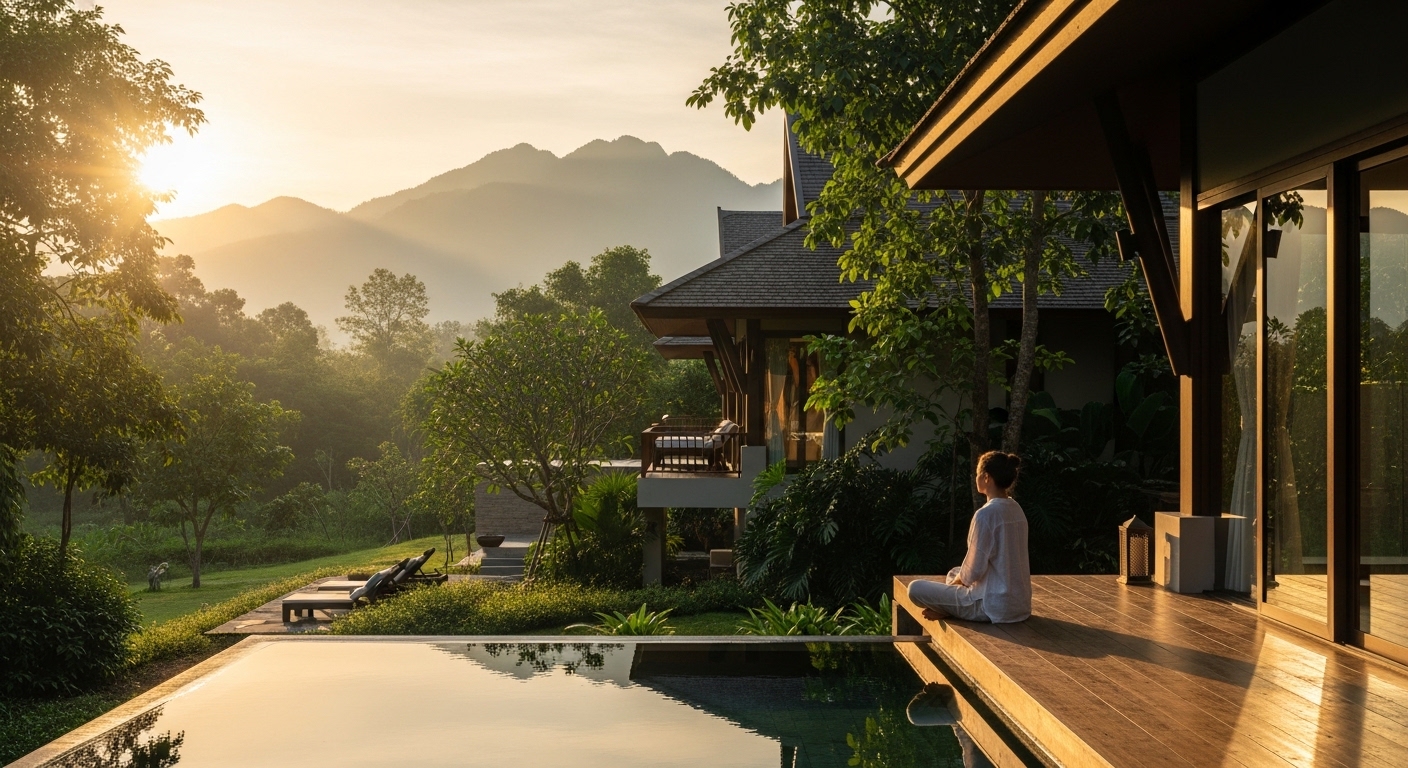
Luxury rehab costs 2-3x more than mid-range treatment. It doesn’t improve outcomes. What actually determines whether you stay sober: the quality of therapy, structure of the program, and medical oversight during detox (NIDA). The infinity pool won’t keep you clean.
That said, luxury amenities aren’t useless. For some people (executives worried about privacy, those resistant to entering treatment, or anyone who’s tried bare-bones facilities and bounced) the comfort can reduce barriers to actually engaging with the program.
We’re not a luxury facility. We’re mid-range, and we think that’s the right balance for most people. This post explains when paying more makes sense, when it doesn’t, and what you should actually be evaluating when choosing a rehab in Chiang Mai.
What Does Mid-Range Rehab in Chiang Mai Include?
One Step Rehab in Chiang Mai charges approximately ฿280,000/month (~$8,500 USD) for a mid-range residential addiction treatment programme that includes daily group therapy, weekly individual counselling, psychiatric oversight, meditation, yoga, pool access, and full aftercare planning. Luxury amenities like private chefs, spas, and personal trainers are not included — those add cost without improving clinical outcomes.
We charge approximately ฿280,000/month (~$8,500 USD). Here’s exactly what that covers:
| Included | Not Included |
|---|---|
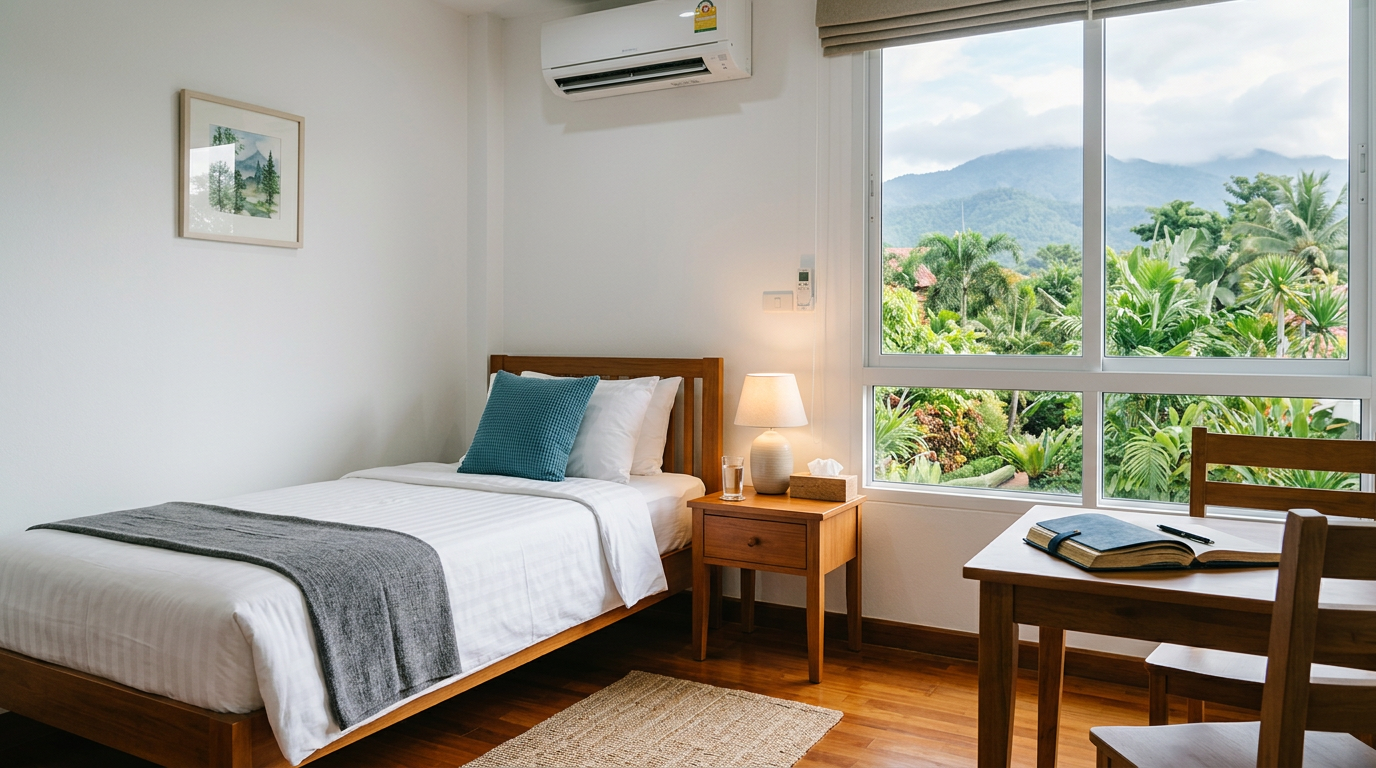
| Private room with AC | Personal chef / gourmet dining |
| Three meals daily (Thai and Western options) | Spa treatments |
| Pool access | Private villa |
| Daily group therapy (2-3 hours) | Equine therapy |
| Weekly individual counseling | Adventure excursions |
| Visiting psychiatrist | On-site doctor |
| Meditation and yoga sessions | Personal trainer |
| Aftercare planning | Concierge services |
Our typical day: Wake at 7am. Morning meditation optional. Breakfast at 8. Group therapy 9-11am. Lunch. Afternoon individual sessions or wellness activities. Evening meeting. Lights out at 10pm.
Most clients stay 28-60 days. We’ll tell you upfront if we think you need longer. Shorter stays rarely stick for anything beyond mild dependencies (Surgeon General’s Report, 2016).
When Is Luxury Rehab Actually Worth It?
Luxury rehab is worth the higher cost in three specific situations: when you need strict privacy protocols as a public figure or executive, when a resort-like environment is the only way to get a treatment-resistant person to engage with therapy, or when severe alcohol or benzodiazepine withdrawal requires close on-site medical monitoring that some luxury facilities provide.
Paying more makes sense in these specific situations:
Privacy concerns
If you’re a public figure, executive, or simply can’t risk being seen at a facility, luxury centers often have better privacy protocols—private entrances, NDAs for staff, no shared spaces. If your career depends on discretion, this isn’t vanity; it’s practical.
Treatment resistance
Some people won’t engage with treatment unless the environment feels comfortable. If someone has bounced from multiple programs, sometimes the “resort feel” removes enough friction to get them through the door and into therapy. The goal is engagement—whatever enables that.
Severe medical needs
Heavy alcohol or benzodiazepine dependence can require intensive medical monitoring during detox (SAMHSA TIP 45). Some luxury facilities have physicians on-site full-time. If you’re detoxing from substances with serious withdrawal risks, ask specifically about medical staffing, not just amenities.
When Are You Just Paying for a Nicer Room?
For the majority of people seeking addiction treatment, luxury rehab does not improve recovery outcomes. Research shows that sobriety correlates with therapy quality, programme structure, and length of stay — not facility aesthetics (Surgeon General’s Report, 2016). The therapy difference between an $8,000/month mid-range facility and a $25,000+ luxury centre is marginal; the extra cost primarily buys private villas, personal chefs, and spa access.
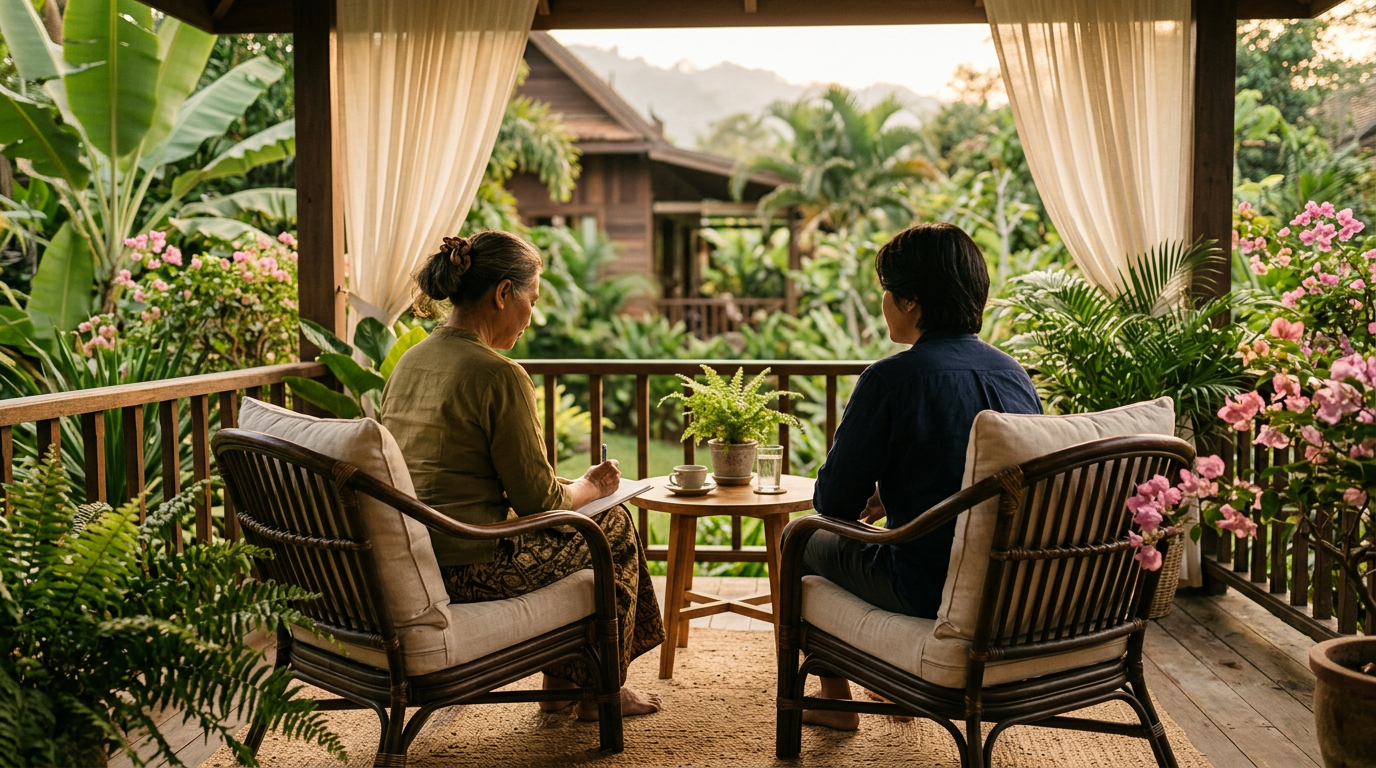
In my experience treating alcohol and substance dependence, the quality of the therapeutic relationship matters far more than the facility’s amenities. I’ve seen patients achieve lasting recovery in modest settings with skilled counsellors, and I’ve seen others relapse after luxury programmes that lacked clinical structure. What keeps someone sober is consistent, evidence-based therapy — not a private villa.
DWDr. Worapakthorn Kongpesalaphun, M.D.Consultant Psychiatrist, One Step Rehab
Where the extra money actually goes
| Cost Component | Mid-Range ($8k/mo) | Luxury ($25k+/mo) |
|---|---|---|
| Therapy hours/week | 12-15 hours | 15-20 hours |
| Staff ratio | 1:4 | 1:2 |
| Accommodation | Private room | Private villa/suite |
| Food | Quality meals | Personal chef |
| Extras | Pool, gym, yoga | Spa, massage, excursions |
The therapy difference is marginal. The accommodation and food difference is significant—but doesn’t affect whether you stay sober. You’re paying for comfort, not outcomes.
How Should You Evaluate a Rehab Facility?
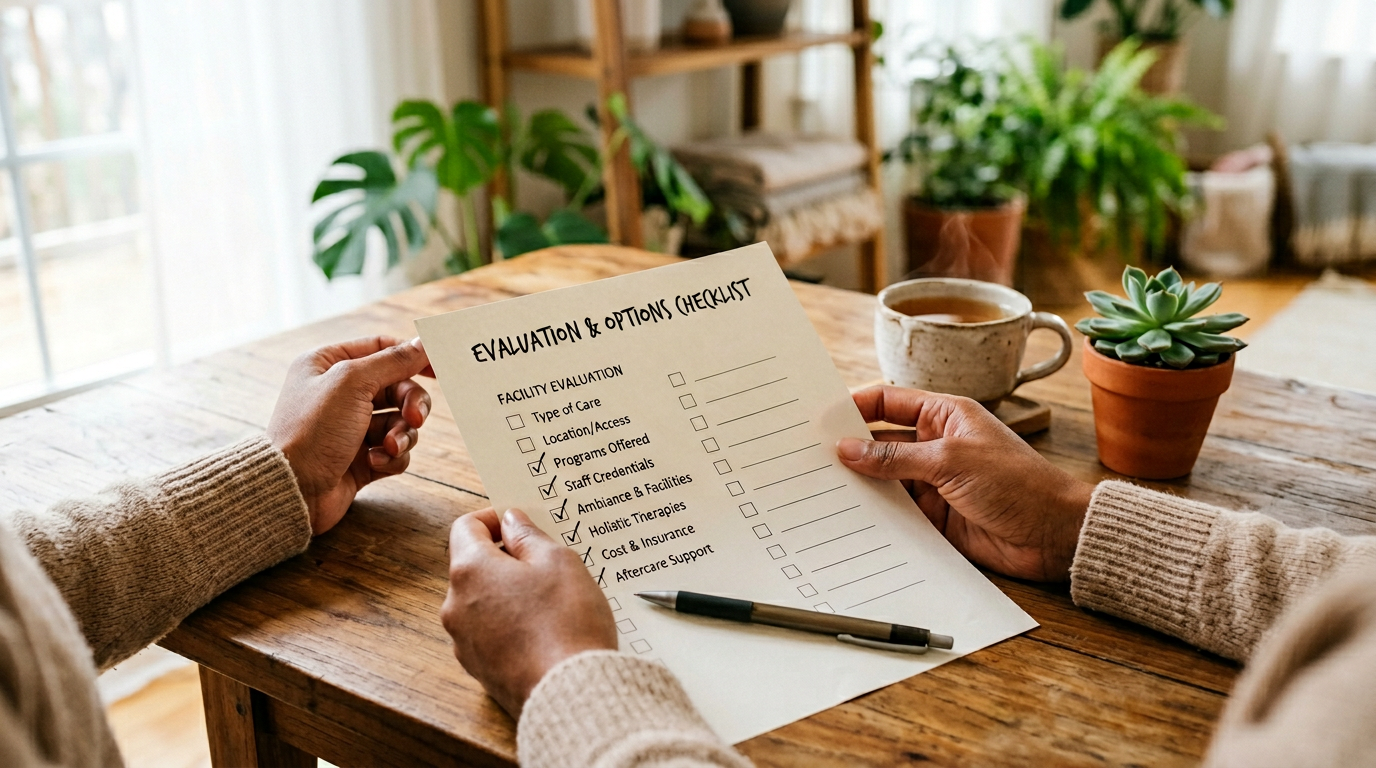
The most reliable way to evaluate any rehab facility — luxury or mid-range — is to ask six specific questions: therapy schedule and hours, counsellor experience, staff-to-client ratio, detox monitoring protocols, aftercare planning timeline, and whether you can speak to a former client. If a facility talks more about amenities than treatment structure, treat that as a red flag.
Forget the photos. Ask these questions:
- What’s your therapy schedule? Get specifics—hours per day, group vs. individual split, therapy modalities used.
- Who are your counselors? Credentials matter less than experience. Ask how long they’ve been doing this.
- What’s your staff-to-client ratio? Lower is better. Above 1:6 and you’re not getting much individual attention.
- How do you handle detox? If you need medical detox, ask about monitoring protocols and who provides medical oversight.
- What happens after I leave? Aftercare planning should start in week one, not the day before discharge.
- Can I talk to a former client? Reputable facilities will connect you with alumni who’ve agreed to share their experience.
Red flags
- More talk about amenities than treatment approach
- Vague answers about therapy hours or staff qualifications
- Pressure to book immediately
- No clear aftercare plan
- Unwillingness to discuss what happens if treatment isn’t working
Why Choose Chiang Mai for Rehab?
Chiang Mai offers addiction treatment at 50–70% less than equivalent facilities in the US, UK, or Australia, while providing physical distance from triggers and a warm year-round climate that supports recovery during detox. However, quality varies wildly between Thai rehab centres — the location alone means nothing without evaluating each facility’s therapy, staffing, and programme structure individually.
- Cost: 50-70% less than equivalent US/UK/Australian facilities
- Distance from triggers: Being 8,000 miles from your dealer and drinking buddies has value
- Climate: Warm year-round, which helps if you’re feeling physically rough during detox
- Quality: Varies wildly. Don’t assume “Thailand” means anything—evaluate each facility individually
Thailand isn’t magic. The same questions about therapy quality, staff ratios, and program structure apply here as anywhere.

Should You Choose Luxury or Mid-Range Rehab?
For most people, mid-range rehab in Chiang Mai delivers equivalent therapy quality to luxury facilities at roughly one-third the price. The money saved is better spent on longer treatment duration — the single strongest predictor of sustained recovery from addiction (Zhang et al., Addiction, 2003) — or on comprehensive aftercare support after discharge.
If you have unlimited money and privacy is critical, luxury rehab makes sense. For most people, mid-range facilities offer the same therapy quality at half the price, and the money saved is better spent on longer treatment or solid aftercare.
We’re biased. We run a mid-range facility. But we’re also honest: if you need intensive medical monitoring or total discretion, there are situations where luxury is the right call. Just make sure you’re paying for treatment quality, not just a nicer room.
Frequently Asked Questions About Luxury Rehab in Chiang Mai
Common questions about choosing between luxury and mid-range addiction treatment in Thailand.
No. Research consistently shows that recovery outcomes depend on therapy quality, programme structure, and length of stay — not facility aesthetics or amenities. A 28-day programme with experienced counsellors in a mid-range facility typically outperforms a shorter stay at a luxury resort. The marginal difference in weekly therapy hours (12–15 vs 15–20) does not justify the 2–3x price difference for most people.
Mid-range rehab in Chiang Mai costs approximately $8,500 USD per month, while luxury facilities charge $15,000–$30,000+ per month. Equivalent programmes in the US, UK, or Australia typically cost $20,000–$80,000+ per month. Chiang Mai offers 50–70% savings compared to Western facilities, with comparable clinical standards and therapy quality.
Most programmes recommend a minimum of 28 days, with 60–90 days producing significantly better long-term outcomes. At One Step Rehab, most clients stay 28–60 days. Treatment duration is the single strongest predictor of sustained recovery — shorter stays rarely produce lasting results for anything beyond mild dependence. We will be upfront if we think you need longer than initially planned.
No. One Step Rehab is a mid-range facility that prioritises clinical quality over luxury amenities. You get a private room with air conditioning, three meals daily, pool access, daily group therapy, weekly individual counselling, a visiting psychiatrist, and full aftercare planning — for approximately ฿280,000/month (~$8,500 USD). We invest in qualified therapists and evidence-based programming rather than spas, personal chefs, or concierge services.
Quality varies significantly between facilities. Reputable centres like One Step Rehab use evidence-based approaches including cognitive behavioural therapy, motivational interviewing, and structured relapse prevention — the same methods used in leading Western programmes. However, not all Thai rehabs maintain these standards. Always ask specifically about therapy modalities, counsellor qualifications, staff-to-client ratios, and medical oversight before choosing any facility.
Yes. At One Step Rehab, family visits can be arranged with approval from your lead counsellor. We also offer a Family Programme that includes education, therapy sessions, and guided communication — designed to help loved ones understand addiction and support your recovery after discharge. Many clients also stay in touch with family through scheduled phone or video calls during treatment.
Aftercare planning starts in your first week, not the day before discharge. At One Step, you leave with a personalised relapse prevention plan, access to 12 months of free online group therapy, referrals to therapists or support groups in your home community, and ongoing contact with your treatment team. The transition from residential treatment to everyday life is where many people relapse — structured aftercare significantly reduces that risk.

Written by
Alastair Mordey
Alastair Mordey is one of the pioneers of drug and alcohol treatment globally and specifically in Asia. He has been an addiction’s professional for twenty years. He started his career as an expert in substance abuse w...
Learn more about Alastair
Medically reviewed by
Dr. Worapakthorn Kongpesalaphun
Consultant Psychiatrist · Thai Licensed Medical Doctor · Residency in Psychiatry, Somdet Chaopraya Institute · Doctor of Medicine, Rangsit University
Dr. Worapakthorn Kongpesalaphun is a Thai Licensed Medical Doctor and Expert in Preventive Medicine (Community Mental Health) with extensive experience in addiction treatment and public health management. He holds multip...
Learn more about Dr. Worapakthorn