Key Takeaways
- “Holistic rehab” means treatment that combines CBT and group therapy with physical fitness, nutrition planning, and body-based therapies like trauma release exercises and meditation. Most Chiang Mai rehabs claim to be holistic — few actually structure their programme around it.
- The therapies most commonly used in addiction treatment are: trauma release exercises (TRE), mindfulness-based relapse prevention, structured physical exercise, and nutritional restoration. Sound baths and Thai massage support recovery but aren’t treatments on their own.
- Exercise directly restores dopamine function damaged by substance abuse. At One Step, Muay Thai, swimming, hiking, and gym sessions are built into every week — not offered as optional extras.
- Nutrition matters more than most rehabs acknowledge. Substance abuse depletes amino acids that produce dopamine and serotonin. Targeted meal planning accelerates brain recovery during the first 30 days.
- Red flag: any facility that markets “holistic” but can’t describe its therapy schedule, clinical staff, or how alternative therapies integrate with evidence-based treatment. Holistic without clinical structure is just a spa.
Every rehab in Chiang Mai calls itself holistic, but genuine holistic treatment integrates fitness, nutrition, and body-based therapies into a structured clinical programme — not as add-ons, but as core components that directly support brain recovery from addiction (NIDA).
At One Step, holistic isn’t a marketing label. It means your day includes Muay Thai or gym work, meals designed around dopamine-supporting nutrition, Vipassana meditation, and therapeutic techniques like TRE — alongside daily group therapy and weekly individual counselling with qualified professionals.
This post explains what holistic rehab actually involves, which alternative therapies have evidence behind them, and how to tell the difference between a programme that genuinely treats the whole person and one that just added a massage table to its brochure.

What Does Holistic Rehab Actually Include?
Holistic rehab in Chiang Mai combines evidence-based psychological treatment (CBT, motivational interviewing, group therapy) with structured physical exercise, nutritional therapy, and body-based practices like meditation and trauma release work. At One Step Rehab, these aren’t optional wellness extras — they’re scheduled into every client’s daily programme alongside clinical therapy.
The difference between a standard rehab and a genuinely holistic one isn’t whether yoga exists somewhere on the premises. It’s whether physical, nutritional, and experiential therapies are integrated into a structured treatment programme with clinical oversight.
| Component | Standard Rehab | Holistic at One Step |
|---|---|---|
| Group therapy | Daily | Daily (CBT-focused, 1.5 hours) |
| Individual counselling | Weekly | Weekly + as needed |
| Physical fitness | Optional gym access | Scheduled: Muay Thai, swimming, hiking, gym |
| Nutrition | Three meals provided | Dopamine-smart meal planning, protein-rich diet |
| Meditation | Occasional session | Daily Vipassana practice |
| Body-based therapy | None | TRE, Thai massage, breathwork |
| Psychiatric oversight | On referral | Visiting psychiatrist, medication review |
A typical day at One Step: Wake at 7am. Optional morning meditation. Breakfast at 8. Group therapy 9–11am. Lunch. Afternoon: Muay Thai or gym session, followed by individual counselling or TRE. Evening recovery meeting. Three structured meals with protein-rich, dopamine-supporting foods throughout.
Which Alternative Therapies Actually Work for Addiction?
The most evidence-based therapies for addiction are CBT, 12-step facilitation, and motivational interviewing. Mindfulness-based relapse prevention (MBRP) is the strongest evidence-based alternative therapy. However, structured breathwork, Thai massage, and sound healing all support the process by reducing stress and improving sleep. All of these methods work best alongside — not instead of — clinical treatment (SAMHSA, Trauma-Informed Approach).
Not all alternative therapies are equal. Here’s what we use at One Step and why:
Trauma Release Exercises (TRE)
TRE uses controlled muscular tremoring to release tension stored in the body from traumatic experiences. Addiction frequently has roots in unresolved trauma — SAMHSA estimates that over 75% of people entering addiction treatment report trauma histories. TRE provides a physical pathway to process what talk therapy alone may not reach. At One Step, TRE sessions are facilitated by trained practitioners and integrated with our counselling programme.
Vipassana Meditation and Breathwork
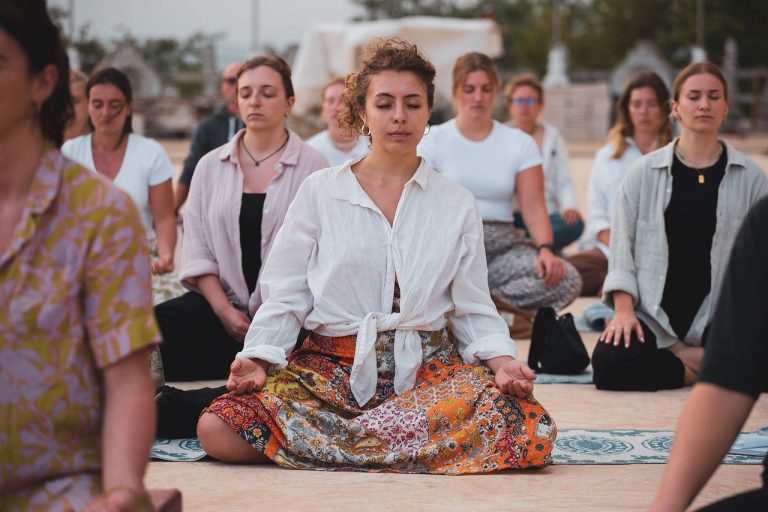
Mindfulness-based relapse prevention (MBRP) is based in the traditional Thai meditation practice called Vipassana. It reduces relapse rates by teaching clients to observe cravings without acting on them (Bowen et al., JAMA Psychiatry, 2014). At One Step, we practice Vipassana and MBRP daily. This isn’t relaxation for the sake of it. Vipassana trains present-moment awareness, which directly helps clients recognise and sit with urges during and after treatment. Chiang Mai’s Buddhist culture means access to authentic teachers and temple-based practice that you won’t find in Western rehab settings.
Thai Massage
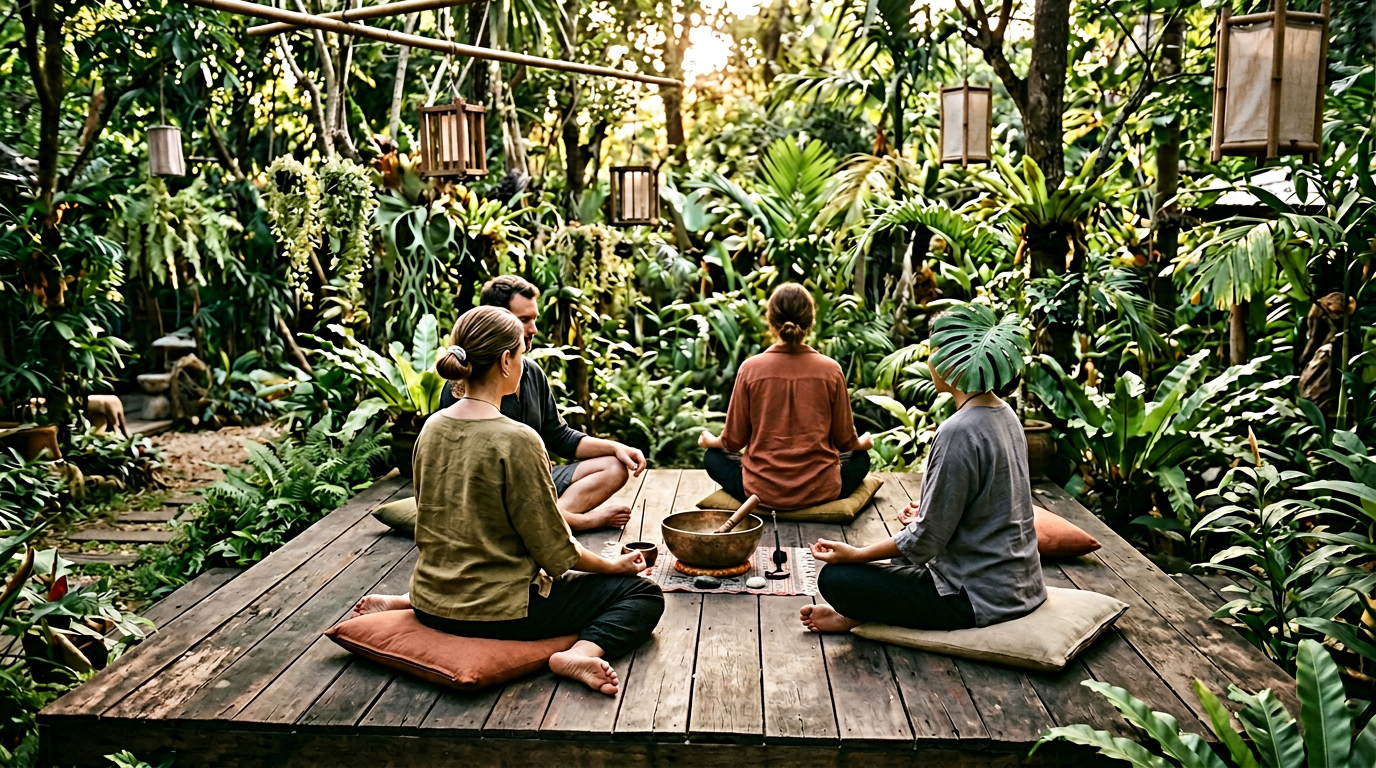
Thai massage works on the body’s energy lines (sen) through compression and stretching. For clients in early recovery, it helps with muscle tension, sleep disturbance, and the physical restlessness common during detox. It’s not a treatment for addiction — it’s a recovery support that reduces physical discomfort so clients can engage more fully with therapy.
Sound Healing
Tibetan singing bowls and gong baths produce low-frequency vibrations that activate the parasympathetic nervous system. We use sound healing sessions to help clients who struggle with anxiety or insomnia — common in the first two weeks of treatment. It’s a calming tool, not a clinical intervention, and it complements rather than replaces structured therapy.

How Does Fitness and Nutrition Support Recovery?
Structured physical exercise restores dopamine receptor function damaged by substance abuse, with research showing aerobic exercise increases dopamine D2 receptor availability in the brain’s reward system (Robertson et al., Neuropsychopharmacology, 2016). At One Step, fitness is a scheduled, non-negotiable part of the programme — not an optional extra clients can skip.
Fitness at One Step
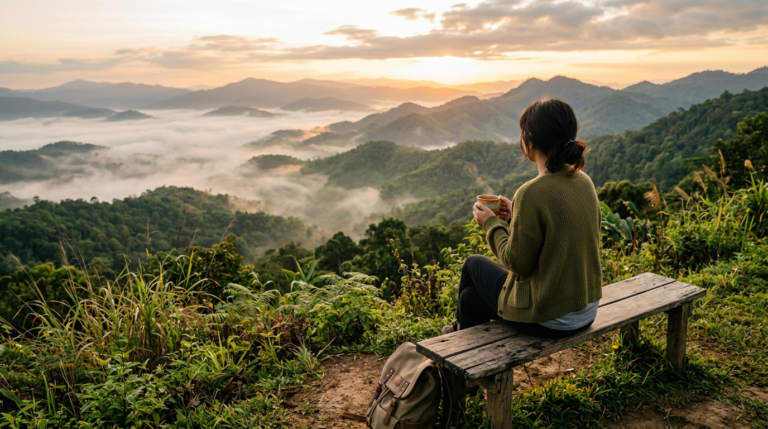
Our weekly schedule includes Muay Thai training, swimming, mountain hiking around Doi Suthep, and gym sessions. Muay Thai is especially useful in early recovery: it demands full-body coordination, builds discipline, and produces a natural endorphin response that helps counter the flat mood (anhedonia) most clients experience in weeks 2–4.
We don’t do gentle stretching classes and call it fitness. Clients train properly — with coaches, at real intensity — because that’s what the brain needs to start producing dopamine naturally again.
Nutritional Therapy
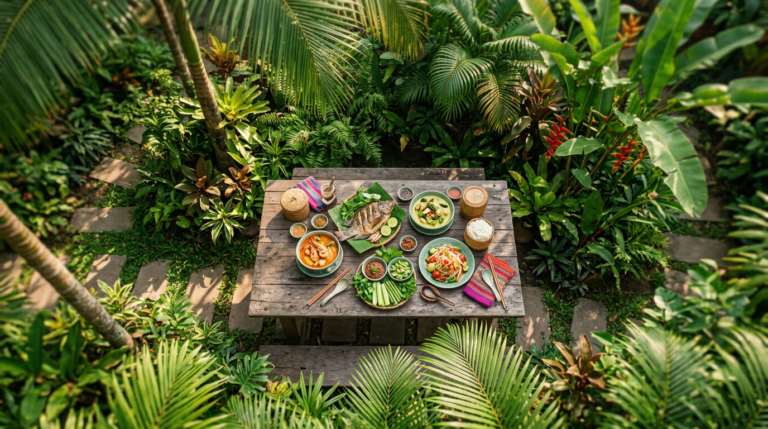
Substance abuse disrupts dopamine and serotonin systems, which rely on the amino acids tyrosine and tryptophan as precursors (Briguglio et al., Nutrients, 2023). Our meal plans are designed around restoring these pathways: high-protein breakfasts, balanced Thai and Western meals, and regular snacking to stabilise blood sugar and reduce cravings. We’ve written separately about our dopamine diet approach and how specific foods support brain chemistry repair during recovery.
How Should You Evaluate a Holistic Rehab?
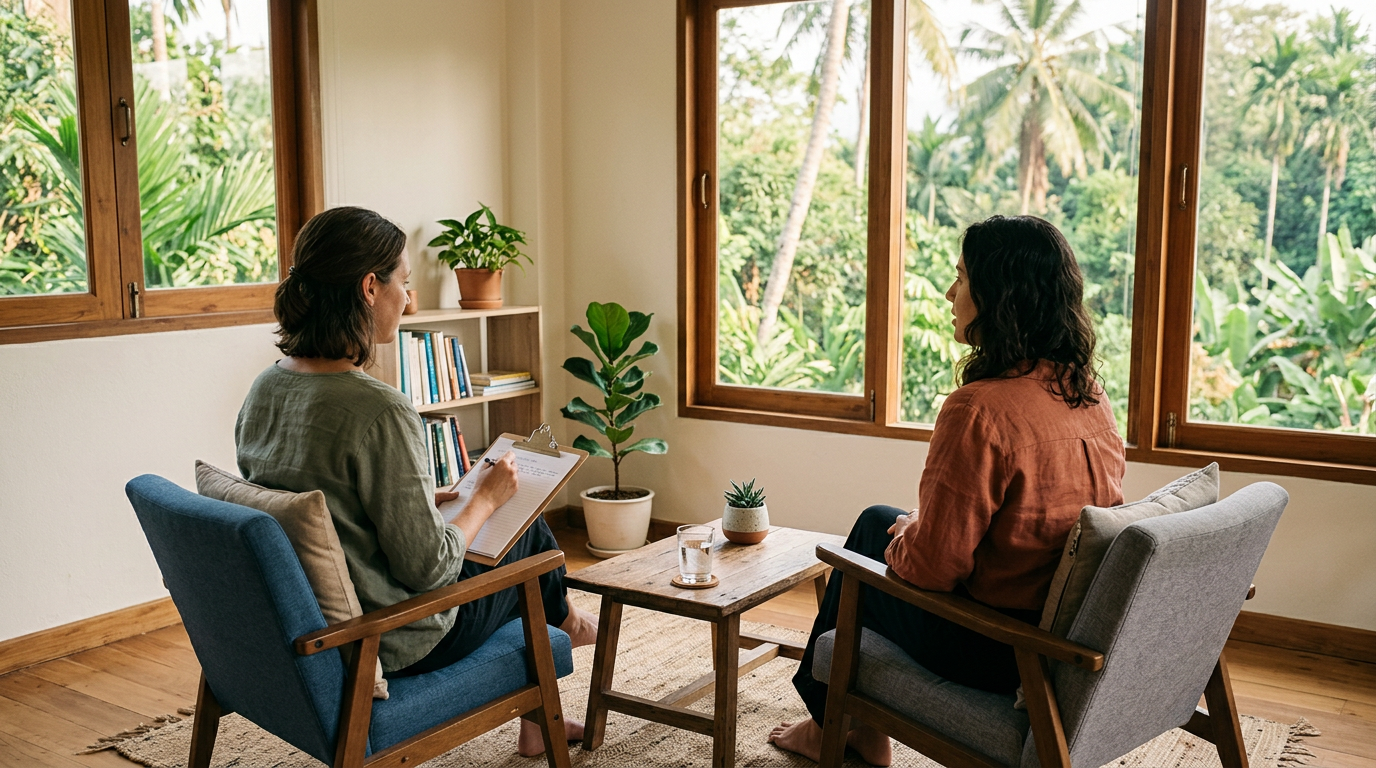
The most reliable way to evaluate whether a holistic rehab is genuine is to ask for its weekly therapy schedule, the qualifications of its clinical staff, and specifically how alternative therapies are integrated with evidence-based treatment. If a facility talks more about wellness amenities than about CBT, trauma therapy, or relapse prevention, the “holistic” label is marketing — not a treatment philosophy.
Ask these questions before choosing any holistic rehab:
- What’s your weekly therapy schedule? You should get a specific answer — hours of group, individual, and alternative therapies per week.
- Who facilitates the alternative therapies? TRE, breathwork, and trauma-informed yoga require trained practitioners, not general wellness staff.
- How does fitness integrate with treatment? Is it scheduled or optional? Supervised or self-directed?
- What does your nutritional programme look like? Specific meal planning for recovery, or just three meals a day?
- What’s the clinical backbone? CBT, motivational interviewing, psychiatric oversight — these must be present. Alternative therapies supplement clinical work; they don’t replace it.
Holistic treatment only works when it’s built on a clinical foundation. We integrate fitness, nutrition, and body-based therapies because the evidence shows they improve outcomes — not because they make good marketing. A client who does Muay Thai in the afternoon and CBT in the morning recovers differently than one who just talks in a room for 28 days. The body and the brain are connected, and treatment should reflect that.
DWDr. Worapakthorn Kongpesalaphun, M.D.Consultant Psychiatrist, One Step Rehab
Red flags
- Heavy emphasis on spa treatments, luxury amenities, or “resort-style healing” with vague therapy details
- No named clinical staff
- Alternative therapies described as the primary treatment rather than a complement to CBT/counselling
- No structured daily schedule available on request
- Claims that meditation or yoga alone can treat addiction
Frequently Asked Questions About Holistic Rehab in Chiang Mai
Common questions about holistic and wellness-based addiction treatment in Thailand.
Standard rehab focuses primarily on talk therapy and medical detox. Holistic rehab integrates physical fitness, nutritional therapy, and body-based practices (meditation, trauma release exercises, breathwork) into a structured clinical programme. At One Step Rehab, holistic components are scheduled daily alongside CBT, group therapy, and individual counselling — they’re part of treatment, not optional wellness extras.
Yes. Holistic approaches are particularly effective for alcohol recovery because alcohol severely depletes dopamine and serotonin pathways. Structured exercise restores dopamine receptor function, nutritional therapy replenishes amino acids needed for neurotransmitter production, and mindfulness-based relapse prevention has been shown to reduce relapse rates compared to standard aftercare alone. Medically supervised detox remains essential for alcohol dependence before holistic therapies begin.
One Step integrates trauma release exercises (TRE), daily Vipassana meditation, breathwork, Thai massage, sound healing, Muay Thai boxing, swimming, hiking, and dopamine-focused nutritional planning. These are structured into the weekly programme alongside CBT-based group therapy, individual counselling, and psychiatric oversight. Every alternative therapy is facilitated by trained practitioners.
Not necessarily. One Step Rehab charges approximately ฿280,000/month (~$8,500 USD) and includes all holistic components — fitness, nutrition, meditation, TRE, and Thai massage — within the programme fee. Some luxury facilities charge $25,000+ for similar offerings packaged with resort amenities. The holistic therapies themselves are not the expensive part; it’s the facility tier that drives pricing.
Most clients at One Step stay 28–60 days. The first week typically focuses on medical stabilisation and detox (if needed), with holistic components introduced gradually as the client’s physical condition allows. The full benefit of fitness, nutritional therapy, and body-based practices usually becomes apparent from week 3 onwards, which is one reason we recommend a minimum 28-day stay.
Yes. Every fitness component is adapted to the individual’s current ability. Most clients arrive in poor physical condition — that’s expected after active addiction. Muay Thai training starts at beginner level with pad work (no sparring), swimming and hiking are paced to ability, and gym sessions are supervised. The goal is progressive improvement, not athletic performance. Many clients are surprised by how much their fitness improves within 4 weeks.
Written by
Alastair Mordey
Alastair Mordey is one of the pioneers of drug and alcohol treatment globally and specifically in Asia. He has been an addiction’s professional for twenty years. He started his career as an expert in substance abuse w...
Learn more about Alastair
Medically reviewed by
Dr. Worapakthorn Kongpesalaphun
Consultant Psychiatrist · Thai Licensed Medical Doctor · Residency in Psychiatry, Somdet Chaopraya Institute · Doctor of Medicine, Rangsit University
Dr. Worapakthorn Kongpesalaphun is a Thai Licensed Medical Doctor and Expert in Preventive Medicine (Community Mental Health) with extensive experience in addiction treatment and public health management. He holds multip...
Learn more about Dr. Worapakthorn